




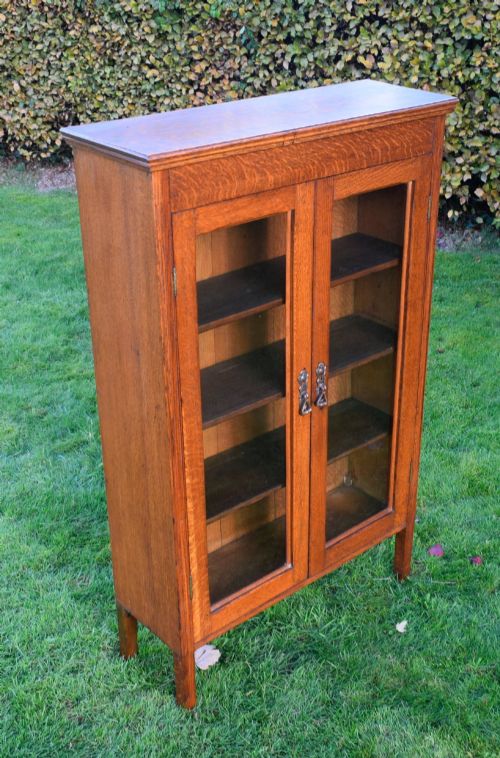
Display Cabinet with Glass
A display cabinet with glass lets you protect and exhibit valued items while adding structure to a room.
Display Cabinet with Glass
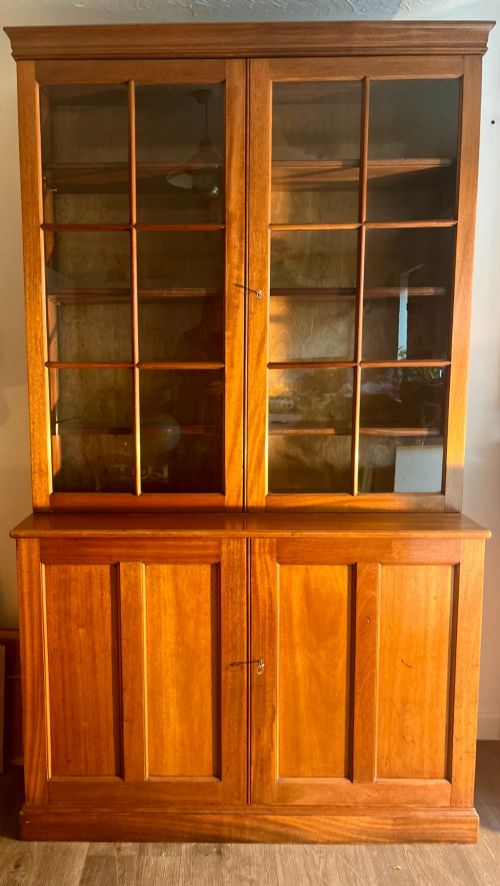
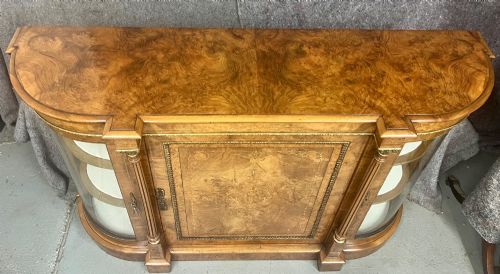
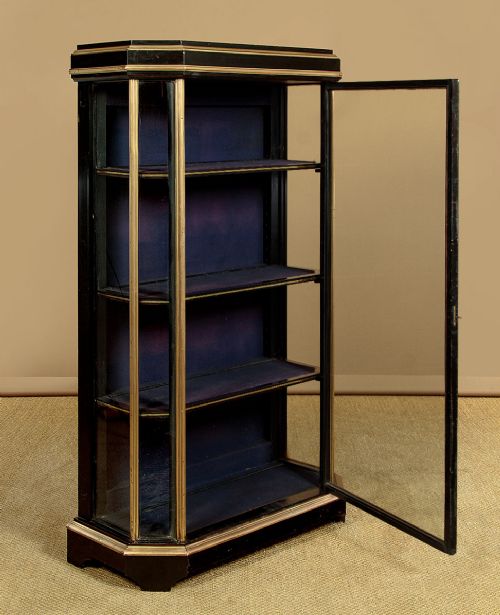
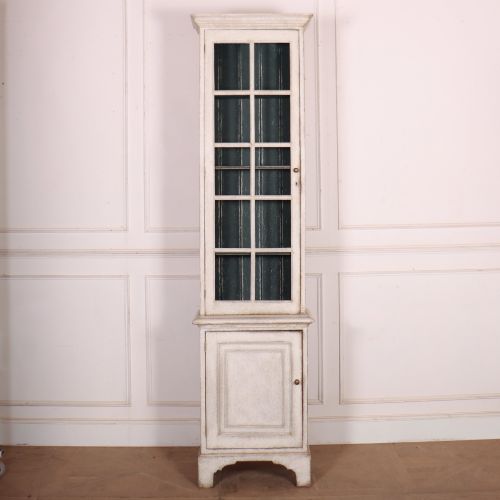
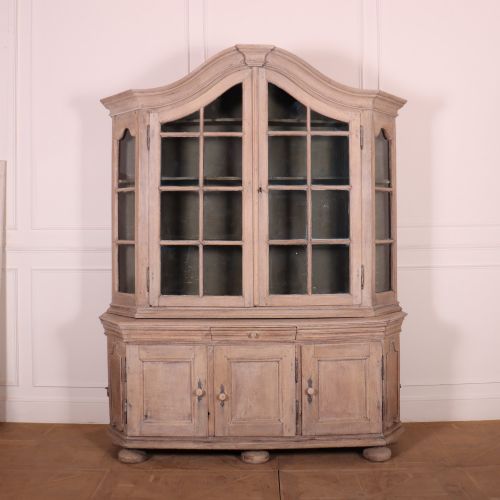
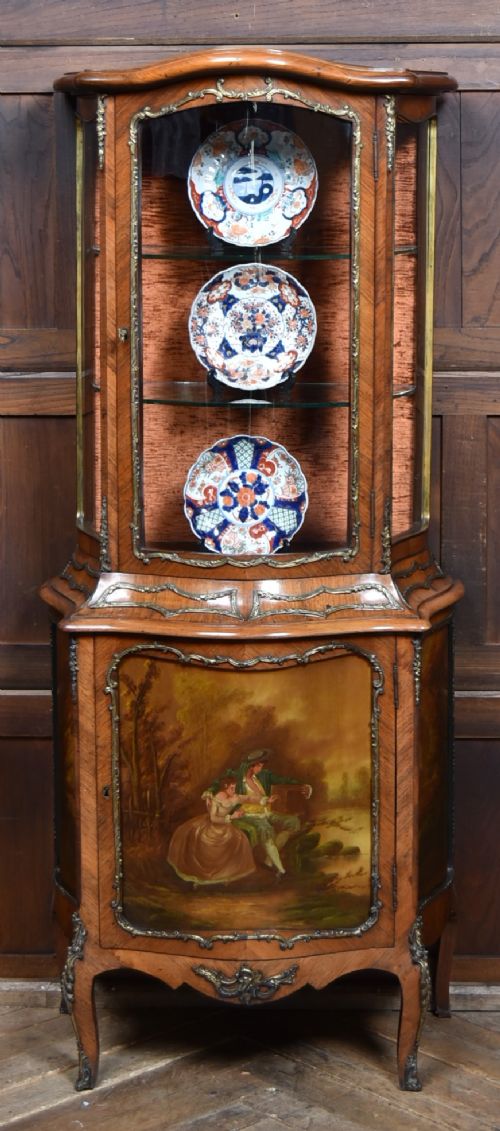
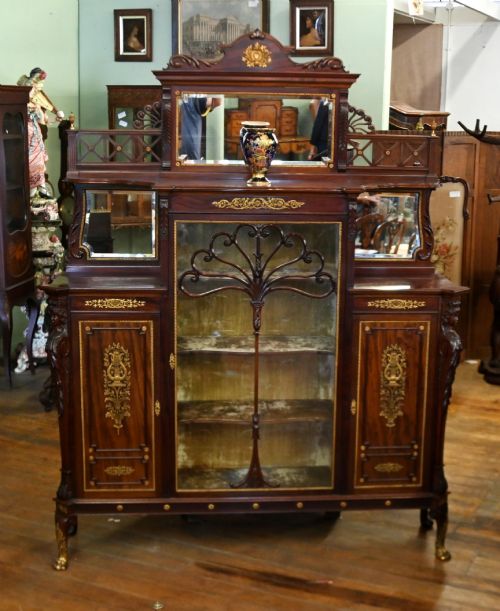
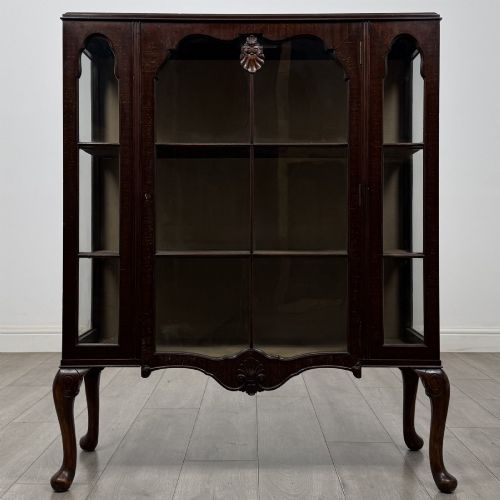
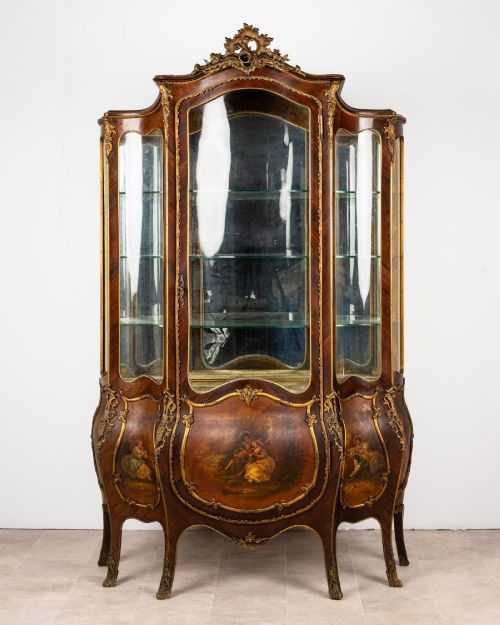
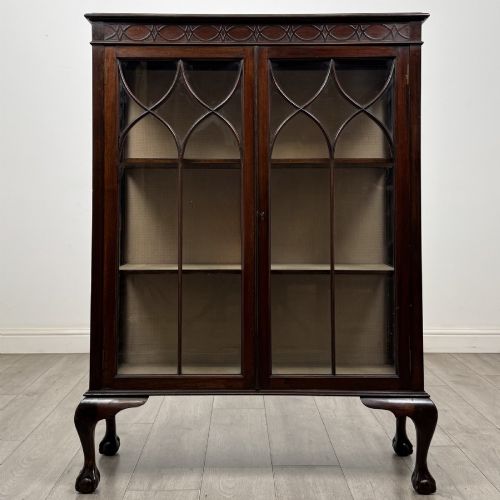
A display cabinet with glass on this page spans forms like tall bookcases, corner cabinets, credenzas, and serpentine vitrines. These pieces range across the nineteenth and early twentieth centuries, including Victorian, Edwardian, and Georgian examples.
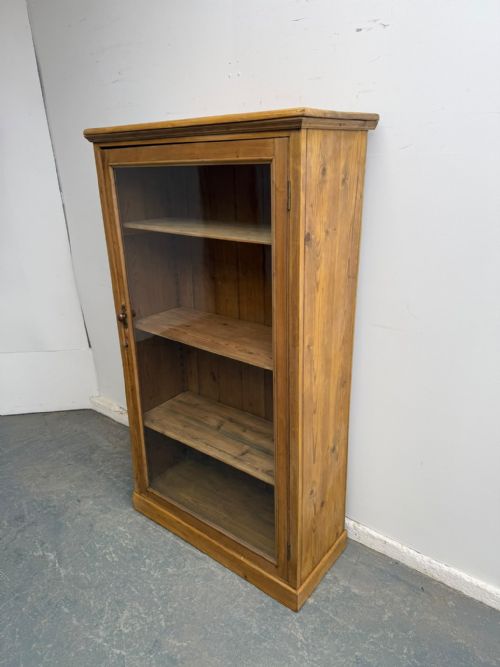
Buyers will find everything from slim oak or pine cupboards to monumental carved oak cabinets and French kingwood pieces mounted in ormolu. Many items combine glazed upper sections with lower drawers or closed storage.
Formats vary from sectional barrister bookcases to elaborate bow-front and breakfront display furniture. The selection draws together various regional British and continental European workshop traditions.
Construction and Materials
Cabinet makers utilised dense hardwoods such as mahogany, oak, walnut, and kingwood, often embellished with burr walnut veneers, satinwood banding, and marquetry inlay. Brass hardware, locks by makers such as Hobbs and Co, and gilt bronze ormolu mounts complete the structural fittings of finer items.
Glazing techniques range from simple leaded or timber-framed glass panes to curved, serpentine, and astral-glazed doors. Marble tops appear on several continental vitrines and credenzas, adding weight and a contrasting surface texture to the timber carcases.
Display Cabinet with Glass Retail Price Guide 2026
Typical asking prices for display cabinet with glass among the pieces listed under this phrase on Sellingantiques today, from the lower quarter to the upper quarter. They describe what is for sale here now, not the wider market.
Several cabinets rely on clever engineering, featuring up-and-over doors or locks stamped by Hobbs and Co to keep curious fingers at bay.
Evaluating Quality
Quality rests in the selection of figured timber veneers, the crispness of hand-carved details, and the precision of marquetry or painted decoration. Superior examples display balanced proportions, original glass panes, and high-specification internal fittings like adjustable shelving.
The integration of decorative metalwork, such as finely chased ormolu mounts and signed mechanical locks, distinguishes standard utility furniture from pieces made by prominent workshops.
Hobbs and Co·Maple and Co·Macey·Maison Gagneau
The Display Cabinet with Glass Glossary
- Ormolu
- Gilt bronze mounts applied to furniture. This decorative technique became common on high-end nineteenth-century French and English cabinets.
- Vitrine
- A glass-fronted cabinet designed specifically for the display of porcelain, curiosities, or small objects. These pieces often feature glass sides to maximise light penetration.
- Credenza
- A low-profile sideboard or cabinet type, frequently fitted with curved glass side cupboards. Victorian examples often incorporate central doors flanked by glazed display compartments.
- Marquetry
- Inlaid patterns formed from different coloured wood veneers applied to a carcase. This technique creates pictorial or geometric surface designs.
- Breakfront
- A cabinet design where the central section projects forward from the flanking wings. This architectural arrangement creates depth and visual variety across large bookcases and display units.
Display Cabinet with Glass: Frequently Asked Questions
What is a display cabinet with glass?
A display cabinet with glass is an item of furniture designed to house and exhibit books, china, or decorative objects behind protective glazed doors.
These pieces use transparent panels to keep dust away from delicate collections while maintaining full visibility from across a room.
Where should I place a vitrine?
A vitrine or glass cabinet suits principal reception rooms, studies, or dining spaces where natural light enhances the displayed contents.
Positioning them away from direct sunlight protects vulnerable organic materials and fabrics stored inside.
How are sectional bookcases used?
Sectional bookcases utilise stackable glazed tiers that allow owners to reconfigure or expand the shelving capacity as needed.
They offer flexible storage for libraries while keeping volumes visible and accessible through up-and-over or sliding glass doors.