
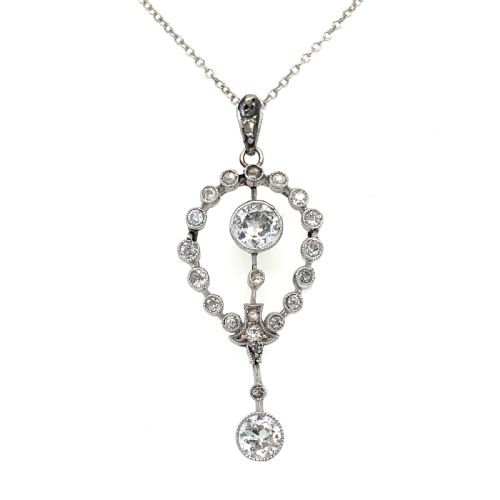
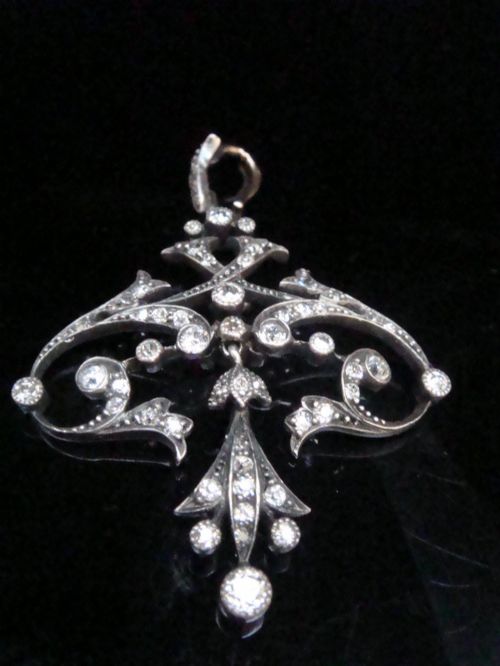
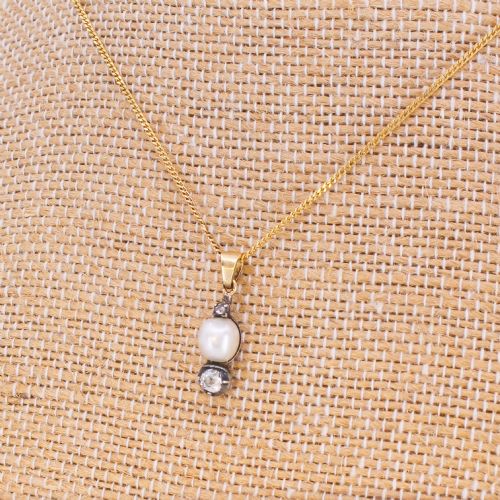
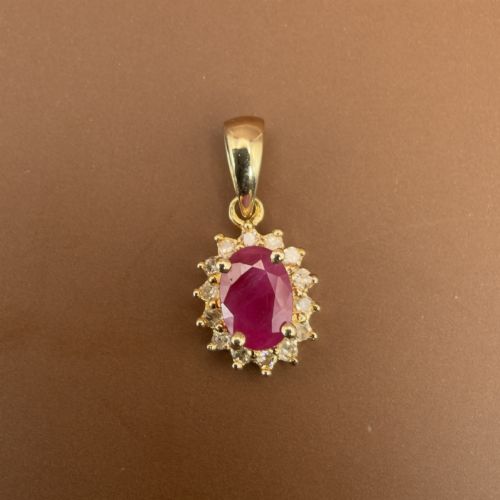


Diamond Pendant Necklace
A diamond pendant necklace suspends brilliance near the heart, ranging from delicate Edwardian clusters to bold Art Deco geometrics.
Diamond Pendant Necklace
A diamond pendant necklace combines suspended gemstones with fine precious metals, historically worn as a focal point of personal adornment. This category spans multiple eras including Victorian, Edwardian, and Art Deco designs alongside mid-century and modern classic interpretations.
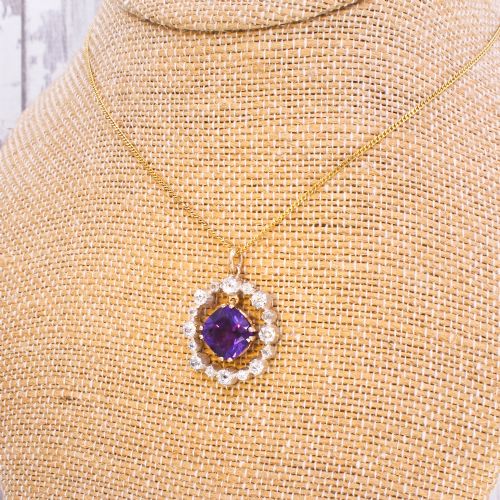
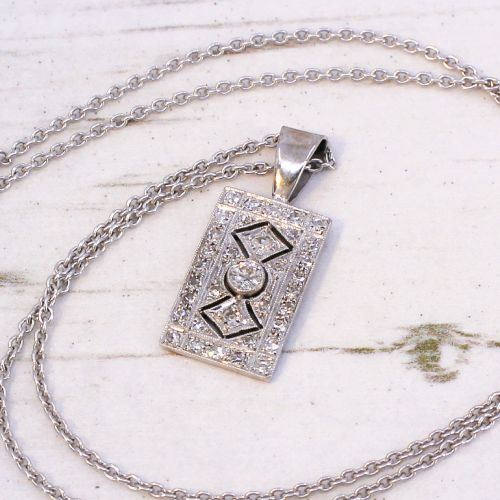
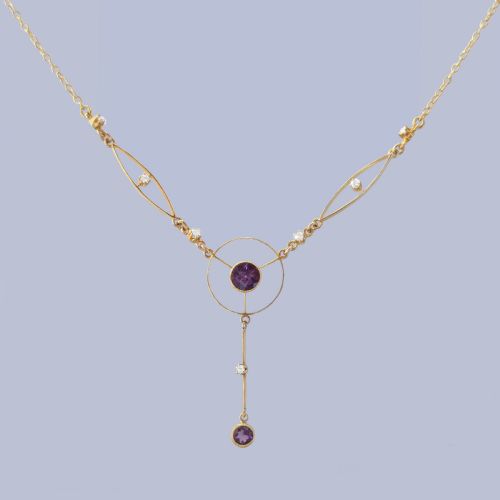
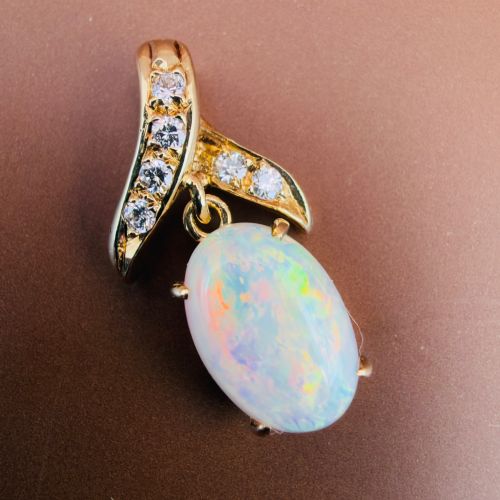
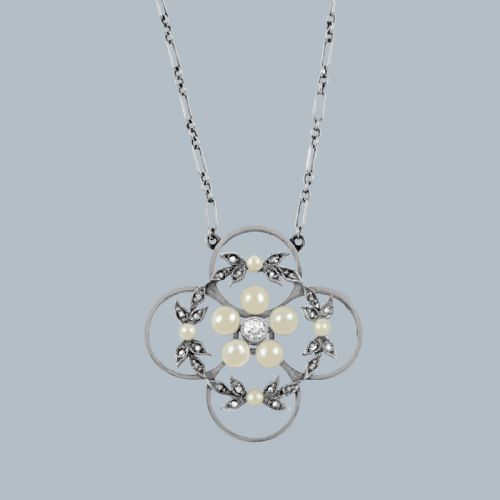
The pieces on this page appear in various configurations such as solitary drops, multi-stone clusters, and intricate lavalier formats incorporating pearls or coloured gems. Formats range from understated platinum settings to substantial gold mountings.
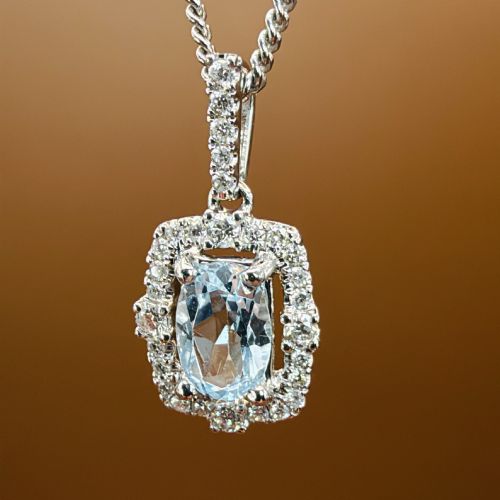
Makers and jewellers across the late nineteenth and twentieth centuries utilised these designs to showcase changing tastes in stone cuts and metalworking techniques. Buyers encounter everything from delicate starburst motifs to dramatic aquamarine and opal centrepieces.
Evaluating Quality
Quality in these necklaces is determined by the purity of the precious metal and the craftsmanship evident in the setting of the stones. Finer examples display precise hand-cut gems and secure, well-balanced mountings that distribute weight evenly along the chain.
The integration of secondary materials like natural pearls or vibrant coloured gemstones also dictates overall standard, with superior pieces maintaining original components and crisp metal detailing without modern alteration.
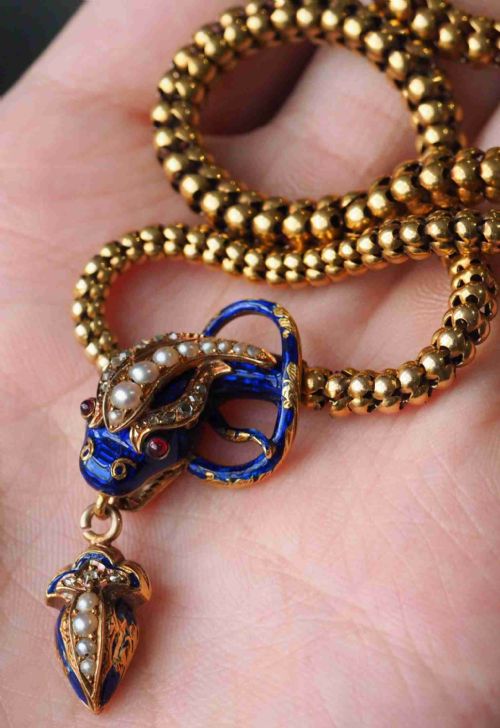
Some Victorian iterations cunningly double as brooches, letting a lady switch her sparkle from bodice to chain before the carriage arrived.
The Diamond Pendant Necklace Glossary
- Lavalier
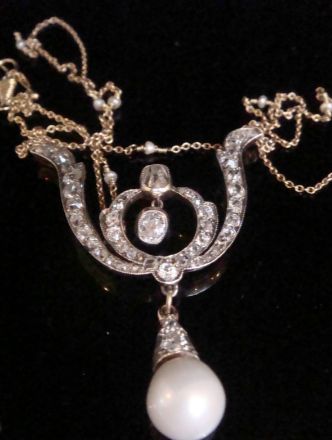
- A pendant necklace featuring a central drop stone or suspended element, popular during the Edwardian era. These pieces often incorporate smaller dangling accents below the main motif.
- Old Cut
- A historic diamond cutting style characterised by a smaller table, higher crown, and larger culet. This cut produces a softer, candlelit sparkle distinct from modern brilliant cuts.
- Cluster
- An arrangement of smaller gemstones clustered tightly around a larger central stone. This technique maximises visual impact and perceived brilliance.
- Platinum
- A dense, durable, and naturally white precious metal widely utilised in Edwardian and Art Deco jewellery. Its strength allowed jewellers to create delicate, lace-like settings.
- Cabochon
- A gemstone shaped and polished with a smooth, rounded surface rather than faceted edges. This cut is frequently applied to opals, garnets, and star sapphires.
Diamond Pendant Necklace: Frequently Asked Questions
How should I wear an antique diamond pendant?
These pieces suit both formal evening wear and elevated daily attire, often suspended on compatible gold or platinum chains. Pairing them with simpler necklines allows the historic metalwork and stone cuts to remain the focal point.
Consider the weight and length of the drop when selecting a chain, as heavier Victorian or Edwardian pendants require sturdier support than minimalist modern solitaires.
How do I care for a vintage diamond necklace?
Maintenance involves gentle cleaning with warm soapy water and a soft brush, avoiding harsh chemical dips that might damage softer accompanying stones like pearls or opals. Periodic checks by a professional jeweller ensure prongs remain secure.
Store each necklace individually in a lined box or pouch to prevent the diamonds from scratching softer metals or adjacent gemstones.
What defines an Edwardian diamond pendant?
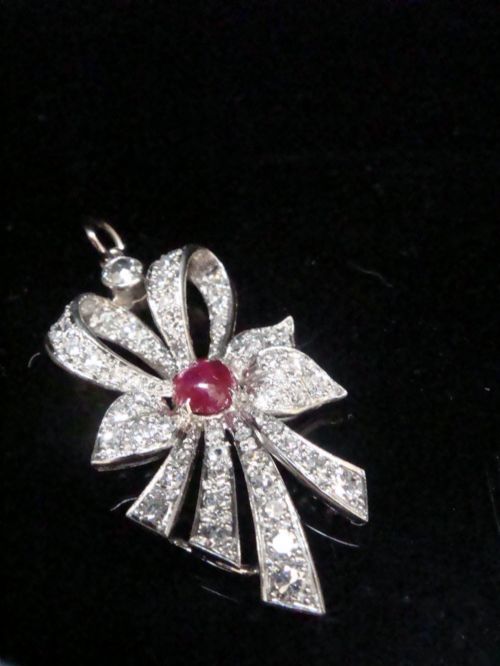
Edwardian pieces typically utilise platinum-topped gold and feature light, airy motifs such as bows, garlands, and drops. The aesthetic draws heavily on lace-making patterns to create an intricate, delicate appearance.
Old-cut diamonds and natural pearls are frequent components of this period, contributing to a romantic and refined overall style.
How can I distinguish Art Deco designs?
Art Deco necklaces display strong geometric lines, symmetry, and high-contrast combinations of diamonds with platinum or white gold. Motifs lean towards abstracts, chevrons, and stylised floral patterns.
These pieces often highlight larger central aquamarines or emeralds flanked by tightly set rows of smaller diamonds.