



Diamond Cluster Brooch
A diamond cluster brooch brings together centred brilliance and historic craftsmanship, offering wearable art from past centuries.
Diamond Cluster Brooch
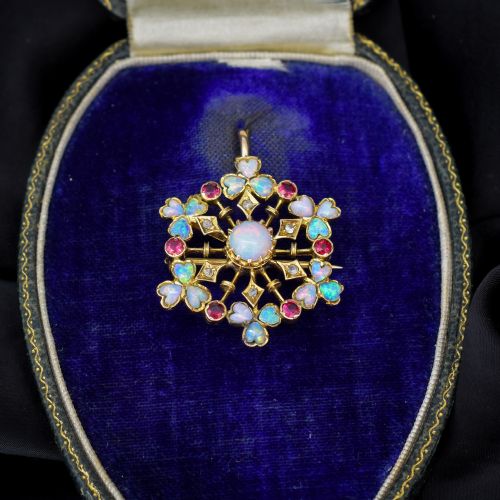
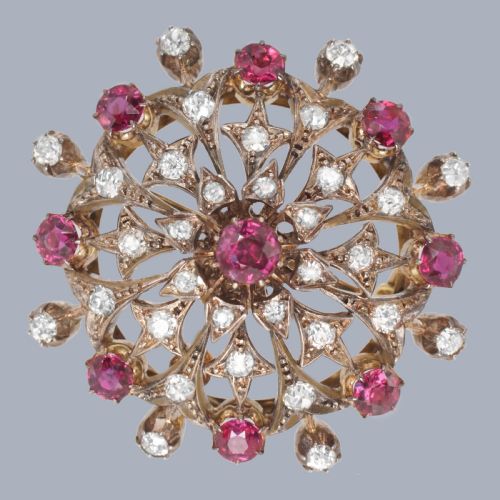
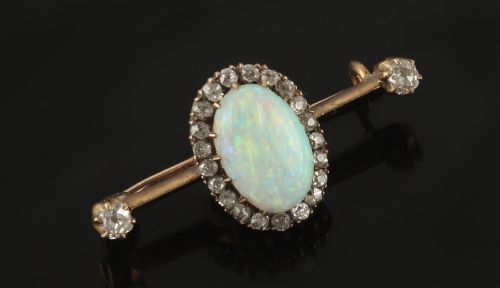
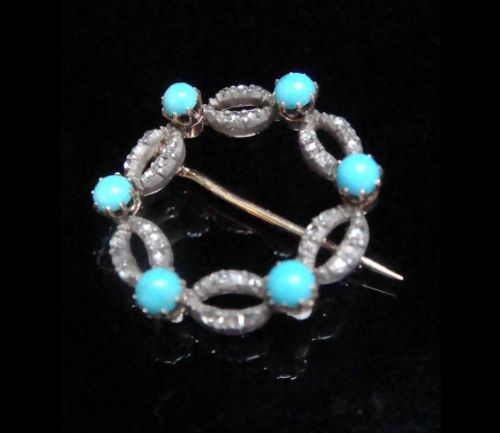
A diamond cluster brooch centres a tight arrangement of stones to catch the light from every angle, forming a compact focal point on lapels and coats. These pieces span Victorian, Edwardian, and Art Deco periods, translating historic fashions into enduring accessories.
Most examples encountered here take the form of floral motifs, geometric shapes, or starbursts designed to function as both brooches and pendants. Makers frequently combined sapphires, rubies, emeralds, or pearls with the central diamonds to add rich colour to the design.
The objects originate across the nineteenth and twentieth centuries, reflecting changing aesthetic preferences from Georgian opulence to mid-century lines. Buyers find both delicate bar brooches and substantial multi-carat platinum or gold mountings among the selection.
Distinctions in Quality
Quality rests upon the matching and proportion of the stones, where uniform colour and clean cutting elevate the overall visual impact. Superior pieces display harmonious integration between the central cluster and the surrounding metal framework.
The fineness of the hand-pierced gallery work and the integrity of the original settings distinguish exceptional examples from simpler production. Preservation of original gem reports and intact fastenings further indicates the care a piece received over generations.
Some brooches double as secret pendants, letting a Victorian lapel ornament moonlight as a necklace charm.
G. Colani
The Diamond Cluster Brooch Glossary
- Cluster brooch
- An ornament featuring a central stone encircled by a ring of smaller gems, creating a dense floral or geometric pattern. This configuration maximises the refractive sparkle visible on clothing.
- Old-cut diamond
- A hand-faceted diamond shape common in antique jewellery prior to modern machine cutting standards. These stones exhibit higher crowns and smaller tables.
- Rose-cut diamond
- A domed gemstone featuring triangular facets that culminate in an apex, lacking a flat pavilion. This cut produces a softer, translucent shimmer compared to brilliant cuts.
- Collet setting
- A metal collar that encircles the edge of a gemstone to hold it securely in the mount. It represents a traditional technique for securing stones in nineteenth-century pieces.
- Pendant brooch
- A versatile item equipped with both a pin fastening and a concealed loop for suspension on a chain. Such convertible pieces served multiple functions in historic wardrobes.
Diamond Cluster Brooch: Frequently Asked Questions
How do I wear a diamond cluster brooch?
Pin the brooch securely to heavy fabrics like wool coats, structured jackets, or thick scarves to support the weight of the gold and platinum settings.
Many pieces feature integrated loops that allow conversion into a pendant hung from a sturdy chain necklace.
What is an old-cut diamond?
Old-cut diamonds are hand-faceted stones shaped before modern standardisation, characterised by smaller tables and deeper pavilions.
These historic cuts catch candlelight and low illumination with a distinctive, warm sparkle unlike contemporary brilliant stones.
How do I date an antique brooch?
Dating relies on observing the metal combinations, such as silver-topped gold common in the nineteenth century, alongside the gemstone cutting style.
Art Deco items display geometric platinum mountings, while Victorian pieces frequently favour yellow gold and natural pearl or ruby accents.
Are these brooches convertible?
Several examples incorporate hidden bails or removable pin stems designed to transform the brooch into a pendant.
This adaptability reflects historic jewellery design, where owners wanted versatile accessories for day and evening wear.