




Devotional Virgin Mary Painting
A devotional virgin mary painting brings centuries of quiet contemplation into a room, offering an intimate glimpse into historical faith and portraiture.
Devotional Virgin Mary Painting
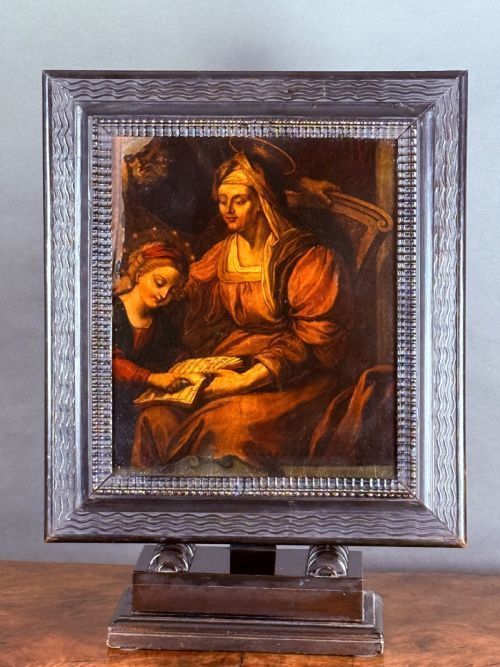
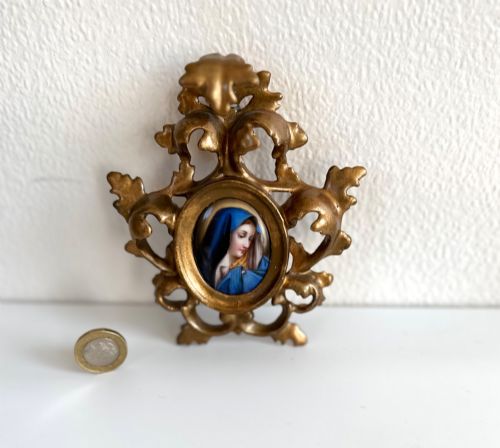
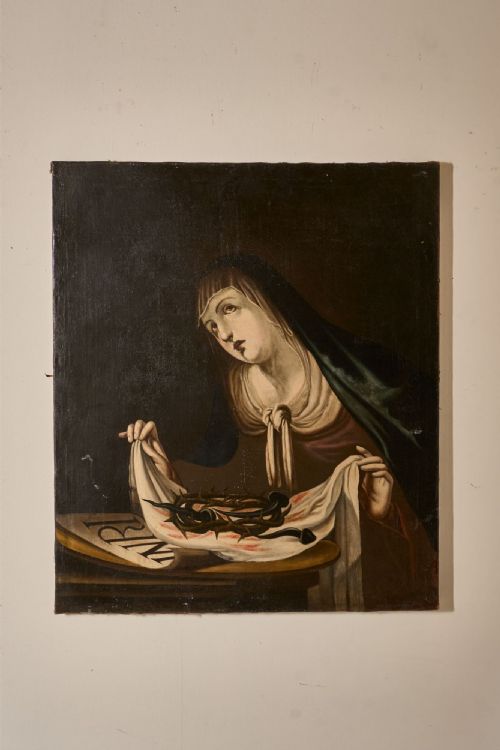
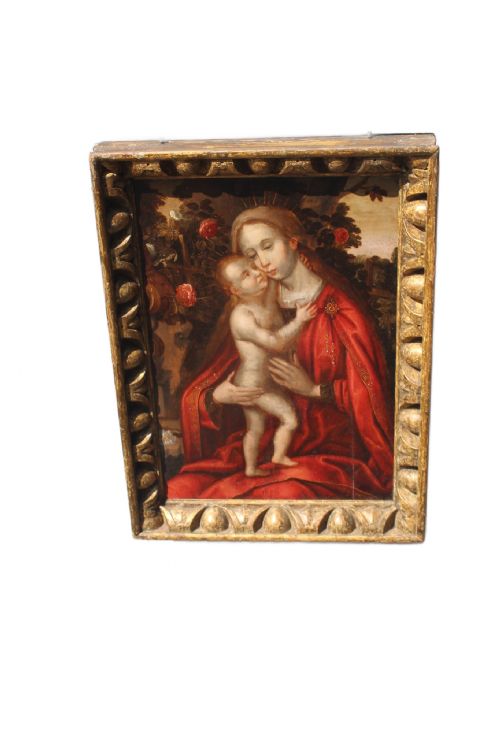
A devotional virgin mary painting encompasses oil on canvas works, reverse glass mezzotints, and miniature portraits spanning several centuries. These pieces range from small domestic panels to larger religious portraits created for private or communal prayer.
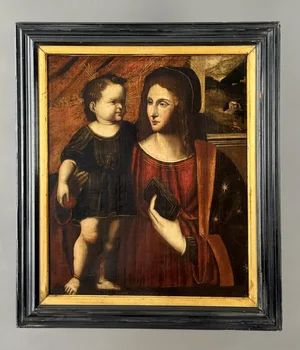
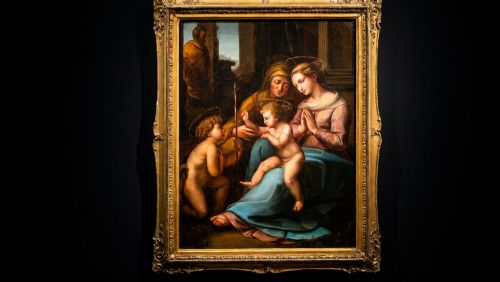
The selections on this page heavily feature works rooted in European traditions, notably Italian Renaissance styles and Spanish schools. Buyers frequently encounter representations of the Madonna and Child alongside depictions of the Holy Family.
Examples stretch from sixteenth-century panels attributed to followers of notable masters up to nineteenth-century Victorian interpretations. Each piece reflects the specific aesthetic and devotional practices of its period of origin.
Materials and Techniques
Artists painted primarily using oil on canvas, fruitwood panel, or prepared glass surfaces, often incorporating rich gold leaf for halos and decorative backgrounds. These traditional supports define the physical structure of early European religious art.
Techniques range from fine miniature portraiture executed on delicate surfaces to bold reverse glass mezzotints and carved wooden plaques. Painters employed layered oil pigments to achieve depth in garments and facial expressions.
Several depictions include observant animals tucked into the background, quietly sharing the sacred space with the Holy Family.
Evaluating Quality and Execution
The integrity of the original material surface, whether fruitwood panel or aged canvas, dictates the longevity and visual impact of the composition. Well-preserved pigment layers and minimal intervention separate museum-grade survivals from heavily repainted examples.
Bernardino Luini·Benvenuto Tisi·Costantino Frixione·Raphael·Raffaello Sanzio Da Urbino·Juan Ruiz Soriano·Ambrious Benson
The Devotional Virgin Mary Painting Glossary
- Reverse glass painting
- A technique where the artist paints directly onto the reverse side of a glass sheet so the image is viewed through the front. This method creates a luminous, glossy finish unique to specific eighteenth-century regional workshops.
- Mezzotint
- A printmaking process of the intaglio family where the plate is roughened to achieve rich tonal gradations. It allows for subtle light and shadow effects in devotional prints.
- Old Master follower
- An artist working in the style, or directly copying the compositions, of a renowned historical master. These painters often adapted established religious motifs for contemporary patrons.
- Oklad
- A metal cover or revetment placed over a painted icon to protect the surface while leaving the faces and hands visible. Typically fashioned from brass or precious metals, it adds sculptural depth to flat icon panels.
- Ex-voto
- A votive offering presented to a saint or divinity in fulfillment of a vow. In painting, these works record acts of gratitude for miraculous deliverance or protection.
Devotional Virgin Mary Painting: Frequently Asked Questions
How do I date an antique religious painting?
Dating relies heavily on examining the material support, such as hand-woven canvas types or early fruitwood panels, alongside stylistic cues from the frame and paint pigments. Comparing the brushwork and subject treatment to known period examples helps narrow down the decade of creation.
Secondary indicators include inscriptions on the reverse, historical labels, or the specific formulation of the gesso ground beneath the oil paint. Expert consultation often confirms regional workshop practices characteristic of centuries past.
What is a reverse glass painting?
A reverse glass painting is created by applying pigments directly onto the back of a glass sheet, meaning the artist paints the foreground details first and the background last. When viewed from the front, the glass protects the paint layer while imparting a distinct sheen.
This technique required immense skill because mistakes could not be easily corrected once applied to the transparent surface. Such works were popular for domestic shrines and devotional rooms during the eighteenth century.
How were these paintings used originally?
Devotional paintings served as focal points for private prayer and meditation within homes, small chapels, and convents. Owners used them to cultivate personal spiritual reflection and to commemorate sacred narratives.
Smaller formats like miniature portraits allowed individuals to carry or keep personal reminders of faith close at hand during travel. Larger altar pieces and wall art anchored communal worship spaces.
What does circle of an artist mean?
The term circle of denotes an artist who worked in close association with a master, sharing workshop practices, techniques, and stylistic traits. These painters were directly influenced by the master's studio output without necessarily being the primary hand behind every brushstroke.
Works from a master's circle capture the aesthetic standards and compositional formulas of the original creator. They offer collectors high-level execution closely tied to renowned historical artistic traditions.