





Desk with Slides
These desk with slides pieces are functional works of cabinetmaking that pull out to expand your workspace when you need it.
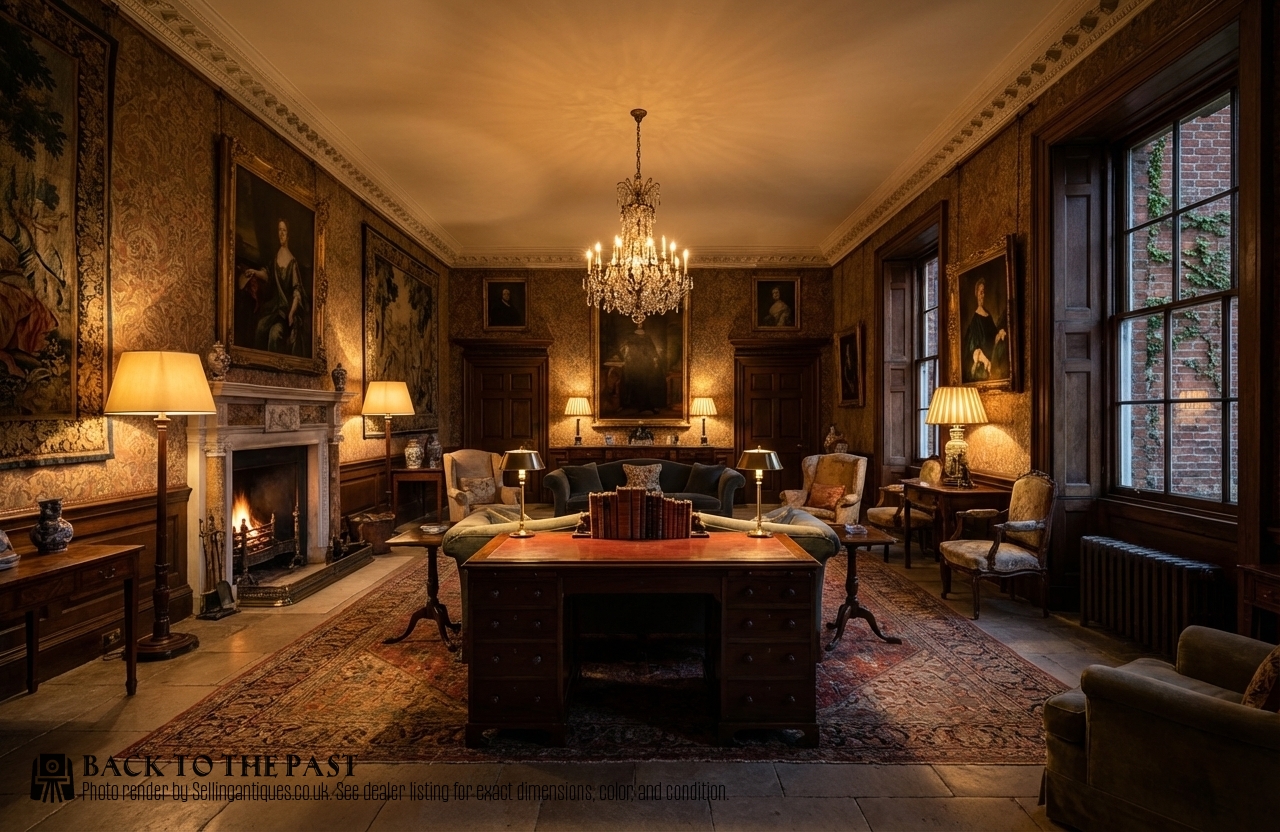
Desk with Slides
A desk with slides is a traditional workspace featuring extendable boards or pull-out surfaces alongside or above the main writing area. These practical surfaces give you extra room for papers and ink without enlarging the permanent footprint of the furniture.
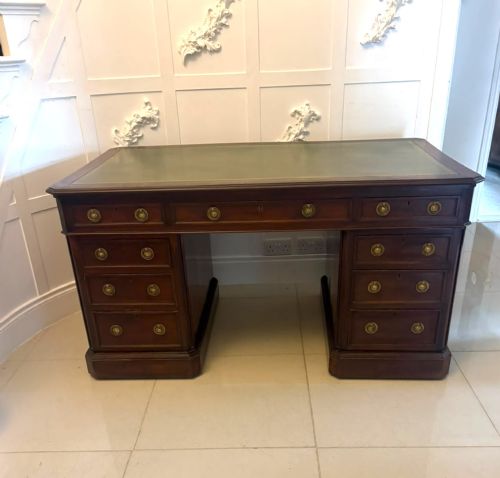
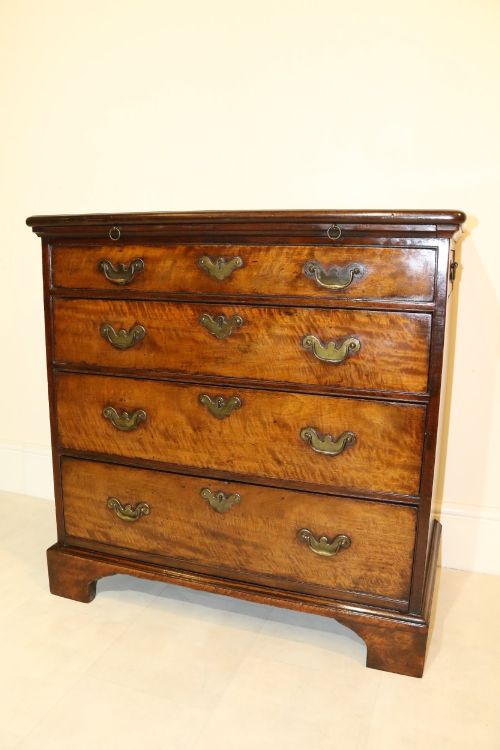
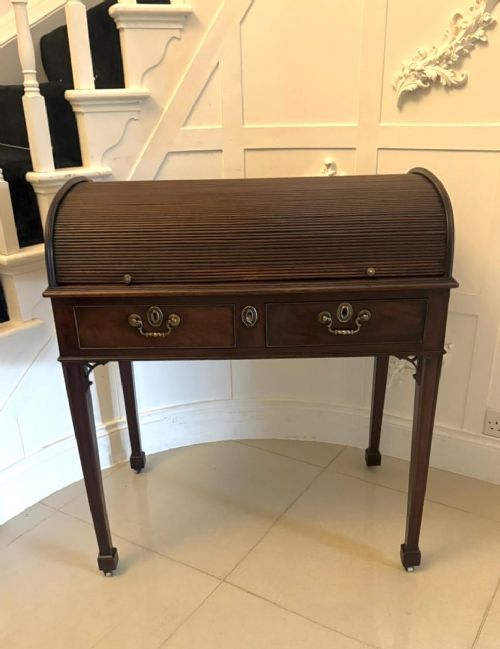
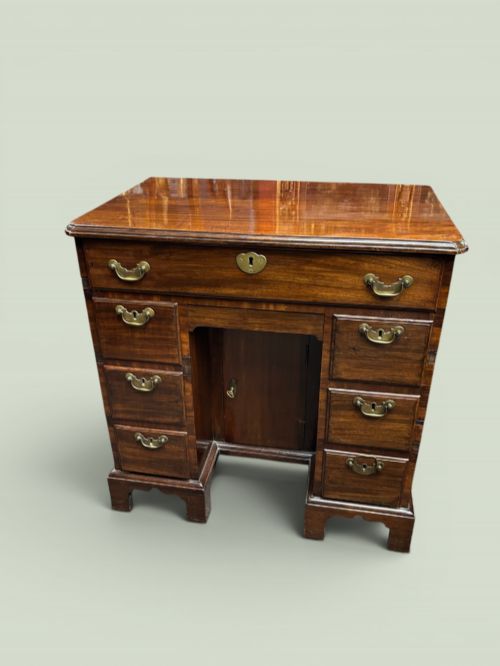
You will most frequently meet mahogany examples from the Georgian and Victorian periods on this page, often built as kneehole desks, bachelor chests, or writing tables. Cabinetmakers designed these versatile forms for private studies, bedrooms, and libraries.
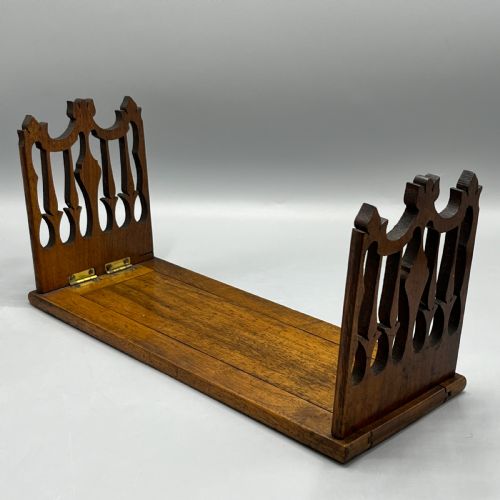
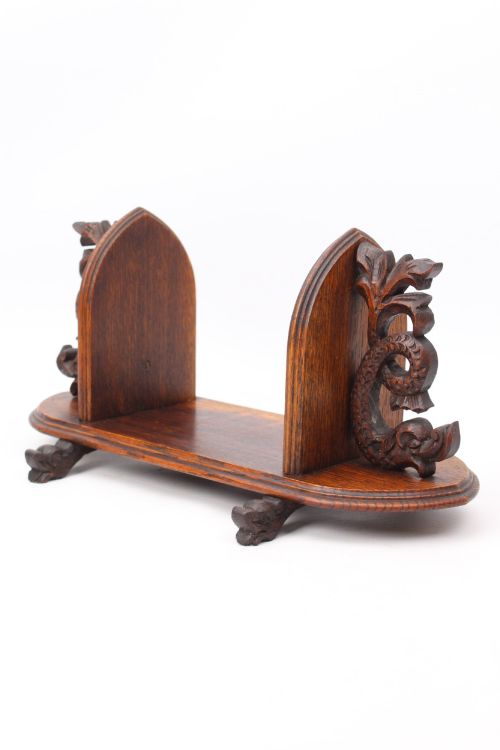
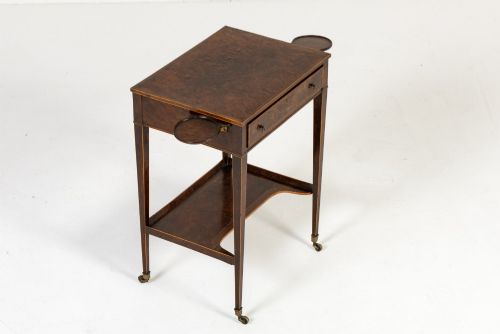
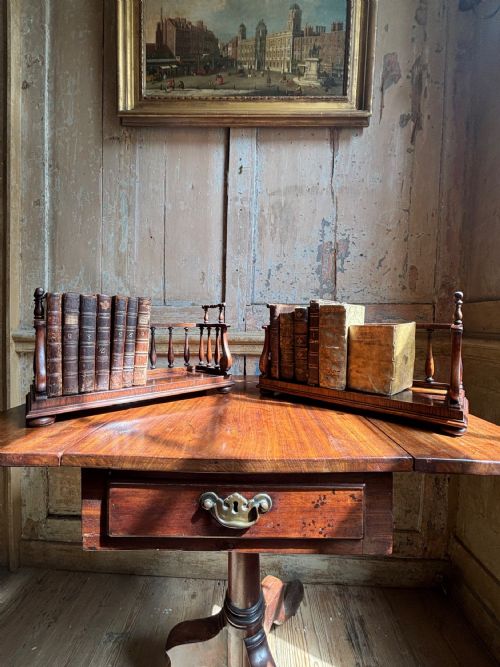
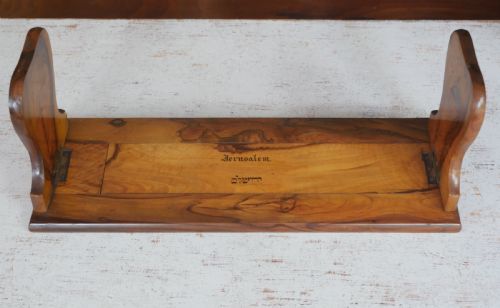
The evidence shows forms ranging from small writing tables and lowboys to large pedestal desks and davenports. Alongside traditional desks, you will also encounter occasional tables, commode chests, and book slides that incorporate the same sliding mechanism.
How they were made
Makers constructed these pieces primarily in solid mahogany and walnut, occasionally selecting rosewood or oak for specific styles. They frequently incorporated secondary woods for drawer linings and internal framing.
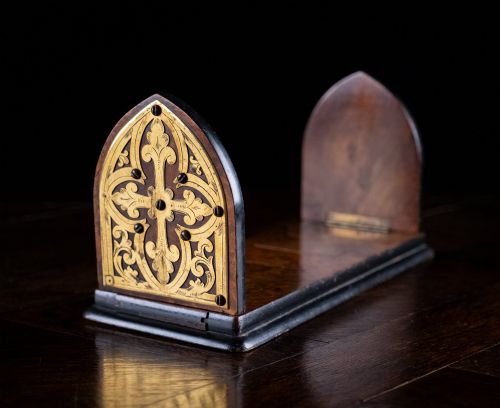
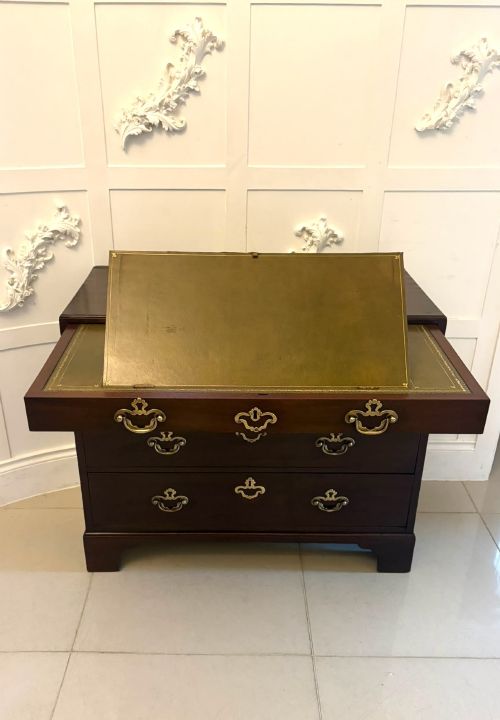
Working surfaces often feature inset panels of leather or baize to provide a smooth writing texture. Brass fittings appear regularly as drawer pulls, mounts, and structural hardware, while porcelain plaques occasionally ornament the library book slides.
Desk with Slides Retail Price Guide 2026
Typical asking prices for desk with slides among the pieces listed under this phrase on Sellingantiques today, from the lower quarter to the upper quarter. They describe what is for sale here now, not the wider market.
Listings feature mahogany, walnut, rosewood, and oak pieces spanning the Georgian, Regency, Victorian, and Edwardian periods.
What varies in quality
The calibre of timber selection and cabinetmaking distinguishes standard examples from exceptional ones. Finer pieces display carefully matched grain patterns across the primary surfaces and seamless integration of the sliding mechanisms.
Details such as finely painted porcelain plaques, brass mounts, and the complexity of fitted interiors elevate certain items above simpler utility pieces. The precision of the joinery determines how smoothly the slides operate after decades of use.
The Desk with Slides Glossary
- Slide
- A pull-out board integrated into the furniture frame to provide temporary extra surface area. These components glide smoothly on wooden runners housed beneath the main top or drawer section.
- Kneehole desk
- A writing table featuring a central recess for the user's legs, flanked by pedestals of small drawers. This form became particularly popular during the eighteenth and nineteenth centuries.
- Bachelor's chest
- A compact chest of drawers equipped with a fold-over top or a pull-out slide specifically designed for writing. They originated to serve the needs of single gentlemen living in smaller lodgings.
- Davenport
- A small, compact writing desk featuring a sloped, hinged writing surface and drawers opening to the side. The top section often incorporates a sliding mechanism or a stationary compartment.
- Lowboy
- A small table with one or more rows of drawers beneath the work surface, standing on relatively tall legs. Eighteenth-century cabinetmakers frequently built these for dressing or light writing.
Desk with Slides: Frequently Asked Questions
What is a desk with slides?
A desk with slides is a piece of antique furniture that incorporates pull-out boards or extensions to provide extra surface space. These boards pull out from the sides or beneath the main writing area.
Cabinetmakers designed these sliding extensions so users could hold papers, inkwells, or books without cluttering the primary writing surface. Once finished, the slides push neatly back into the frame.
How were writing slides used?
Writing slides served as temporary extensions for paperwork, correspondence, or holding reference materials while working at the desk. Owners pulled them out when seating themselves to write and pushed them away when closing up the room.
In bedroom chests and bachelor pieces, they provided a convenient writing ledge where full-sized tables would not fit. This dual-purpose design maximised utility in domestic spaces.
Which woods are most common?
Mahogany is the predominant wood seen across these listings, appearing in pieces from the Georgian, Victorian, and Edwardian eras. Walnut and rosewood also appear frequently in specific desk and davenport forms.
Earlier pieces rely heavily on solid mahogany construction, while later Victorian items sometimes incorporate burr walnut veneers. Oak appears occasionally in specific pedestal and library desk forms.
How do I care for leather slides?
Leather and baize inserts on writing slides require gentle cleaning with a soft, dry cloth to prevent dust accumulation. Avoid using harsh chemical cleaners or excess moisture that could damage the aged hide or surrounding wood.
Conditioning the leather occasionally with appropriate specialist balms helps maintain flexibility. Keep these pieces away from direct sunlight and radiators to prevent the wood and leather from drying out.