
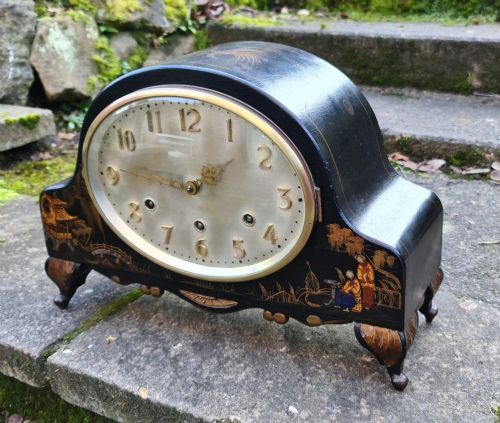
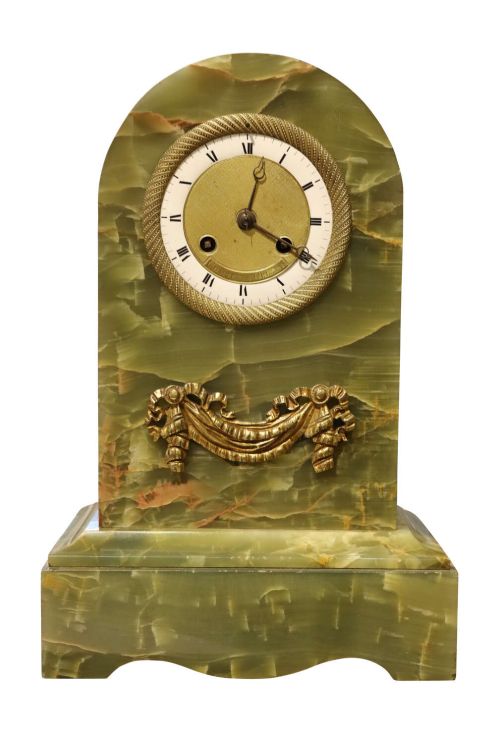
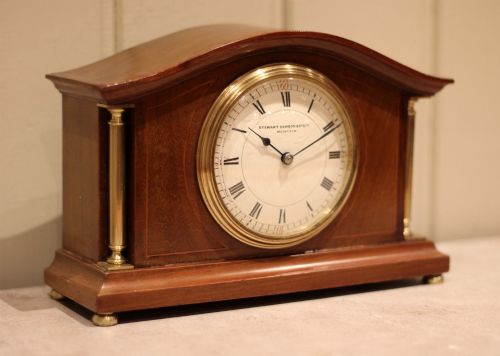
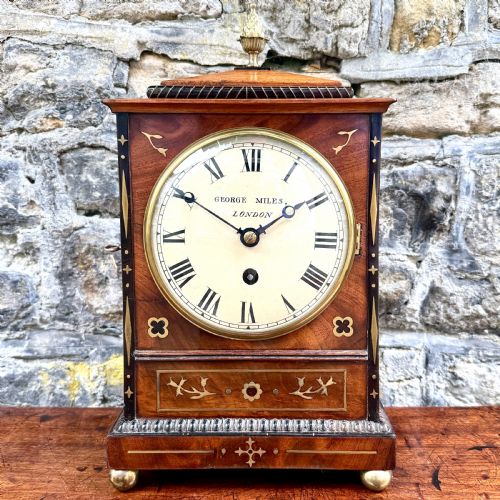
Desk Timepiece Clock
A desk timepiece clock brings mechanical precision and period character to a tabletop, offering a practical way to anchor a room.
Desk Timepiece Clock
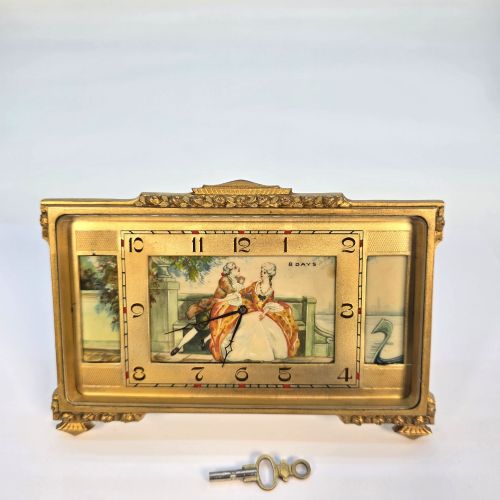
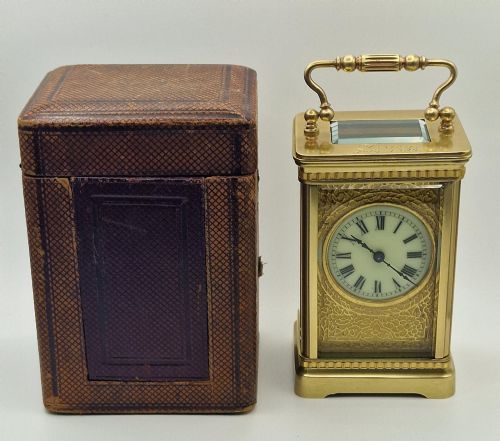
A desk timepiece clock is a portable or table-standing instrument designed to tell the hours without striking functions, appearing frequently in brass, mahogany, and glass forms across this selection. Buyers find pieces ranging from compact carriage designs intended for travel to larger mantel and library formats suited for permanent placement on a flat surface.
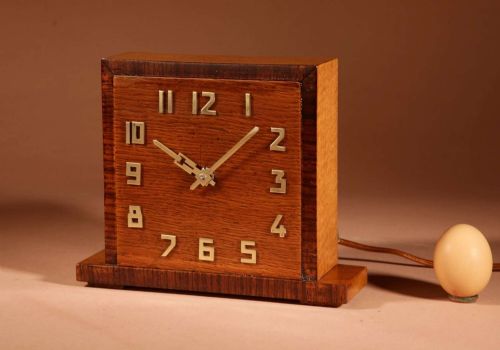
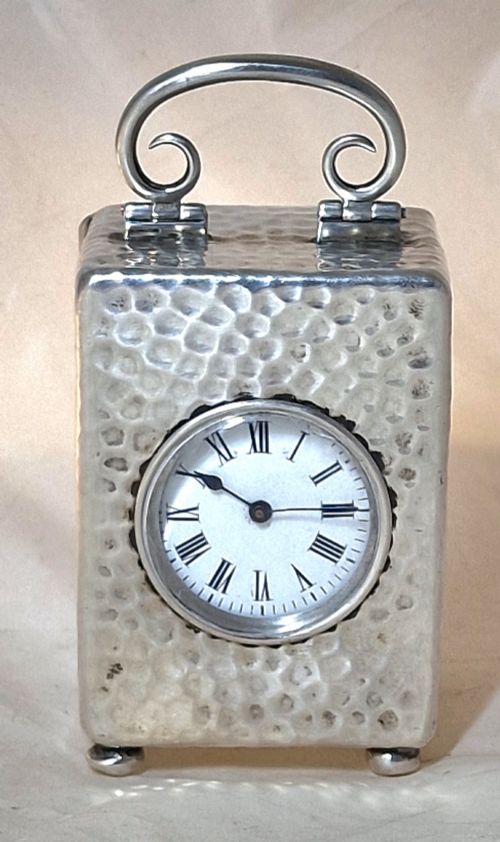
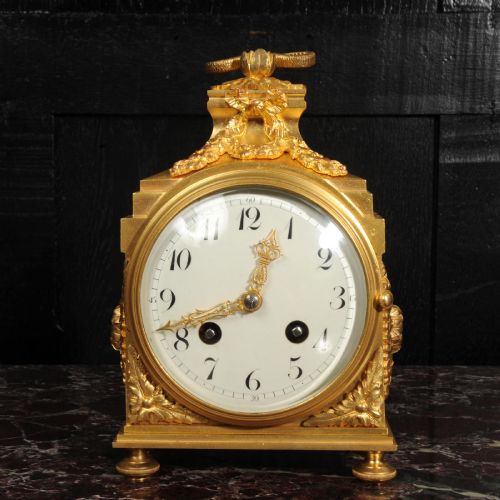
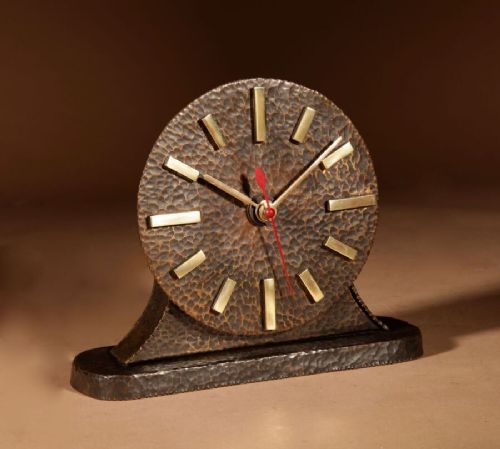
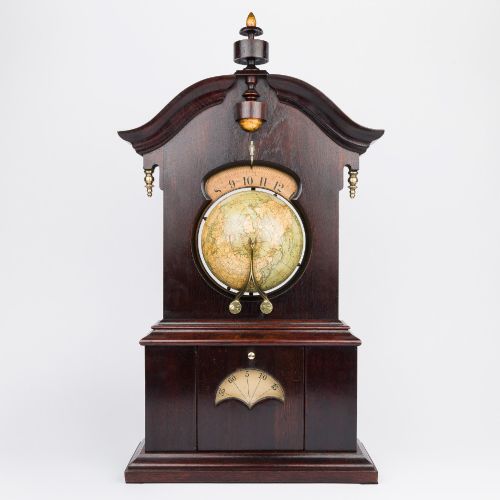
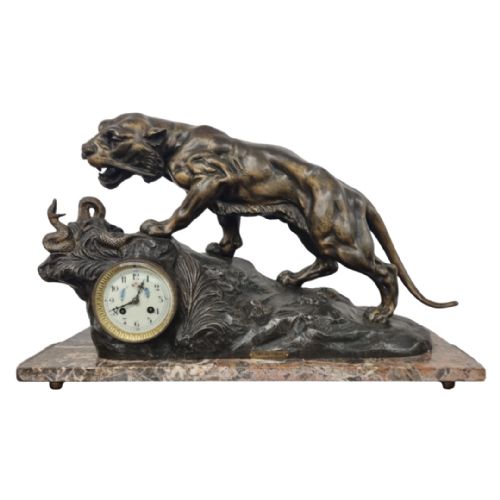
The objects span multiple centuries and design movements, encompassing Regency libraries, Victorian skeletons, Edwardian silver cases, and geometric Art Deco units. French empire influences and Amsterdam School interpretations also surface, demonstrating how makers adapted the form to changing aesthetic preferences.
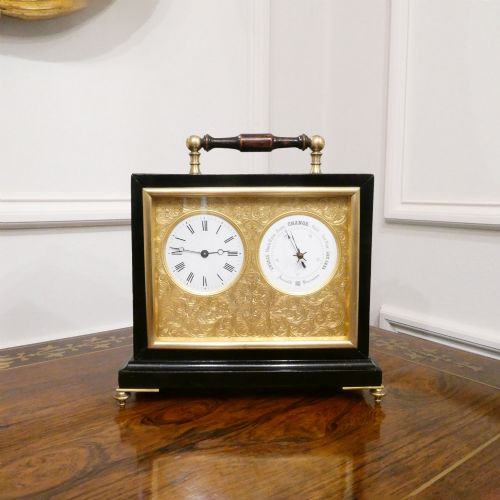
Most examples function as standalone timekeepers driven by mechanical movements, spring-wound mechanisms, or early electrical systems. Their configurations vary from simple dials housed in wood to elaborate architectural cases featuring enamel details and precious metal mounts.
Materials and construction
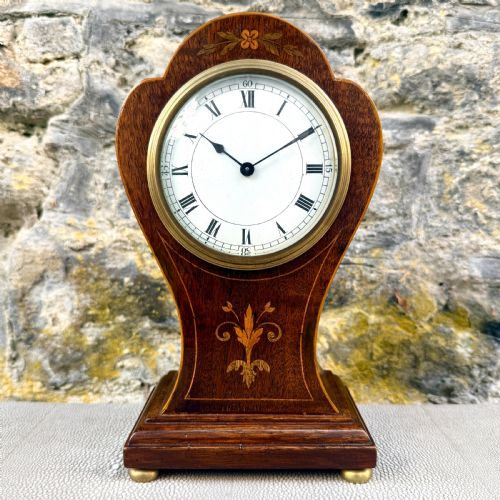
Construction relies heavily on durable metals like brass, bronze, ormolu, and chrome combined with timber housings such as mahogany, rosewood, and oak. Glass panels frequently protect delicate dials or enclose skeleton movements, while specialised finishes include silver hallmarking, pewter, and patinated brass.
Movements require precision engineering, utilising Swiss or French mechanisms alongside movements by specialised clockmakers housed securely within heavy cases. Enamel, porcelain, and bakelite provide contrasting textures for the dial faces and bezels.
Materials in this selection include brass, glass, enamel, mahogany, gilt bronze, ormolu, chrome, and leather.
Assessing quality and execution
Quality rests upon the fineness of the metal casting, the crispness of the case carving, and the complexity of the internal movement. Superior examples exhibit refined proportions, hand-finished mounts, and integrated materials such as inset green onyx or marble.
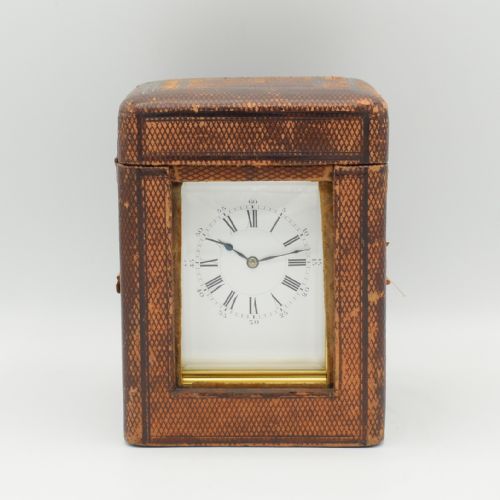
The reputation of the maker and the integrity of the original components heavily dictate the standing of a piece. Original travel cases, fully serviced movements, and intact enamel dials distinguish higher-tier pieces from simpler utilitarian timekeepers.
Henri Jacot·Mappin and Webb·Walker and Hall·R Lalique·Liberty and Co·Smiths Clockmakers
The Desk Timepiece Clock Glossary
- Carriage clock
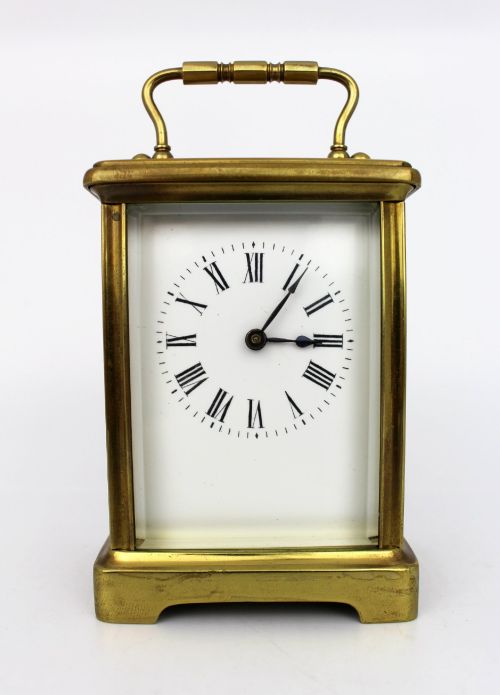
- A small, portable spring-driven timepiece originally designed for travel, typically fitted with a carrying handle and glass panels to view the movement. They often feature brass framing and white enamel dials.
- Skeleton clock
- A timepiece designed with an open framework that exposes the gear train and escapement to view. This style emphasises the intricate mechanics rather than hiding them behind a solid dial plate.
- Ormolu
- Gilt bronze produced by applying a finely ground high-carat gold-mercury amalgam to a bronze object. The technique creates a rich golden finish characteristic of French decorative arts.
- Timepiece
- A clock that measures and indicates the passage of time without a striking mechanism or chiming train. It is dedicated solely to showing the hour and minute.
Desk Timepiece Clock: Frequently Asked Questions
What is a desk timepiece clock?
A desk timepiece clock is a portable or tabletop horological instrument designed solely to display the time without chiming or striking mechanisms.
These pieces range from compact brass carriage clocks intended for travel to substantial wooden library and mantel timepieces meant for stationary use.
How do I wind a mechanical desk clock?
Mechanical desk clocks require a key or an attached winding mechanism to tension the mainspring depending on whether they are thirty-hour or eight-day models.
Care must be taken not to overwind the movement, stopping firmly when resistance increases to protect the internal brass gears.
Where should I place a desk clock?
A desk timepiece clock sits well on flat, stable surfaces such as a writing desk, library mantel, side table, or office shelf where it remains visible and secure.
Placement should avoid areas subject to excessive vibrations, direct sunlight, or heavy moisture that could warp wooden cases or compromise delicate metal movements.
How do I identify the period of a desk clock?
Dating relies on examining the case style, materials, architectural motifs, and any maker signatures or hallmarks stamped onto the metal or movement.
Art Deco pieces display geometric lines and materials like bakelite or chrome, while Victorian and Regency examples lean towards heavy carved mahogany, brass mounts, and traditional enamel dials.