


Demetre Chiparus Statue
A demetre chiparus statue captures the peak of Art Deco elegance through dynamic dancer figures in bronze and ivory.
Demetre Chiparus Statue
A demetre chiparus statue represents the height of Art Deco sculpture from the early twentieth century, typically portraying dancers and graceful female figures. Collectors encounter both original works and later interpretations shaped by the distinct aesthetic of the nineteen-twenties and nineteen-thirties.
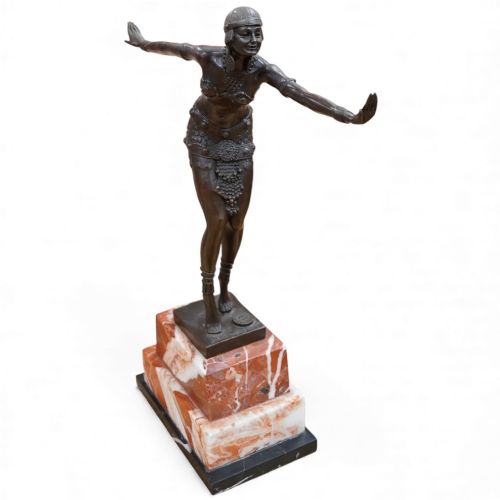
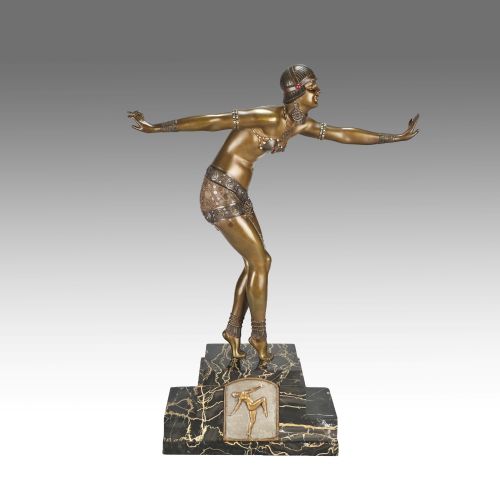
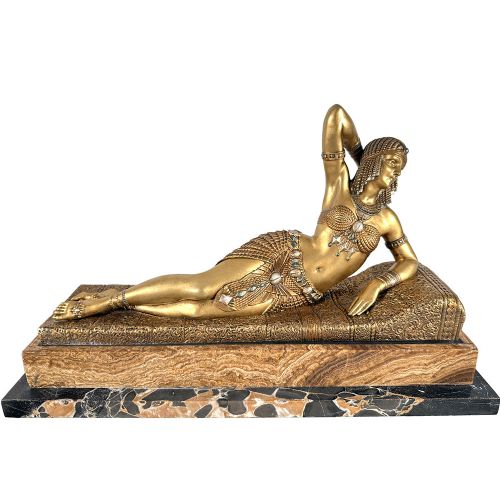
The subjects draw heavily on the glamour of the theatre, ballet and Egyptian revival themes, capturing fluid movement in static metal and stone. These sculptures frequently feature named titles such as Phoenician Dancer, Starfish Dancer and Cleopatra, reflecting the cultural fascinations of the period.
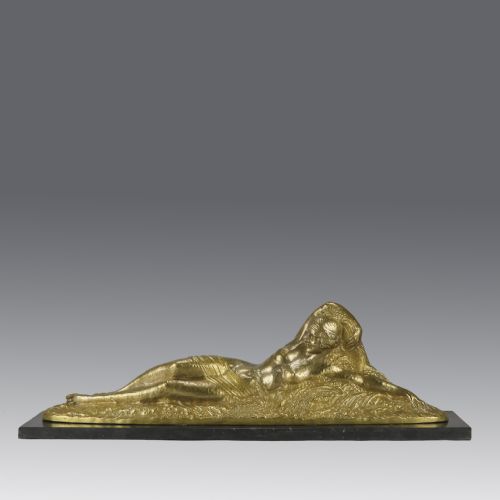
Most examples combine metal figures with substantial plinths, often mounting patinated or gilded bronze directly onto tiered bases of marble or onyx. Pieces range from solo female forms to more complex narrative groups like The Hunter.
Materials and Construction
Makers utilised a combination of bronze, gilt bronze, cold-painted bronze and sometimes spelter for the primary figures, capturing intricate costume details and flowing drapery. The casting process demanded high skill to render the slender limbs and elaborate garments characteristic of the Art Deco style.
Many significant works incorporated carved ivory for the faces and hands, creating the distinctive chryselephantine effect prized by collectors of the era. Bases were turned from contrasting natural stones including dense black or multi-coloured marble and banded onyx.
Several dancers balance so precariously on their stone plinths that equilibrium becomes the literal title of the work.
Assessing Quality and Execution
The distinction between superior pieces and standard work lies in the crispness of the casting and the finesse of the hand-finishing on the metal surface. Finer examples display meticulous attention to facial expression, costume patterning and the smooth integration of the figure with its stone base.
The choice of materials significantly influences the standing of a piece, with genuine chryselephantine construction and heavy gilt bronze commanding greater appreciation than simpler patinated bronze or spelter alternatives.
Demetre Chiparus
The Demetre Chiparus Statue Glossary
- Art Deco
- A design style dominant in the nineteen-twenties and nineteen-thirties characterised by sleek lines, geometric abstraction and stylised representations of the human form.
- Chryselephantine
- A term describing statues made from a combination of bronze and carved ivory, where the flesh parts are rendered in ivory and the garments in metal.
- Cold-painted bronze
- Bronze sculpture finished with oil or water-based paints that are not fired in a kiln, allowing for detailed polychrome surface decoration.
- Spelter
- A zinc alloy commonly utilised as a less expensive substitute for bronze in the manufacture of decorative figures and sculptural groups.
- Patinated bronze
- Metal sculpture treated with chemicals or heat to produce a specific surface colouration and finish.
Demetre Chiparus Statue: Frequently Asked Questions
What is a demetre chiparus statue?
A demetre chiparus statue is an Art Deco sculpture created during the early twentieth century, typically depicting dancers and female figures.
These works are celebrated for their embodiment of nineteen-twenties glamour and theatrical movement.
What materials should I expect?
Listings commonly record materials such as bronze, gilt bronze, cold-painted bronze, carved ivory, spelter, marble and onyx.
These elements were frequently combined within a single piece to create contrast between the figure and the plinth.
How can I tell the period?
The sculptures date from the early twentieth century, specifically associated with the nineteen-twenties and nineteen-thirties.
Stylistic markers include the distinct Art Deco aesthetic, theatrical dancer motifs and Egyptian revival themes.