







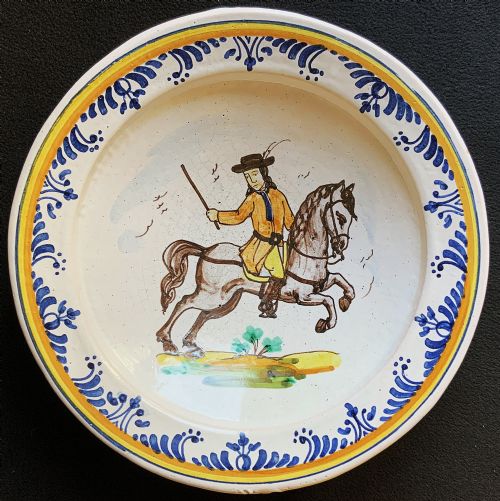

Delft Earthenware Dishes
Delft earthenware dishes are tin-glazed ceramics carrying centuries of hand-painted blue and white or polychrome design, prized for their historic decorative presence.
Delft Earthenware Dishes
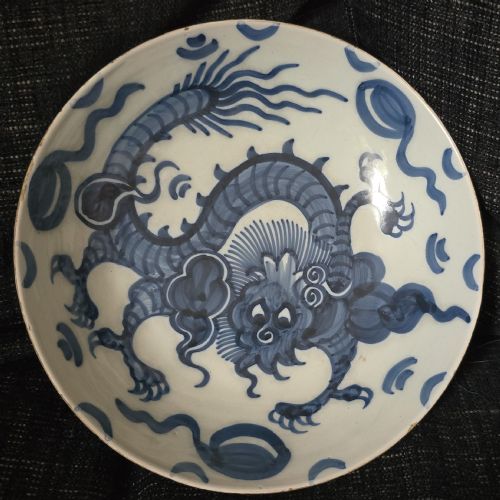
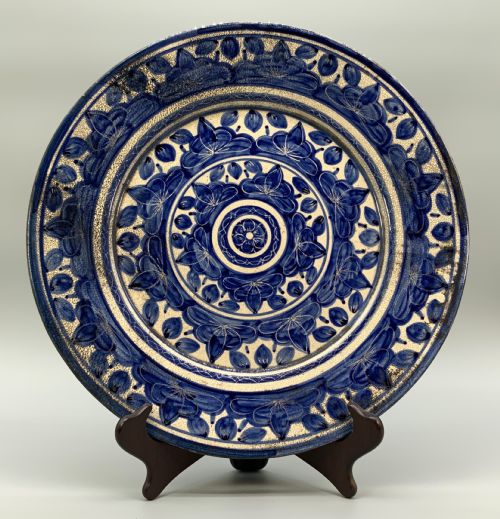
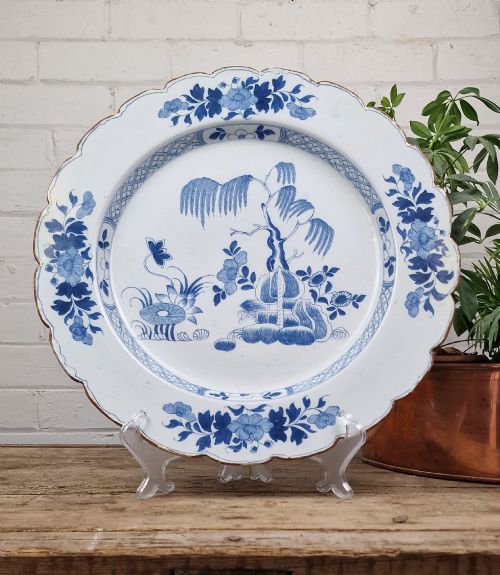
When a buyer searches for delft earthenware dishes, they encounter a range of chargers, bowls, and plates originating from English, Dutch, and continental European kilns. These items span the seventeenth, eighteenth, and nineteenth centuries, with eighteenth-century examples forming a major part of the selection.
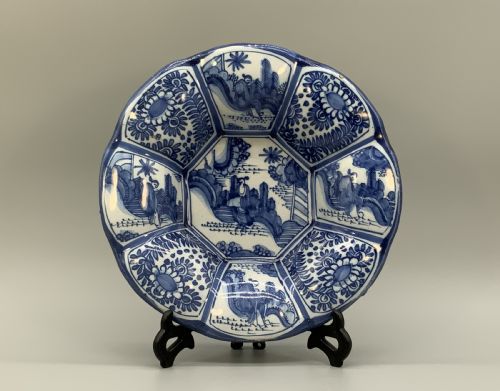
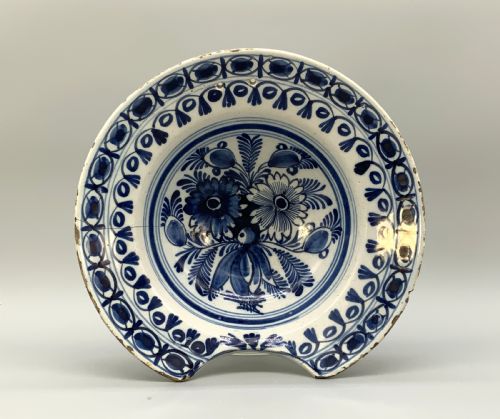
The forms vary from large decorative chargers and shallow bowls to specialised shapes like barber's bowls and sweetmeat presentiers. Dutch and English pieces dominate, often displaying classic blue and white painting or richer polychrome palettes.
How they were made
Potters shaped earthenware bodies and coated them in a white tin glaze, which provided an opaque surface for cobalt pigment and other metallic oxides. Artisans painted directly onto this porous absorbent glaze before firing, capturing swift brushwork in designs inspired by trade ceramics and contemporary European taste.
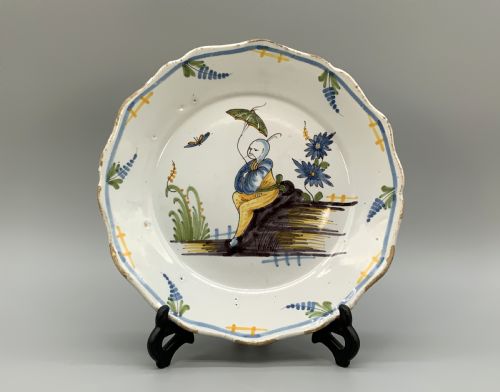
Palettes rely on cobalt blue, manganese, yellow, and polychrome pigments, reflecting both Kraak style influences and native floral or geometric compositions.
Delft Earthenware Dishes Retail Price Guide 2026
Typical asking prices for delft earthenware dishes among the pieces listed under this phrase on Sellingantiques today, from the lower quarter to the upper quarter. They describe what is for sale here now, not the wider market.
Listings feature items from the seventeenth, eighteenth, and nineteenth centuries, alongside a mid-twentieth-century continental piece.
What varies in quality
Quality rests upon the crispness of the hand-painted decoration, the balance of the composition across the dish, and the control shown during the firing process. Superior pieces display fluid, confident brushwork and a clear, stable tin glaze with minimal distortion.
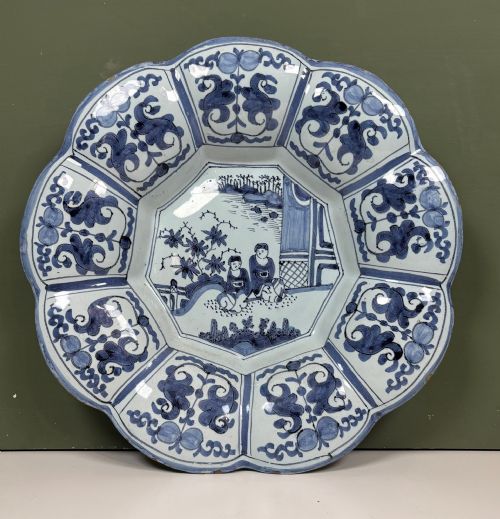
The ambition of the form also marks distinction, separating standard utility plates from large chargers or lobed dishes painted with complex Chinoiserie or floral motifs.
The Delft Earthenware Dishes Glossary
- Tin Glaze
- An opaque white ceramic glaze containing tin oxide, which forms the characteristic smooth canvas for painted delft decoration. This coating absorbs pigment quickly, requiring skilled and rapid brushwork from the potter.
- Charger
- A large decorative plate or shallow dish intended primarily for display on a wall or dresser rather than for daily dining. These substantial pieces often showcase the most ambitious painting in a collection.
- Polychrome
- Decoration employing multiple colours beyond standard blue, often including yellow, green, and manganese. Such palettes add warmth and complexity to eighteenth-century examples.
- Kraak Style
- A decorative layout featuring segmented panels around a central motif, borrowed from late Ming Chinese porcelain imported to Europe. Dutch potters adopted this aesthetic widely for early dishes.
- Sweetmeat Presentier
- A specialised shallow dish or divided vessel used for serving small confections or sweet treats during formal gatherings. These pieces reflect the varied domestic uses of tin-glazed earthenware.
Delft Earthenware Dishes: Frequently Asked Questions
How were delft earthenware dishes used?
Many large chargers and decorative plates served as wall hangings or sideboard ornaments to display wealth and taste in historic homes. Smaller plates and bowls saw functional service at the table for meals or sweetmeats.
Specialised forms like barber's bowls fulfilled specific domestic and trade requirements of their era. Their presence in a room bridge decorative arts and social history.
How do I tell English and Dutch delft apart?
English production often involved potteries in London, Bristol, and Lambeth, showing distinct regional clay bodies and glaze tones. Dutch pieces, particularly from Delft, frequently display specific blue hues and characteristic potting weights.
Comparing the foot rim, glaze thickness, and palette clues helps distinguish between the two major manufacturing traditions.
What is Chinoiserie on these dishes?
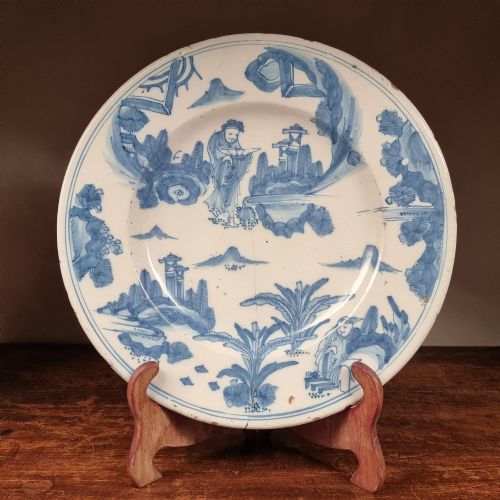
Chinoiserie refers to European interpretations of Chinese artistic motifs, popular on ceramics during the seventeenth and eighteenth centuries. Artisans painted imaginary landscapes, figures, and floral sprays influenced by imported Asian porcelain.
This style demonstrates the global trade connections that shaped European ceramic design.
How do I care for antique tin-glazed dishes?
These earthenware pieces require gentle handling and stable indoor environments away from moisture and direct sunlight. Display them securely using appropriate plate hangers or stands designed for antique ceramics.
Avoid washing them in water, as the porous historic body and tin glaze remain vulnerable to moisture penetration.