


Deep Tufted Library Chair
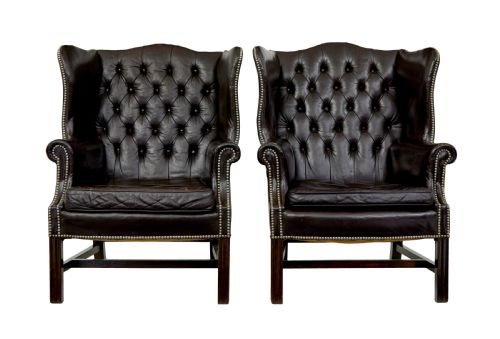
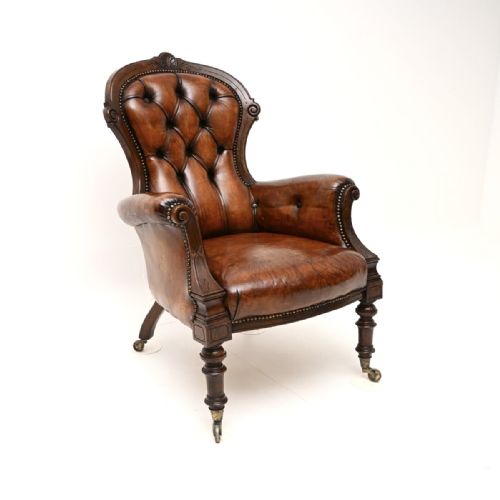
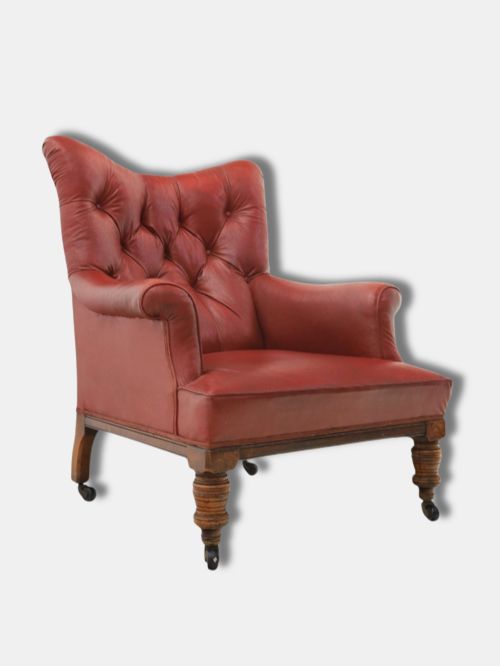
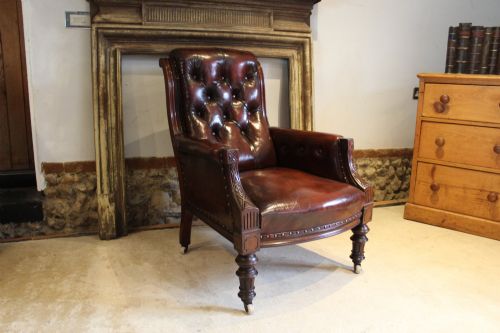
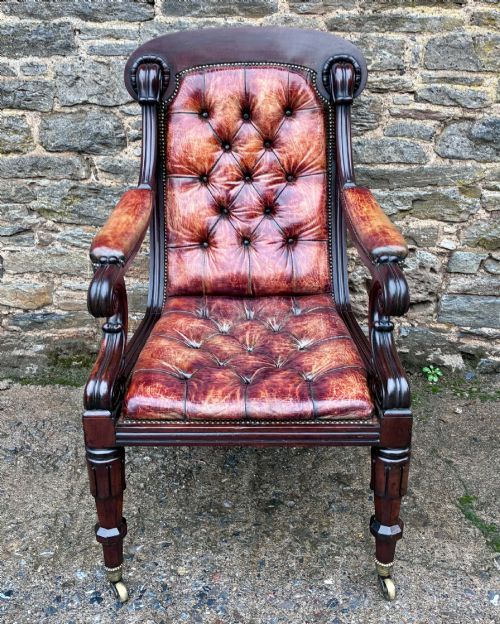
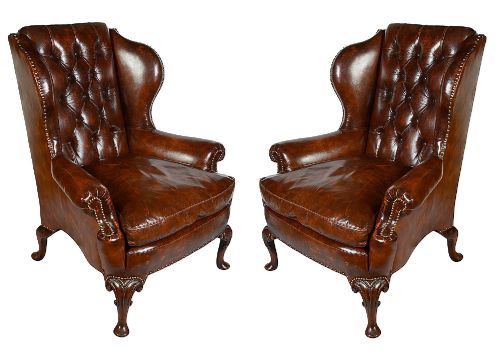
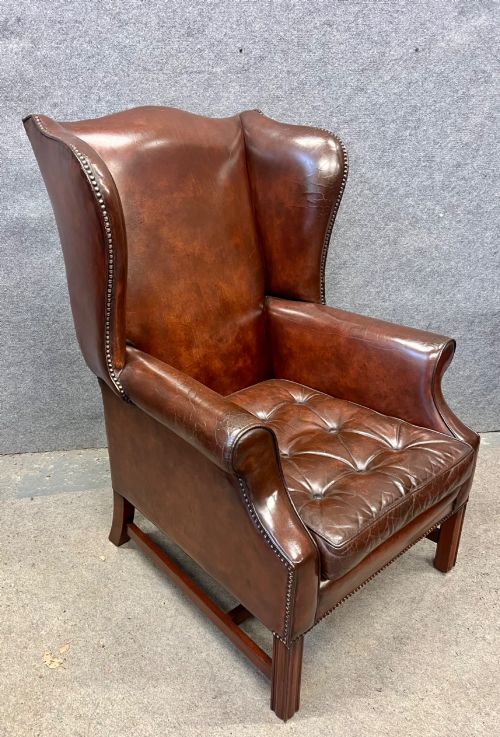
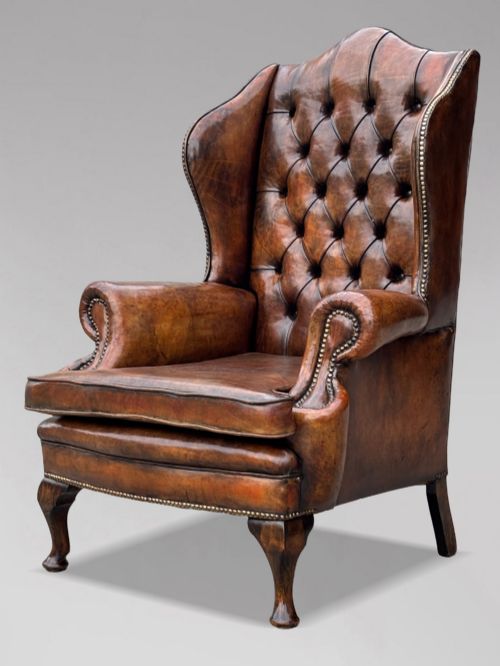
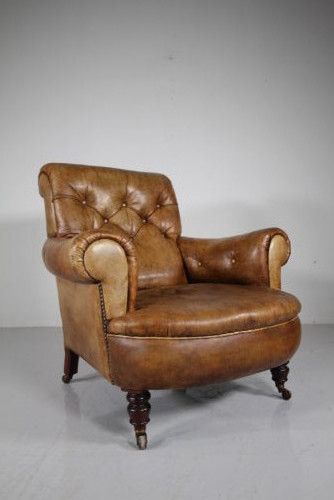
A deep tufted library chair anchors a room with substantial leather and buttoning designed for long hours of reading.
Deep Tufted Library Chair
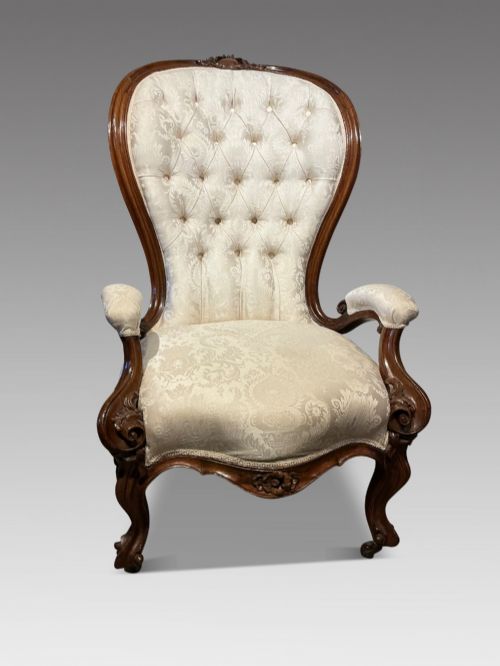
A deep tufted library chair provides low-slung seating designed for studies, libraries, and country house interiors. These pieces appear across the nineteenth century, the Victorian period, and into the nineteen-twenties, incorporating armchairs, desk chairs, and club armchairs.
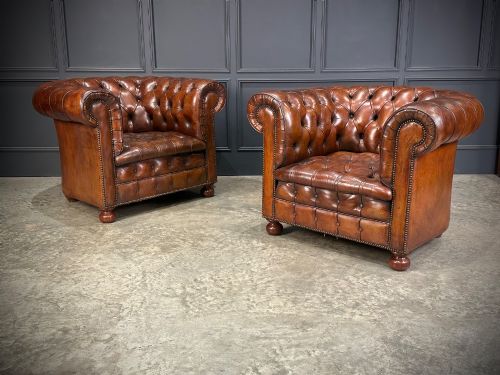
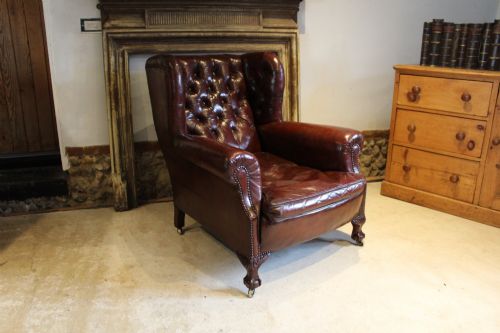
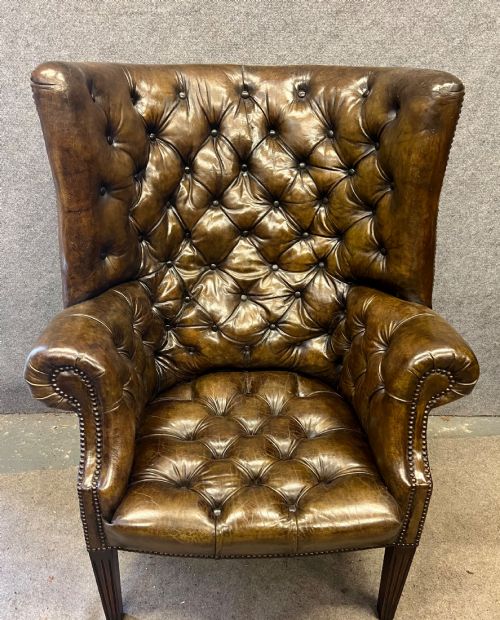
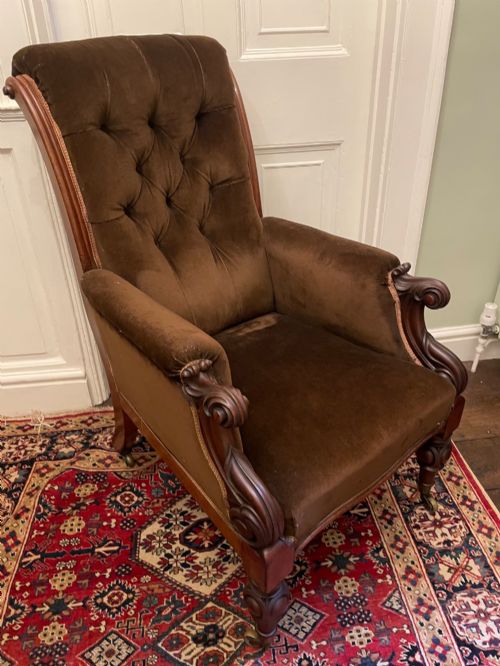
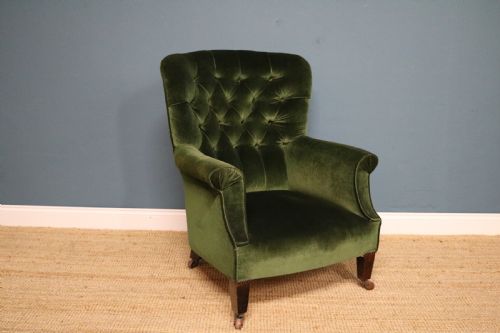
The most common examples on this page are Victorian and later leather wing armchairs or Chesterfield club armchairs featuring buttoned backs. Solid timber frames in mahogany, walnut, oak, and hardwood support the padded upholstery.
Makers such as Howard and Sons and Holland and Sons produced influential models that defined the style, alongside Georgian revival and Edwardian interpretations. The forms range from open armchairs to large scale wing chairs and reclining seats.
Judging quality and character
The integrity of the timber frame and the depth of the buttoning dictate the structural calibre of each seat. Heavier scale and dense internal stuffing separate substantial library chairs from lighter decorative models.
The quality of the leather determines how the surface ages, with hand-dyed and naturally patinated hides showing superior depth compared to uniform modern treatments. Original brass hardware and intact webbing contribute to historical authenticity.
Deep Tufted Library Chair Retail Price Guide 2026
Typical asking prices for deep tufted library chair among the pieces listed under this phrase on Sellingantiques today, from the lower quarter to the upper quarter. They describe what is for sale here now, not the wider market.
Some nineteenth-century library chairs retain mysterious makers numbers hidden beneath the upholstery webbing.
Howard and Sons·Holland and Sons
The Deep Tufted Library Chair Glossary
- Chesterfield
- A heavy club armchair or settee characterised by deep button tufting and rolled arms of equal height. This form is typically upholstered in brown, red, or tan leather.
- Buttoning
- An upholstery technique where twine pulls through the padding to secure buttons in a recessed grid pattern. This creates the characteristic deep tufted surface seen on library chairs.
- Wing back
- An armchair style featuring projecting panels attached to the arms and framing the headrest. These wings historically blocked drafts in large rooms.
- Rexine
- A branded artificial leather fabric made from cloth coated with nitrocellulose. It appears on mid-period club chairs as a durable alternative to natural hide.
- Gainsborough chair
- A wide, low-seated desk chair with an upholstered back and open padded arms. These seats rest on straight wooden legs and originated in the eighteenth century.
Deep Tufted Library Chair: Frequently Asked Questions
What is a deep tufted library chair?
A deep tufted library chair is a heavy upholstered seat designed for studies and reading rooms, featuring buttoned leather backs and sturdy wooden frames.
These pieces span the nineteenth and early twentieth centuries, encompassing wing chairs, club chairs, and open armchairs.
How do I date a leather library chair?
Dating relies on examining the timber frame, the style of the legs, and the method of upholstery construction. Victorian and nineteenth-century examples often feature mahogany or oak frames with hand-dyed leather.
Later pieces from the nineteen-twenties show shifts in timber choice and alternative upholstery materials like rexine.
Are these chairs comfortable for daily use?
Library chairs were built for long periods of reading and study, utilising deep padding and supportive sprung or stuffed bases. The low-slung seating position and high padded backs offer substantial physical support.
Leather upholstery adapts to body heat and softens further with regular use over time.