
Deep Tufted Couch
A deep tufted couch brings generous upholstery and buttoned detail to a room, offering both traditional character and deep seating comfort.
Deep Tufted Couch
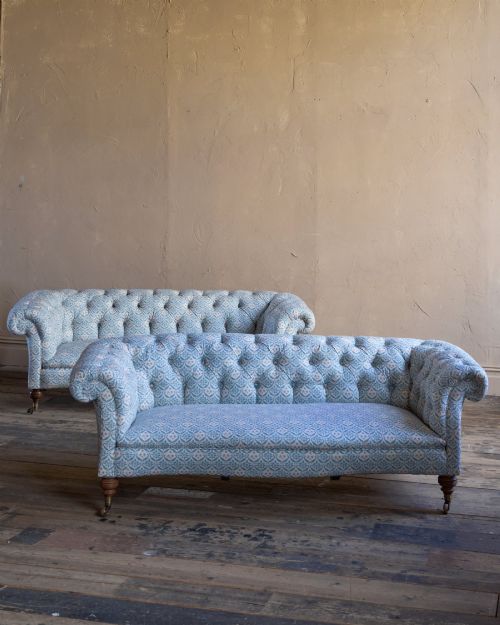
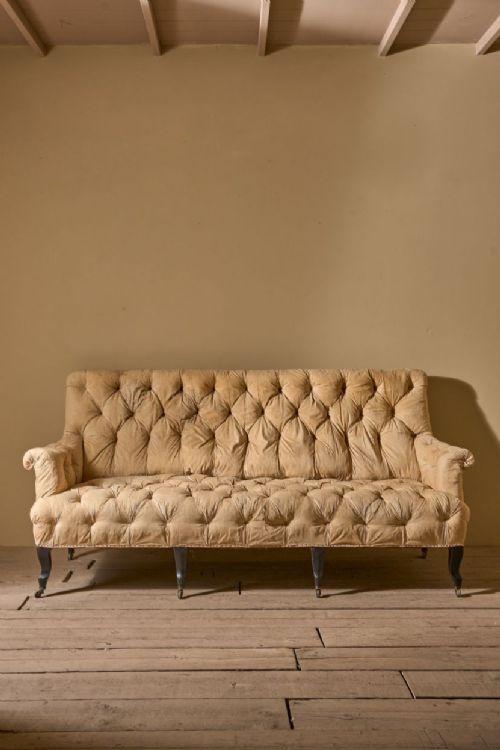
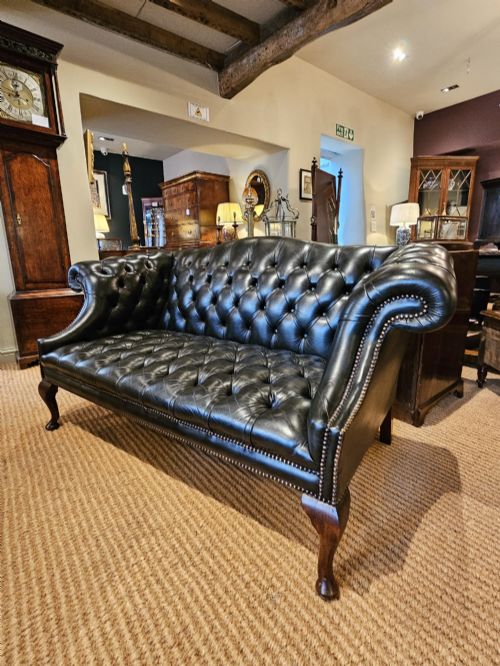
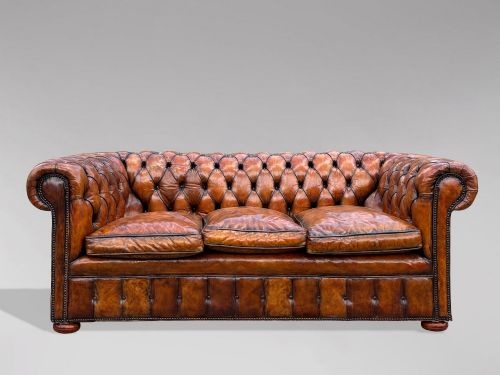
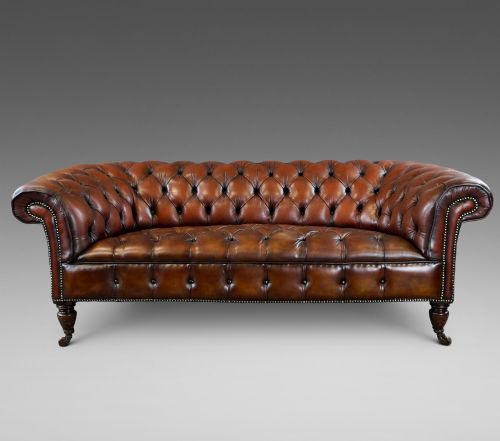
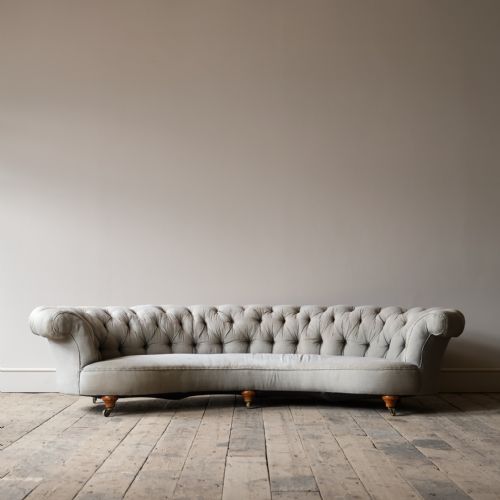
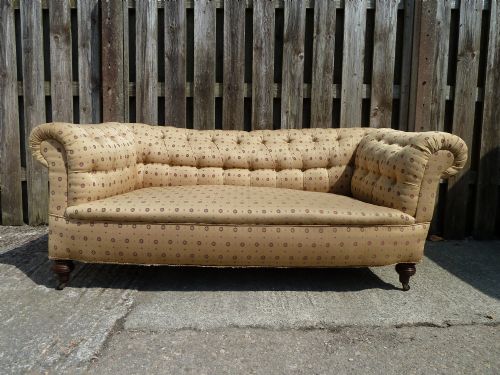
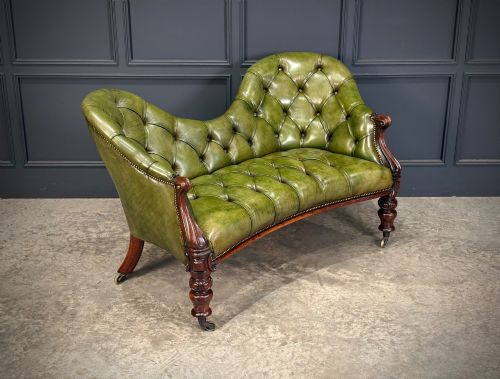
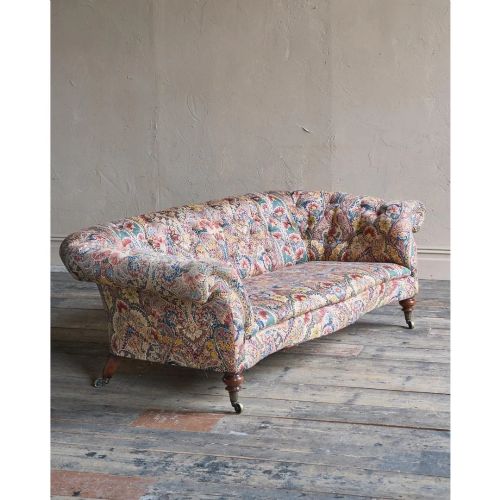
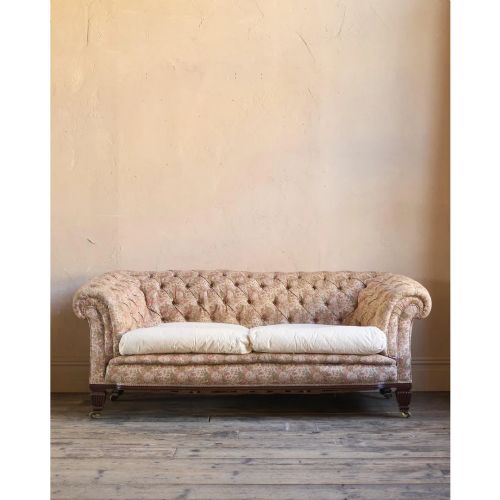
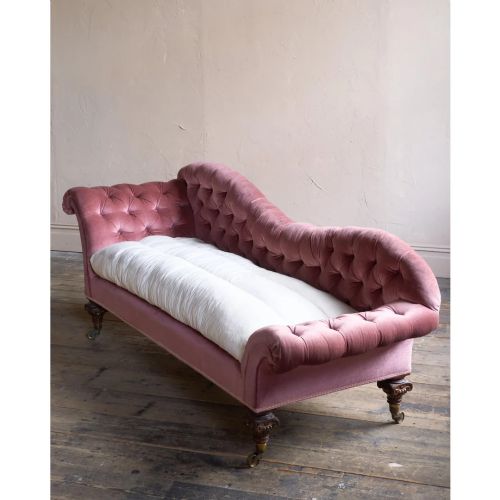
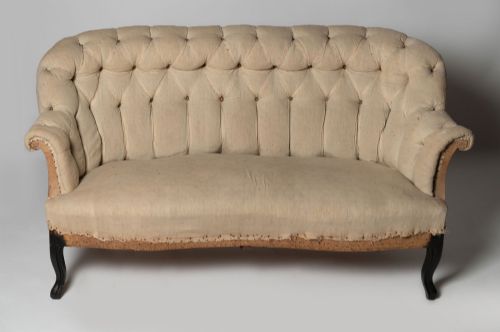
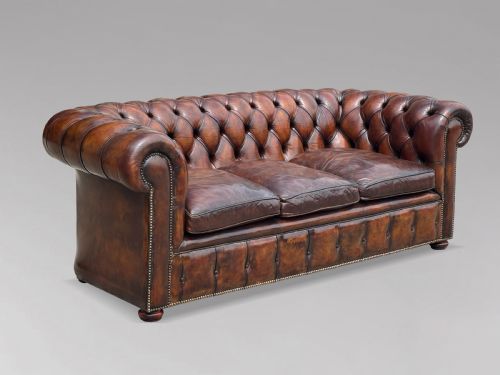
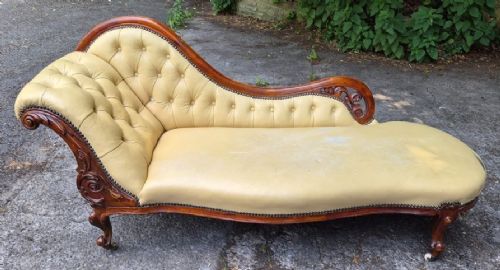
When searching for a deep tufted couch, buyers encounter substantial seating options primarily originating from the nineteenth and early twentieth centuries. The selection spans distinct forms such as classic Chesterfields, chaise longues, settees, and corner configurations.
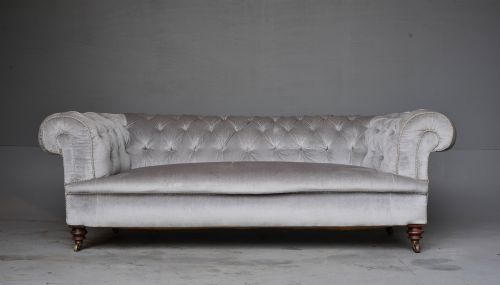
Victorian examples dominate the listings, frequently upholstered in leather or velvet with pronounced buttoning. These pieces range from standard three-seater proportions down to compact spoon-back designs and low-slung club sofas.
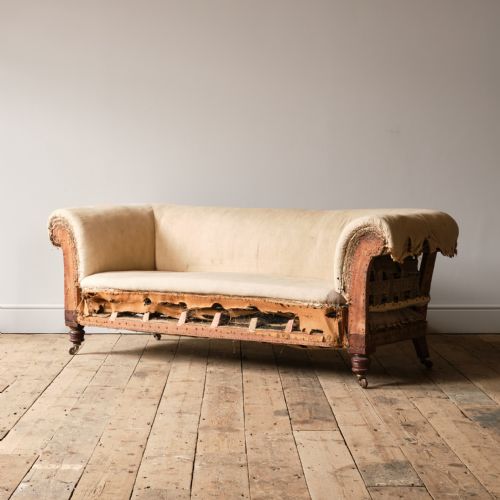
Makers such as Howard and Sons, Jas Shoolbred, and Hampton and Sons appear alongside French styles like the Napoleon III buttoned seat. Buyers will find both restored pieces and frames awaiting fresh upholstery.
Materials and construction
Frames rely upon sturdy timbers including mahogany, walnut, and general hardwood to support heavy sprung interiors. Traditional stuffing methods utilise horsehair stuffing alongside coil sprung foundations to maintain resilience.
Upholstery materials range from hand-dyed leathers to rich velvet, fabric, and blue damask, secured with deep buttoning. Structural accents occasionally incorporate brass details or carved wooden legs like ionic columns.
Some nineteenth-century chaises arrive with unexpected ionic column legs, proving that ancient Greek architecture makes a surprisingly good footrest.
Judging quality in a deep tufted couch
Quality rests heavily upon the integrity of the internal frame and the depth of the sprung coil adoring. Original un-restored pieces with intact horsehair filling differ significantly from examples that have undergone modern reconstruction.
The precision of the deep tufting and the character of the leather, whether raw hide selected for hand dyeing or aged whiskey brown patination, dictate the refinement of the finished seat.
Howard and Sons·Jas Shoolbred·Hampton and Sons
The Deep Tufted Couch Glossary
- Chesterfield
- A traditional style of couch characterised by deep button tufting, rolled arms, and a back of the same height as the arms. This form is typically upholstered in leather or fabric.
- Chaise Longue
- An elongated upholstered chair designed for reclining, often featuring a single raised end and supportive backrest. Examples in this category include kidney shapes and ionic column leg supports.
- Buttoned
- An upholstery technique where indentations are created across the surface using buttons pulled tight into the stuffing. This secures the padding and forms a distinctive diamond pattern.
- Horsehair gilled
- A traditional interior stuffing method using cleaned horsehair packed within the upholstery layers to provide durable spring and shape retention.
- Napoleon III
- A nineteenth-century French design style noted for ornate buttoned upholstery and curved wooden frames.
Deep Tufted Couch: Frequently Asked Questions
What is a deep tufted couch?
A deep tufted couch is a padded seating piece featuring recessed buttons that create a characteristic quilted texture across the back or seat. These substantial forms typically date from the nineteenth and early twentieth centuries.
Such seating includes traditional Chesterfees, settees, and chaise longues upholstered in leather, velvet, or fabric. Their construction emphasises deep cushioning and rolled armrests.
How do I identify a Victorian chesterfield?
Victorian chesterfields are identified by their heavy hardwood frames, deep buttoned leather or velvet upholstery, and low-slung proportions. Many examples feature rolled arms and substantial sprung seating.
Markings or stylistic traits often point towards prominent nineteenth-century makers like Howard and Sons or Jas Shoolbred. The leather on period pieces frequently exhibits natural patination from age.
Are these couches comfortable for daily use?
These couches provide robust support through traditional coil sprung interiors and dense horsehair stuffing. Their deep seating design accommodates relaxed lounging.
Comfort levels vary depending on whether the piece retains its original internal padding or has been restored. Buyers can find both fully usable antique leathers and frames suitable for new upholstery.
How should I care for antique leather?
Antique leather requires gentle cleaning and regular conditioning to prevent the hide from drying out. Avoiding direct sunlight and excessive heat preserves the natural finish of hand-dyed surfaces.
Raw leather variants intended for custom dyeing demand specific initial treatment before daily use. Professional conservation helps maintain the integrity of historic buttoning and horsehair stuffing.