







Deep Red Carpet
A deep red carpet brings heavy wool pile and saturated madder tones into a room, offering the rich palette found across nineteenth and early twentieth century tribal weavings.
Deep Red Carpet
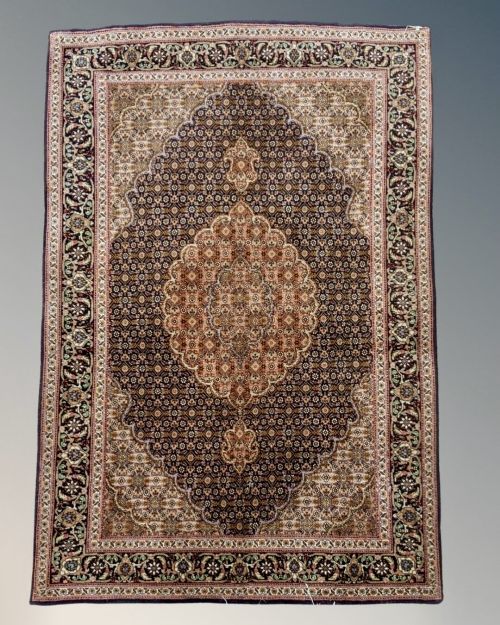
A deep red carpet encompasses tribal village rugs and room-size carpets woven across Central Asia, Persia, and Afghanistan during the nineteenth and early twentieth centuries. These floor coverings rely on dense wool foundations and distinctive regional motifs developed by nomadic and village makers.
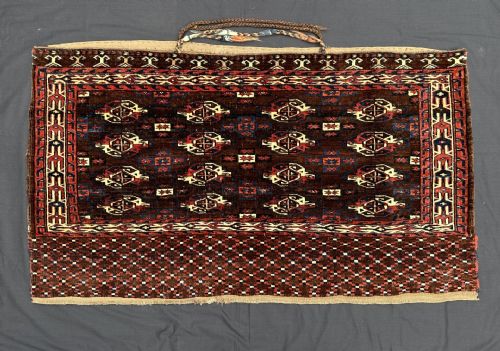
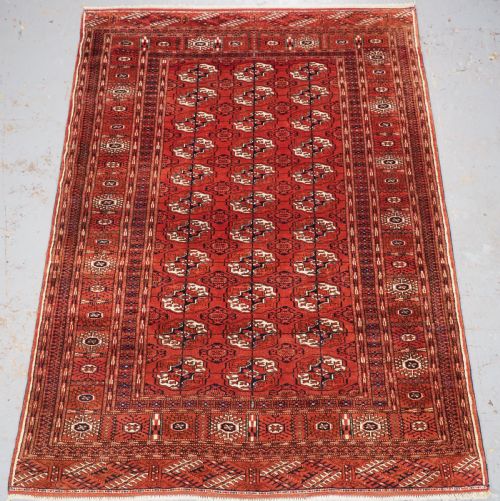
You are most likely to encounter nineteenth century and early twentieth century examples, notably Afghan village carpets and Turkmen tribal pieces featuring deep plum or rich red grounds. These range from small prayer rugs and storage bags to long runners and room-size carpets.
The aesthetic centres on saturated vegetable dyes that shift from rust to deep crimson under changing light. Such pieces anchor a room with heavy texture and traditional iconography passed down through generations of weavers.
Materials and Construction
These carpets rely on hand-spun wool for the pile, yielding a soft and glossy surface that holds deep red natural dyes securely. Cotton and wool foundations provide the structural grid necessary to support heavy daily use.
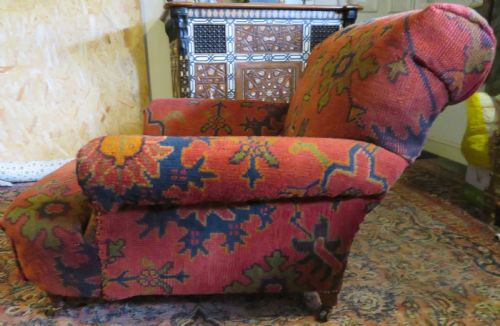
Weavers knotted the pile by hand onto warp and weft threads, often incorporating wool and cotton with occasional structural elements of wood and brass on related furnishings. Natural dyeing methods yielded the characteristic rich red and plum tones through repeated immersion in botanical vats.
Deep Red Carpet Retail Price Guide 2026
Typical asking prices for deep red carpet among the pieces listed under this phrase on Sellingantiques today, from the lower quarter to the upper quarter. They describe what is for sale here now, not the wider market.
Some storage bags made the long journey out of Trans-Caspian steppes before finding quiet retirement on modern floors.
Assessing Quality and Execution
Quality rests in the depth and saturation of the natural dyes, where complex modulation across the red field distinguishes superior wool from flat, uniform chemical colouring. The handling of traditional motifs, such as guls and prayer mihrabs, reveals the weaver's precision and artistic confidence.
The handling of the wool pile itself separates the finest examples, as soft, glossy pile retains its lustre and density over decades of friction. Structural integrity across the foundational warps and wefts ensures the carpet maintains its intended geometry.
Howard And Sons
The Deep Red Carpet Glossary
- Chuval
- A large nomadic storage bag used inside a yurt for household possessions. These pieces display face designs identical to full-size carpets.
- Mihrab
- A niche design symbolising the direction of prayer, frequently incorporated into the upper field of prayer rugs. It guides the worshipper during daily devotions.
- Gul
- An octagonal medallion motif repeated across Turkmen and Afghan carpets. Each pattern often identifies a specific tribe or clan grouping.
- Madder
- A natural dye extracted from the roots of the Rubia plant, yielding permanent red and crimson hues. It forms the primary colour base for these traditional carpets.
Deep Red Carpet: Frequently Asked Questions
How do I clean a deep red carpet?
Surface dirt lifts easily with regular gentle vacuuming using a suction-only attachment without a rotating brush bar. Avoid harsh chemical cleaners that strip natural dyes from the wool pile.
Professional specialist cleaning remains essential for deep washing to protect the structural integrity of the cotton and wool foundations. Water temperature and drying speed require expert management to prevent dye migration.
Can I place these carpets in high traffic areas?
Heavy hand-spun wool and sturdy construction allow many nineteenth and twentieth century village carpets to handle moderate foot traffic in hallways and living spaces. Placing a quality underlay beneath the rug prevents slipping and reduces fibre friction against hard floors.
Delicate antique prayer rugs or fine storage bags benefit from lighter placement to preserve fragile pile and delicate side-cords. Direct prolonged sunlight should be avoided to prevent fading of the saturated red dyes.
What is a village carpet?
Village carpets are hand-knotted floor coverings produced in small communities rather than large urban workshops. Weavers incorporated local tribal symbols and memory-based designs rather than following strict paper cartoons.
These pieces often display slight irregularities in line and colour batch variations that highlight their handmade origins. Their robust wool and deep red dyes reflect the practical needs of rural households.