
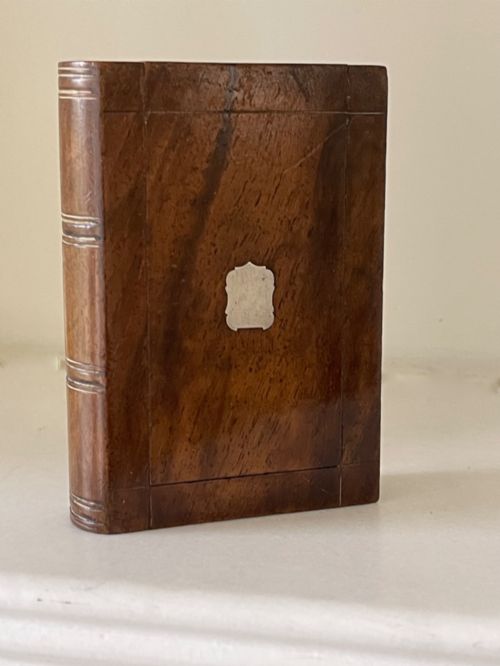
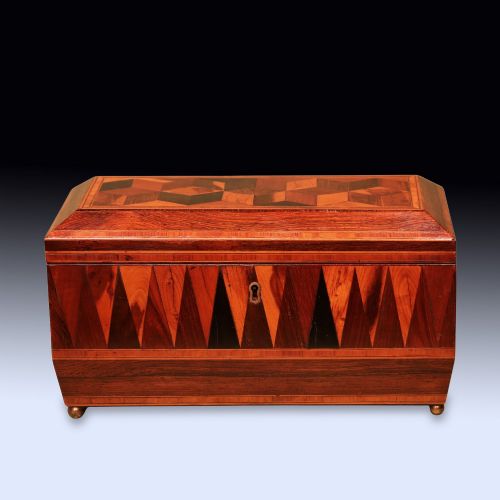


Decorative Wooden Box
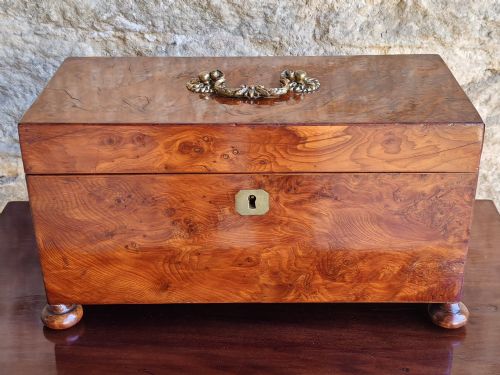
A decorative wooden box offers small-scale carpentry at its most intricate, holding tea, lace or letters within surfaces of walnut, rosewood and brass.
Decorative Wooden Box
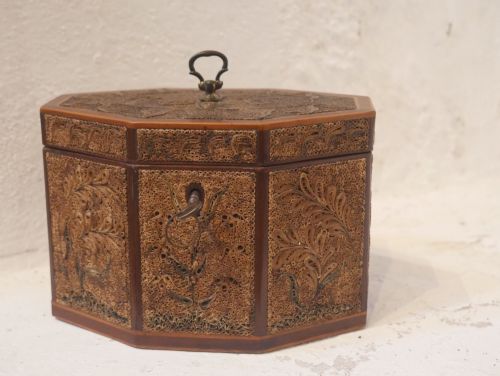
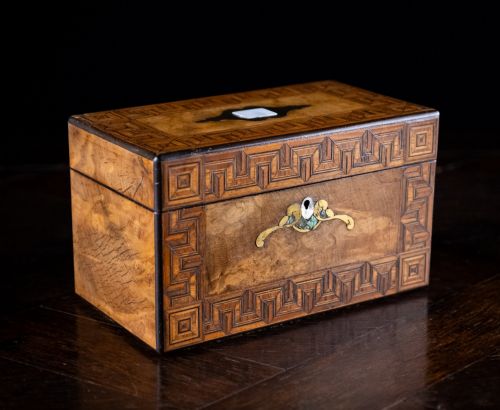
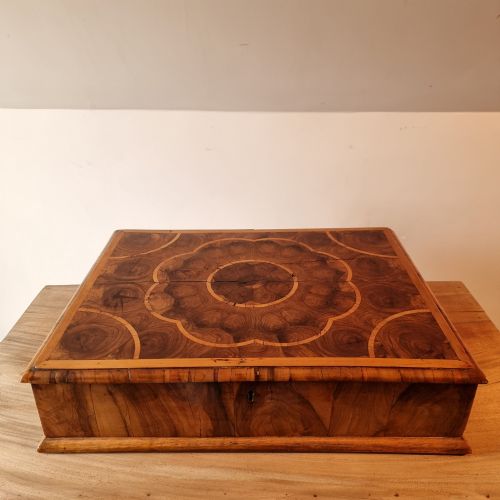
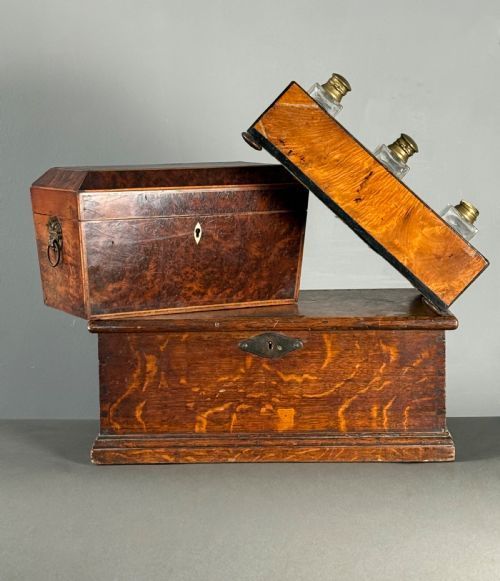
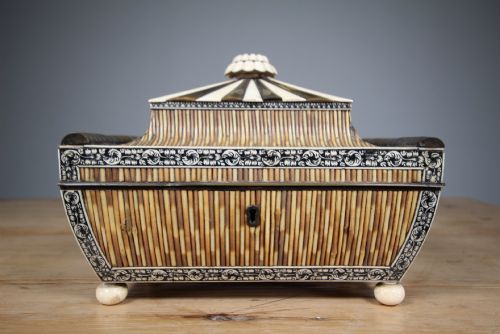
A decorative wooden box spans functional containers and miniature display pieces created across the seventeenth, eighteenth and nineteenth centuries. Buyers searching this phrase encounter tea caddies, jewellery boxes, lace cases, and traders chests shaped in sarcophagus, navette or barrel forms.
The nineteenth century provides the highest volume of examples on this page, alongside Georgian and earlier seventeenth-century pieces. Woods such as walnut, yew, mahogany and sycamore appear frequently, often enhanced by inlay, carving or painted finishes.
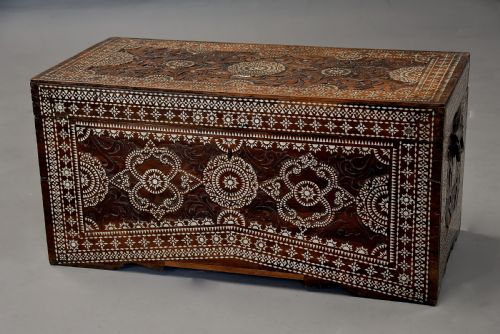
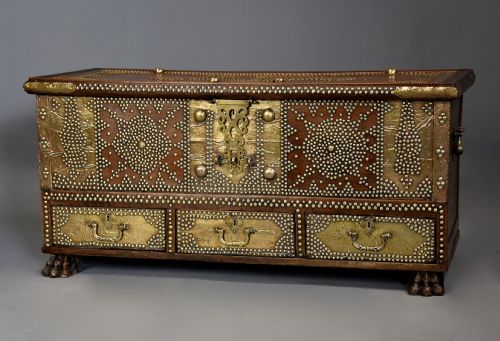
Objects range from British Tunbridge ware and Scottish sewing cases to Middle Eastern trunks, Chinese export coffers and European caskets. Each serves to store keepsakes or dry goods while displaying the decorative skills of its period.
Materials and Construction
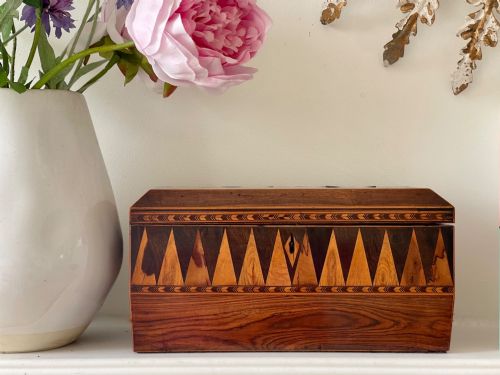
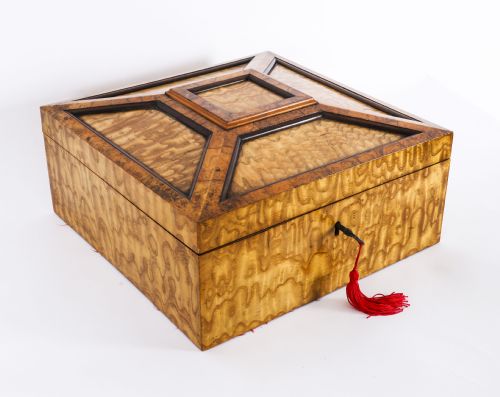
Cabinetmakers constructed these boxes using dense timbers like padouk, rosewood, walnut and oak, often applying veneers of burr maple, amboyna or satinwood to visible surfaces. Parquetry and marquetry patterns required precise cutting of contrasting wood species to form geometric or floral designs.
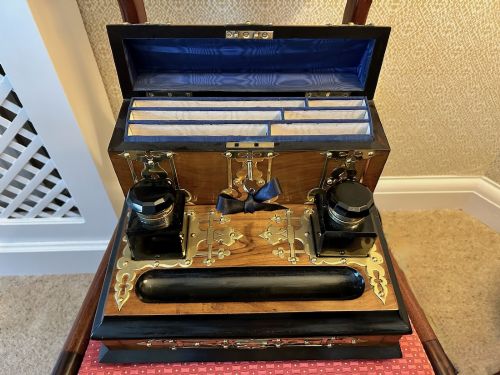
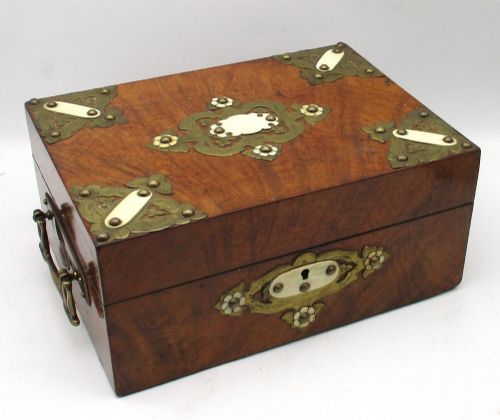
Metal embellishment played a structural and decorative role, with brass inlay, studwork, hinges and locking escutcheons secured by hand. Mother-of-pearl, bone and tortoise shell were shaped and inset into the timber lids and panels to create textural contrast.
Surface treatments included hand-painting, lacquer work, paper filigree and gilt carving, depending on the origin. Interiors frequently retained fitted compartments, glass mixing bowls, or silk and velvet linings tailored to the object's original function.
Decorative Wooden Box Retail Price Guide 2026
Typical asking prices for decorative wooden box among the pieces listed under this phrase on Sellingantiques today, from the lower quarter to the upper quarter. They describe what is for sale here now, not the wider market.
The inventory records functional forms ranging from sewing cases and writing boxes to spice towers, stamp boxes, and heavy traders chests.
Standards of Execution
Quality rests on the precision of the joinery and the complexity of the decorative elements. Finer examples display tightly aligned parquetry, seamless veneer matching and crisp hand-carving rather than stamped or superficial ornamentation.
The selection of timber dictates the visual depth of a piece, with well-figured burr woods and rich grain patterns elevating the status of a box. Superior execution extends to the interior fittings, where compartments, original glass components and hardware remain intact.
Erhard and Sohne·Tahan of Paris
The Decorative Wooden Box Glossary
- Tea caddy
- A small box designed to store loose tea leaves, often featuring internal compartments or a central glass mixing bowl. These containers were kept locked in the dining or drawing room.
- Tunbridge ware
- A type of woodworking originating from Kent, characterised by mosaic patterns made from thousands of tiny wood blocks. It creates detailed pictorial or geometric designs on box lids.
- Marquetry
- The art of applying pieces of veneer to a structure to form decorative patterns and pictures. Craftsmen used various coloured woods to achieve tonal shading.
- Parquetry
- Geometric mosaic woodwork formed by fitting together small wooden blocks to create repeating patterns. It appears frequently on nineteenth-century box lids.
- Sarcophagus shape
- A box design tapering towards the base and supported on feet, mimicking the classical stone coffin form popular during the Regency period.
- Treen
- Small handmade wooden household objects and utensils. Spice towers and turned boxes fall into this category of functional turned items.
Decorative Wooden Box: Frequently Asked Questions
What were tea caddies used for?
Tea was an expensive commodity in the eighteenth and nineteenth centuries, kept under lock and key by the head of the household. Caddies featured internal compartments to separate green and black teas, often including a glass bowl for blending.
Servants brought the caddy to the table when tea was served, maintaining control over the valuable leaves. The inclusion of original mixing sticks and bowls indicates a complete survival of these social rituals.
How do I date a wooden box?
Dating relies on timber choices, construction methods and prevailing decorative styles. Georgian pieces favour satinwood, mahogany and paper scrollwork, while Regency boxes often display brass inlay on rosewood.
Later Victorian examples introduce varied hardwoods, parquetry and revival styles like Gothic or Arts and Crafts. Hardware such as hinges and escutcheons further helps confirm the period of manufacture.
What is Tunbridge ware?
Tunbridge ware involves assembling thousands of tiny tinted wood squares to form a mosaic picture or geometric border. Craftsmen glued these strips together before slicing them thinly to apply to box surfaces.
Popular motifs include butterflies, flowers and architectural views. Pieces bearing this technique originate primarily from the nineteenth century in southeast England.
How should I care for an antique box?
Antique wooden boxes require stable indoor humidity away from direct sunlight and heat sources to prevent wood splitting and veneer lifting. Gentle dusting with a dry, soft cloth preserves the polished finish.
Avoid liquid cleaners and commercial polishes, which can damage aged wax or oil surfaces. Maintaining consistent environmental conditions protects both the exterior timber and delicate interior linings.