
Decorative Wood Overmantel
A decorative wood overmantel brings presence to a room, framing a fireplace with period proportion and reflective depth.
Decorative Wood Overmantel
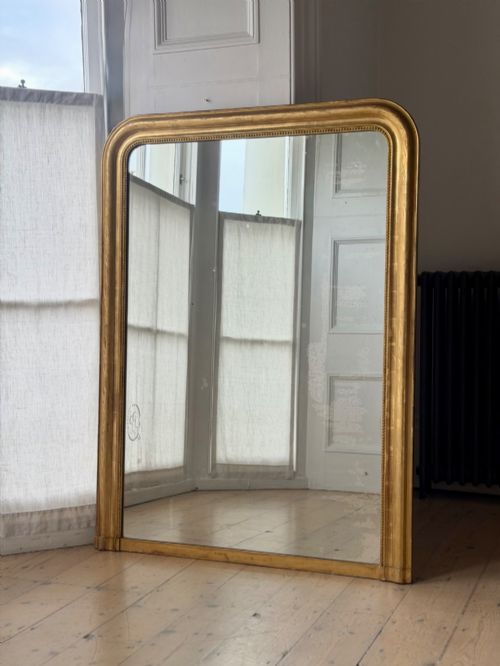
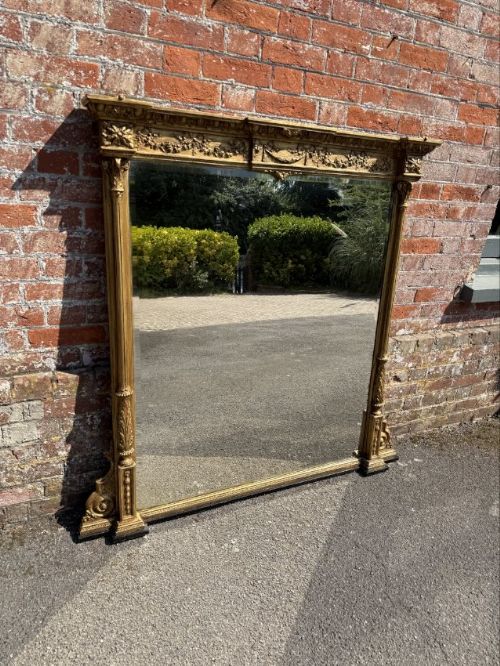
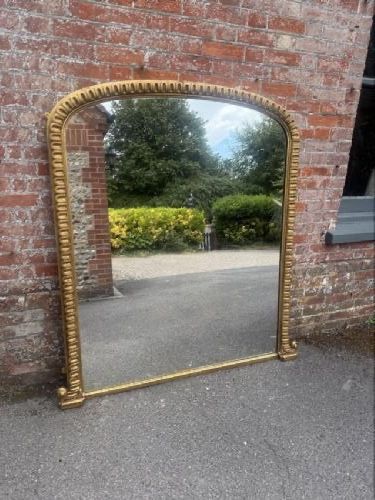
A decorative wood overmantel sits above a fireplace mantel, functioning primarily as a large wall mirror designed to draw light into a reception room.
Most examples found here date from the 19th century, particularly the Victorian era, alongside pieces spanning the 18th century to the early 20th century.
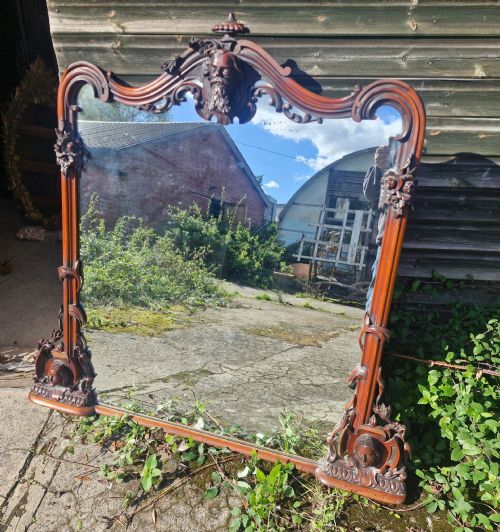
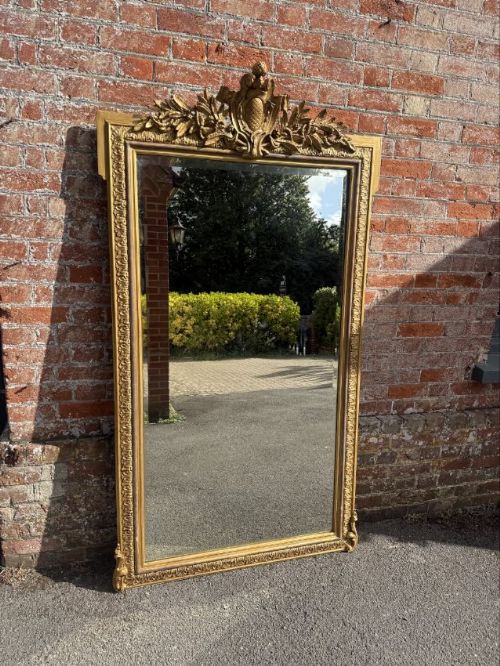
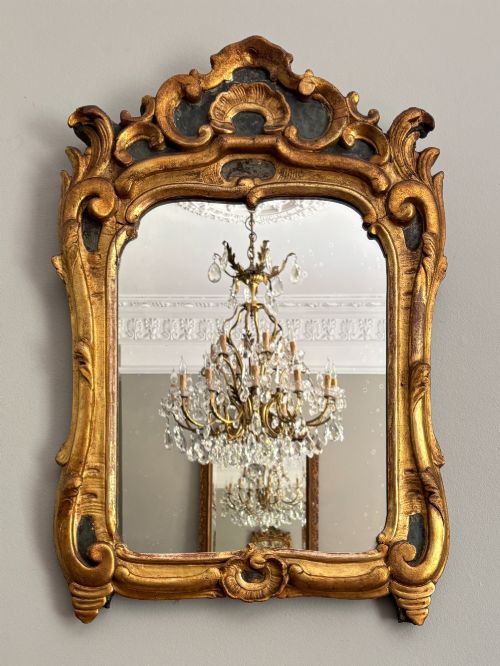
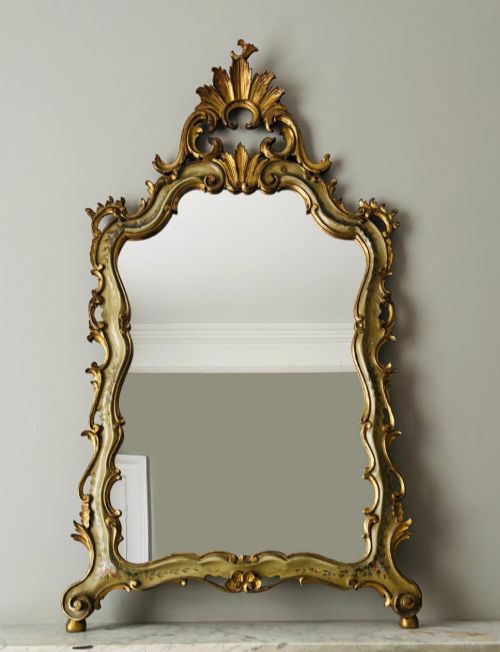
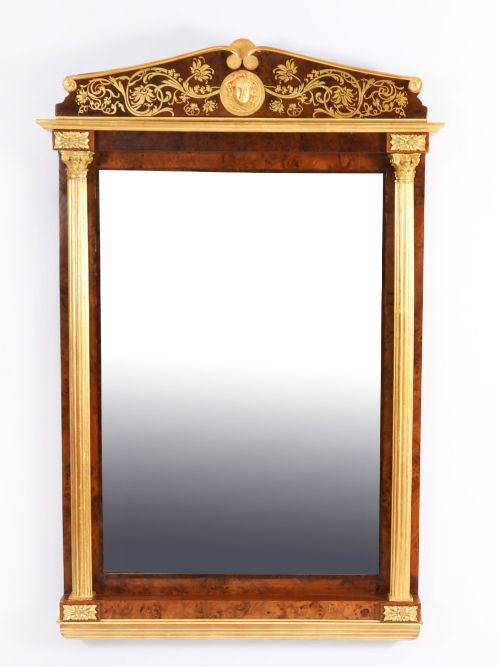
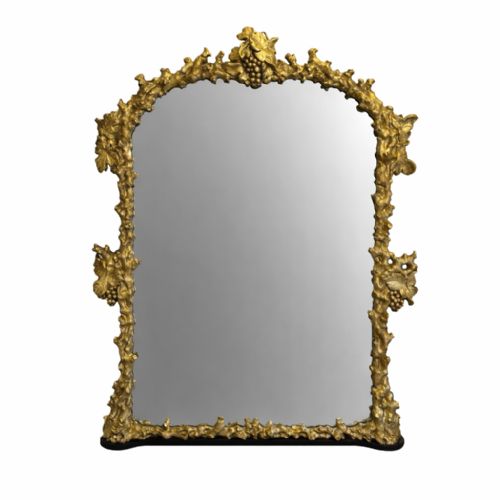
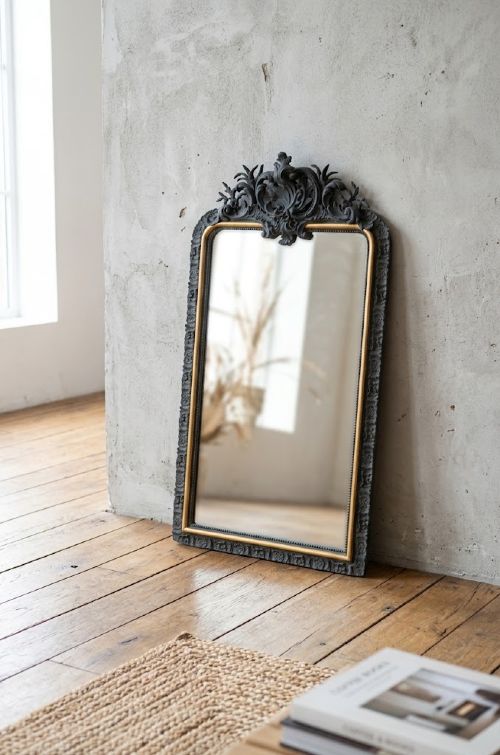
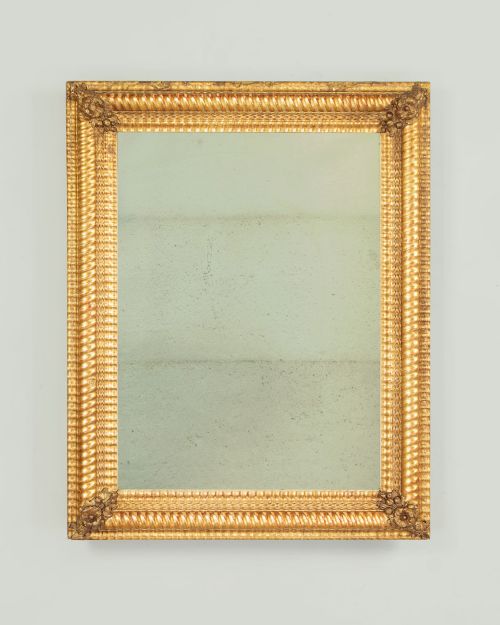
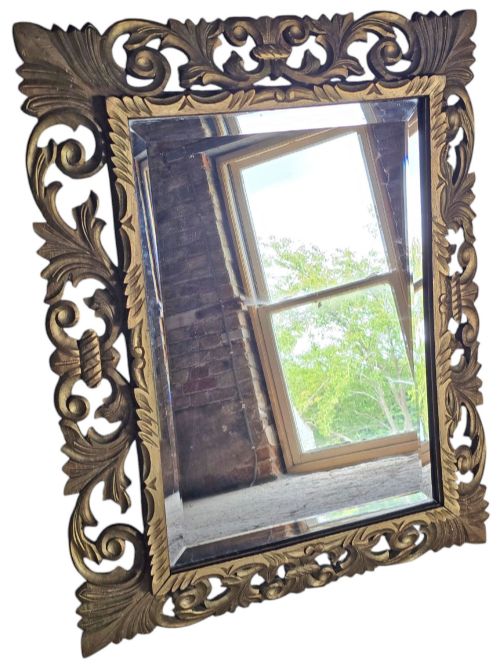
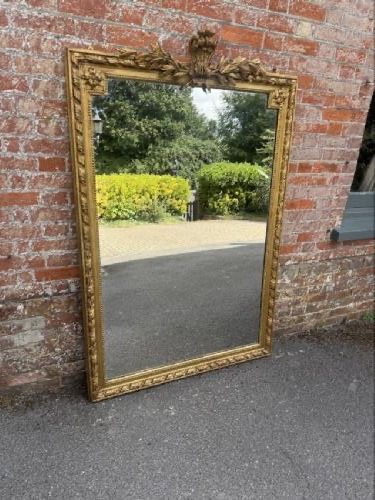
Forms range from arched top and rope twist frames to rectangular trumeau mirrors and ornate French Rococo revival styles.
Materials and Techniques
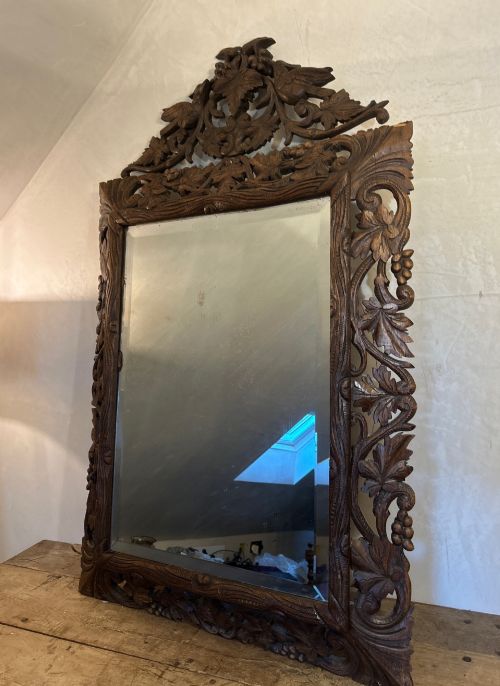
Frames rely on solid woods such as oak, mahogany, and rosewood, often paired with gesso and carved wood details that receive layers of gold leaf, paint, or parcel-gilt finishing.
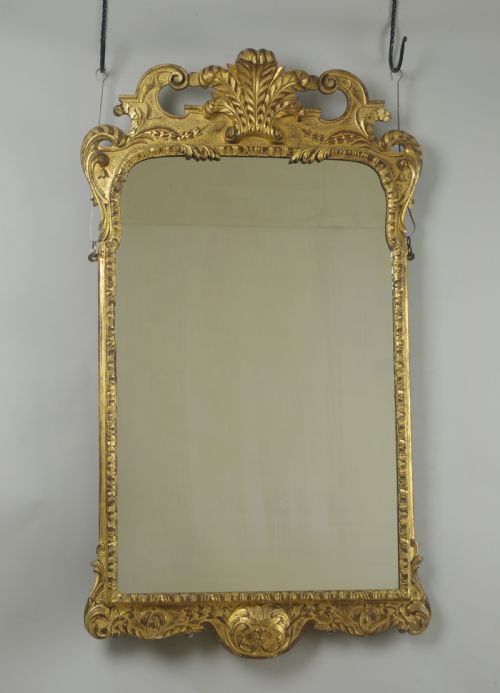
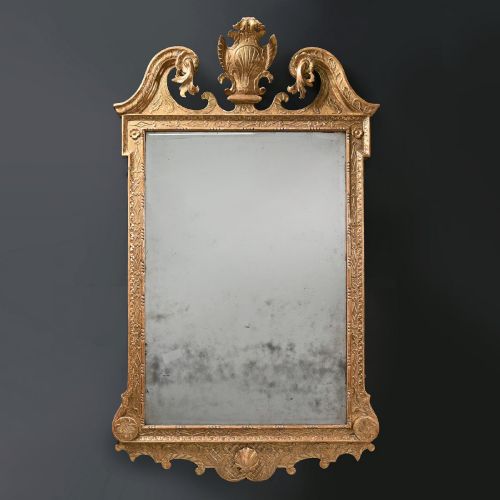
Glass plates provide the mirror surface, sometimes set within cushion frames or intricate giltwood carvings executed in styles from George II to Louis XVI.
Several mirrors carry the label of French marriage mirrors, traditionally commissioned to mark matrimonial alliances.
Evaluating Quality
Depth and crispness of the wood carving distinguish superior frames from simpler production pieces, particularly where gesso is applied to build up relief ornament.
The integration of the glass with the wooden structure, alongside the preservation of original gilding and painted surfaces, dictates the standing of an individual mirror.
The Decorative Wood Overmantel Glossary
- Overmantel mirror
- A large mirror specifically proportioned to hang on the wall directly above a fireplace mantelpiece. These pieces often incorporate architectural framing elements.
- Gesso
- A plaster-like mixture applied to wood frames and carved before gilding or painting. It allows for sharp, intricate decorative relief work.
- Giltwood
- Wood that has been coated with gold leaf or metallic powder. It provides a luminous surface that catches and reflects ambient room light.
- Trumeau mirror
- A decorative wall mirror featuring an upper glass plate paired with a lower painted or carved panel. They frequently reflect French interior design themes.
- Pier glass
- A tall mirror designed to hang on the wall space between two windows. They share similar decorative vocabularies with overmantel mirrors.
Decorative Wood Overmantel: Frequently Asked Questions
How do I hang a heavy overmantel mirror safely?
Heavy antique overmantels require professional wall fixing directly into masonry or secure wall studs using appropriate brackets.
Weight distribution across the wooden frame needs careful assessment before installation above any fireplace.
Were these mirrors always meant for fireplaces?
Many large formats were specifically constructed to sit above fireplace mantels to bounce hearth light around period reception rooms.
Others functioned as pier glasses placed between windows to amplify daylight.
How do I clean an antique giltwood frame?
Dusting requires a very soft, dry brush to protect delicate gesso and gold leaf layers from abrasion.
Moisture and cleaning chemicals should stay away from antique gilding entirely.
How can I tell a Victorian overmantel from an 18th century one?
Eighteenth-century examples like George II pieces display specific proportional restraint and hand-carved gesso details typical of earlier cabinetmaking.
Victorian interpretations often embrace heavier ornamentation, machine-assisted elements, and distinct revival styles.