






Decorative Tray Table
These decorative tray tables combine versatile surface utility with distinct period craftsmanship, offering collectors a practical focal point for the room.
Decorative Tray Table
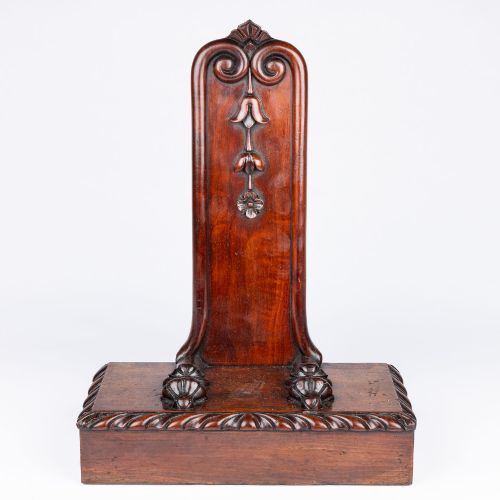
A decorative tray table brings together a portable serving surface and a sturdy support stand, appearing across the nineteenth century and into the early twentieth century. When exploring this search phrase, buyers encounter forms ranging from folding occasional tables to elaborate wood etageres.
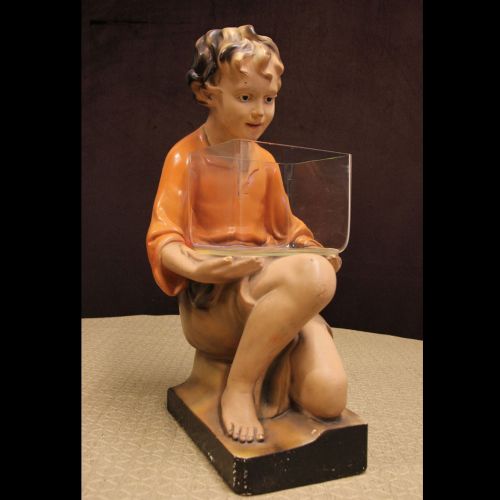
The objects bridging this category encompass diverse regional traditions, including Italian polychrome finishes, French ormolu mounts, and Anglo-Indian folding structures. These pieces serve primarily as flexible side tables or centrepieces within modern and traditional interiors alike.
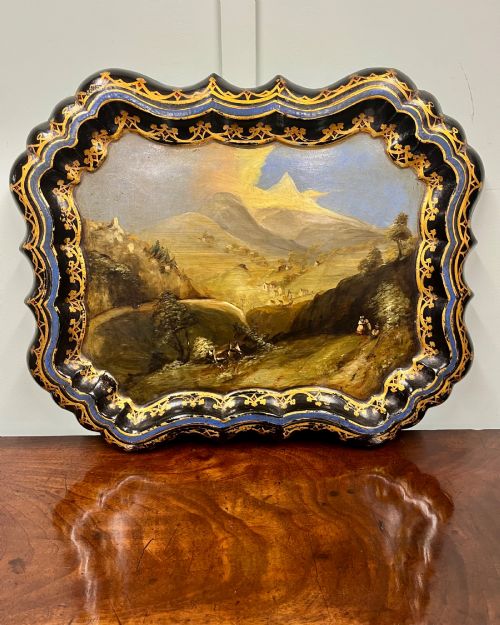
Makers and workshops across different eras utilised materials such as mahogany, satinwood, brass, and mixed metals to construct these versatile furnishings. The resulting configurations span simple galleried rims to intricate painted and inlaid surfaces.
Materials and construction methods
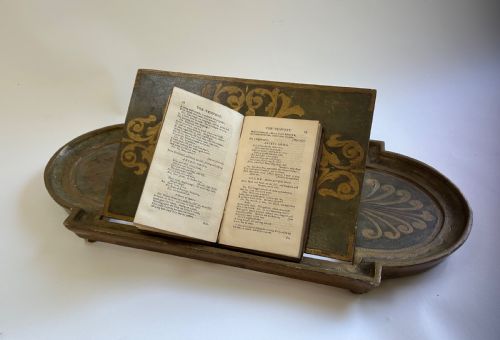
Cabinetmakers utilised traditional timber framing alongside specialised decorative techniques such as gesso moulding, polychrome painting, and intricate wood veneers including satinwood and mahogany. Metal elements often involve cast brass, silver, or ormolu paired with enamel work.
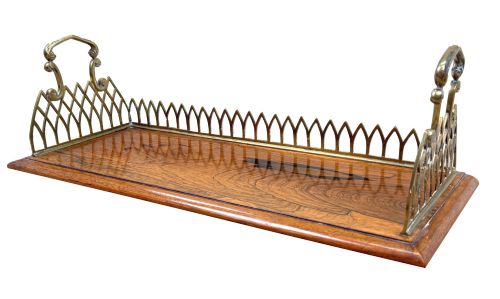
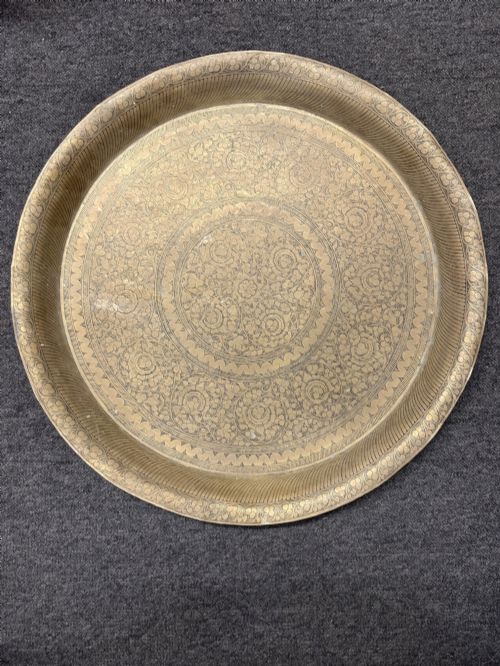
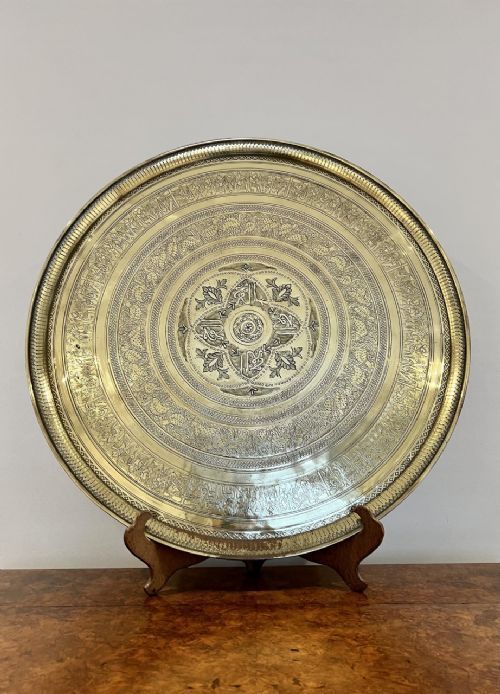
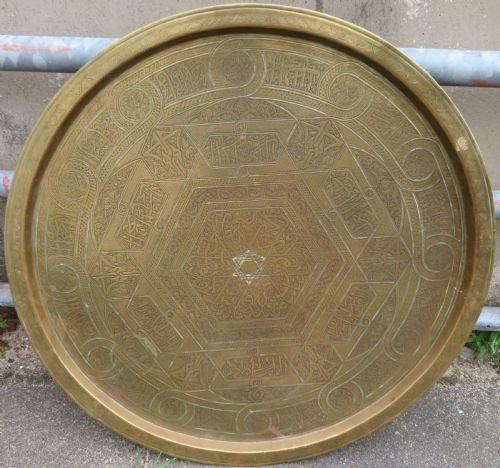
Structural designs incorporate folding bases for portability alongside fixed occasional stands and galleried edges intended to secure items placed on top. Artisans applied hand-engraving to brass and mixed metals, creating textured surface patterns visible on Middle Eastern and European examples.
Decorative Tray Table Retail Price Guide 2026
Typical asking prices for decorative tray table among the pieces listed under this phrase on Sellingantiques today, from the lower quarter to the upper quarter. They describe what is for sale here now, not the wider market.
Materials recorded across current pieces include mahogany, satinwood, brass, silver, onyx, ormolu, and hand-painted gesso.
Distinguishing quality across examples
The refinement of surface decoration primarily separates standard utility items from superior examples, visible in the crispness of brass engraving, the depth of champleve enamel, and the hand-painted detail on polychrome or Italian surfaces. Timber selection also dictates grade, with finely figured mahogany and satinwood outshining simpler painted pine.
Structural integrity and the harmony between the tray top and its supporting base define the craftsmanship of each piece. Superior items maintain original mounts, seamless folding mechanisms, and unaltered finishes that reflect the intended aesthetic of the period.
Tiffany and Co
The Decorative Tray Table Glossary
- Etagere
- A piece of furniture consisting of a set of open shelves or trays for displaying small objects. These tiered structures provide both surface area and visual lightness.
- Ormolu
- Gilded bronze used widely for decorative mounts on nineteenth-century furniture and decorative objects. It provides a bright metallic accent against wood or stone.
- Champleve
- An enamelling technique where troughs are dug into a metal surface and filled with vitreous paste before firing. This creates colourful patterned designs on metal trays and dishes.
- Gallery
- A raised wooden, brass, or metal border fitted around the edge of a tray or tabletop. Its purpose is to prevent items from sliding off the surface.
Decorative Tray Table: Frequently Asked Questions
How were tray tables used historically?
These pieces functioned primarily as movable serving furniture for tea, drinks, or small meals in domestic parlours and drawing rooms. The removable top allowed servants to carry items directly from the kitchen before placing the tray onto its dedicated stand.
Over time, many of these trays remained permanently on their stands to act as decorative side tables or display surfaces for smaller objets d'art. Their dual nature made them indispensable for entertaining in nineteenth and early twentieth-century homes.
Are the trays detachable from the stands?
Many examples feature a removable tray resting freely on a folding or fixed base, following the traditional design for portable serving pieces. This construction allowed the surface to be lifted independently when required.
Other variations integrate the tray permanently into the structure as a fixed tabletop or etagere tier. Examining the underside usually reveals whether the tray was built specifically for that particular stand.
How do I date a tray table?
Dating relies on identifying the prevailing stylistic influences, such as Regency Chinoiserie, Victorian mixed metalwork, or later Italian and Venetian painted decoration. Material choices like solid mahogany, ormolu mounts, and early brass engraving techniques provide clear chronological markers.
Construction methods further help narrow the period, as hand-tools and specific joinery styles evolved across the nineteenth and early twentieth centuries. Comparing the piece against documented examples from similar eras confirms its approximate age.
Where do these tables fit in a room?
A decorative tray table works effectively as an occasional or side table beside a sofa or armchair, offering a convenient surface for books and lamps. Their compact footprints suit smaller spaces where traditional heavy furniture might overwhelm the room layout.
Pieces with intricate brass engraving or painted polychrome surfaces also serve well as focal points in hallways or reception spaces. Their visual interest draws the eye while remaining genuinely useful for daily living.