


Decorative Top Table
A decorative top table brings surface artistry into a room through inlaid woods, shaped marble, or painted scenes.
Decorative Top Table
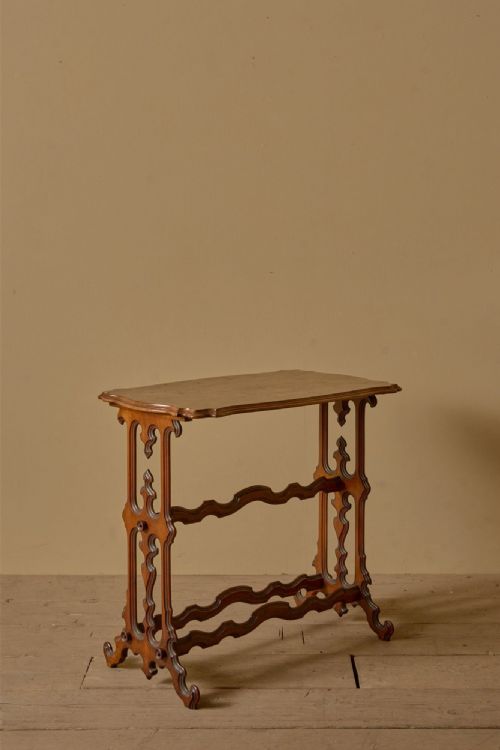
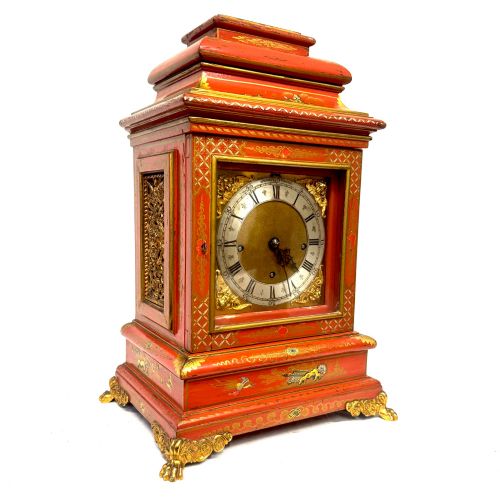
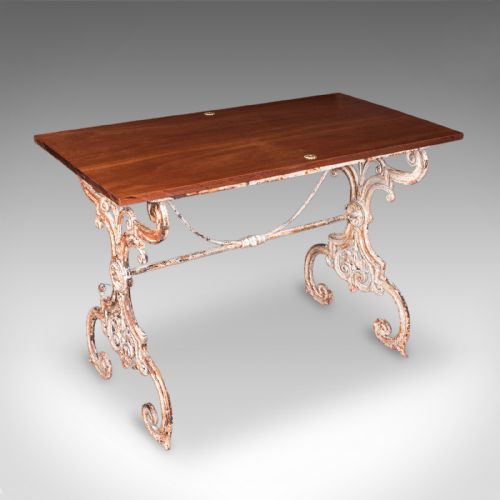
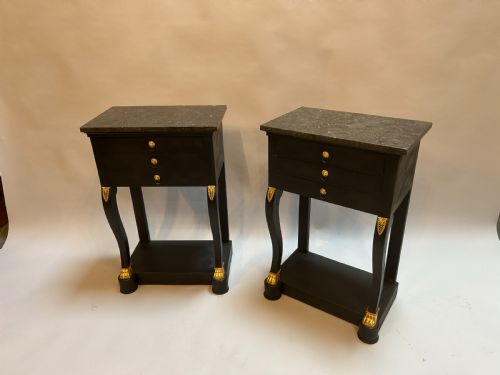
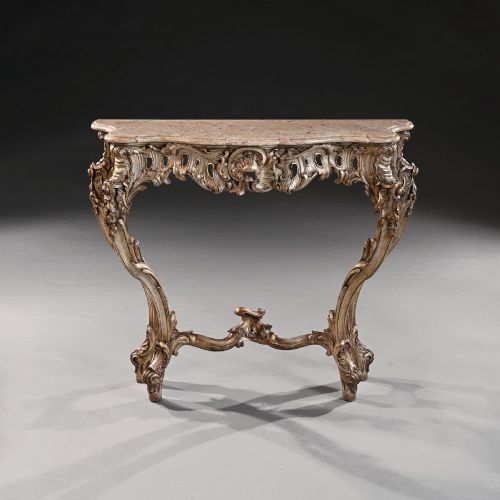
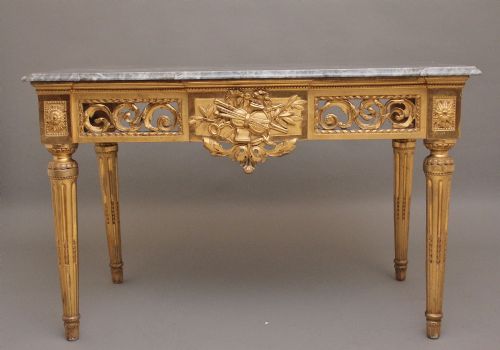
A decorative top table encompasses a wide variety of surface-focused furniture, from occasional tables and console tables to centre tables and plant stands. When searching for a decorative top table, buyers encounter formats spanning the nineteenth century through the early twentieth century, with styles including Victorian, French Empire, Louis XVI, and Anglo-Indian. These tables function primarily to draw the eye downwards to intricate tabletops while serving practical roles in domestic spaces.
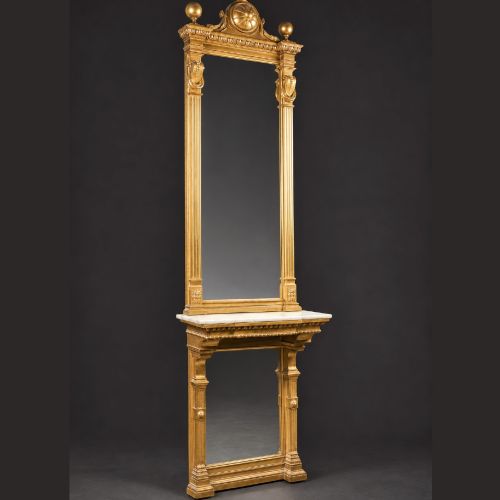
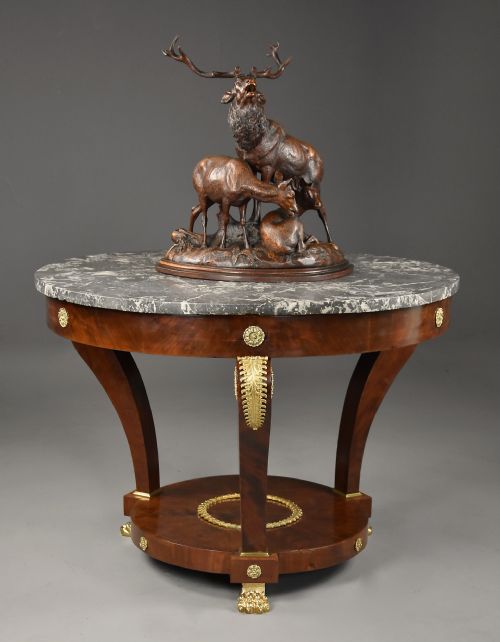
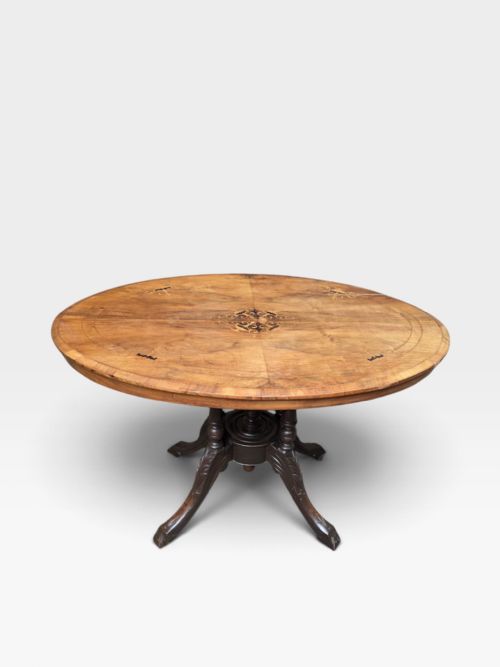
The assortment on this page leans heavily towards nineteenth-century examples and turn-of-the-century pieces, featuring materials like marble, wood, brass, and paint. Common forms include console tables with shaped marble surfaces, chess top tables, and tray top tables resting on various wooden or metal bases. The decorative emphasis remains firmly on the upper surface, whether executed through marquetry, pietra dura, or hand-painted finishes.
How they were made
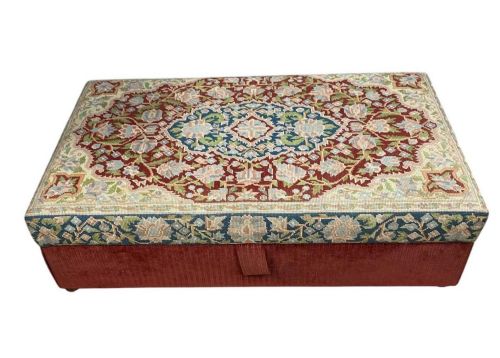
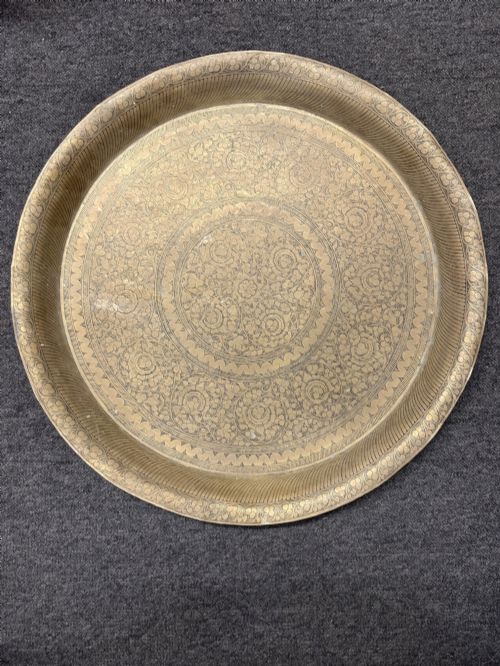
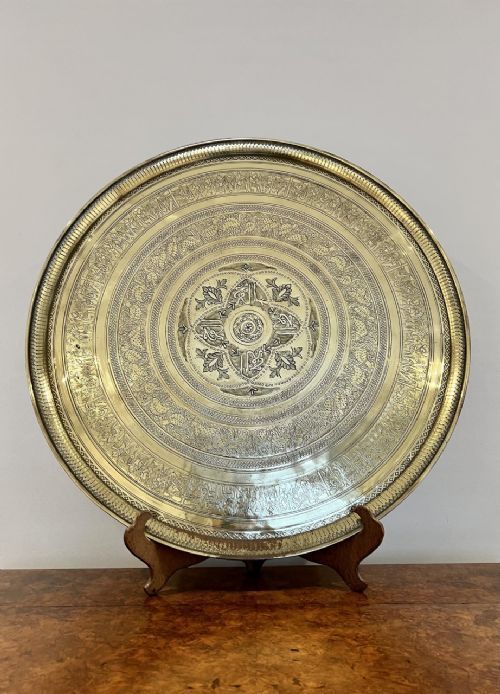
Surface adornment defined the construction process, incorporating engraved brass trays, tapestries, papier-mâché with mother-of-pearl, and delicate glass or onyx inserts. Bases were turned, carved, or cast to support these ornate tops, utilising materials ranging from heavy marble and solid wood to slender brass columns and painted woodwork.
Decorative Top Table Retail Price Guide 2026
Typical asking prices for decorative top table among the pieces listed under this phrase on Sellingantiques today, from the lower quarter to the upper quarter. They describe what is for sale here now, not the wider market.
Some tables double as game boards, letting you settle a family dispute over chess before dinner is even announced.
What varies in quality
The calibre of a decorative top table rests heavily on the execution of its surface artistry, distinguishing simple vernacular pieces from ambitious workshop productions. Finer examples display meticulous marquetry, precise pietra dura stonework, or hand-painted details that retain their crispness and depth over time. The choice of materials also dictates the upper tier of the range, where solid timbers, genuine specimen marbles, and heavy giltwood outshine simpler pine or secondary metals.
Structural integrity and the harmony between top and base separate standard items from superior specimens. Higher quality tables maintain secure joints and proportions that balance heavy stone or inlaid surfaces without wobbling, whilst lesser items may couple mismatched elements or rely on superficial painted decoration to mask simpler underlying construction.
The Decorative Top Table Glossary
- Marquetry
- The art of applying small pieces of veneer to a structure to form decorative patterns. This technique creates detailed pictorial or geometric designs on tabletops.
- Pietra dura
- An Italian term for the technique of inlaying cut and fitted polished coloured stones into a base. It produces smooth, mosaic-like floral or geometric tabletops.
- Console table
- A table designed to be fixed against a wall, frequently supported by ornate legs or brackets. These often feature shaped marble tops.
- Tilt-top table
- A table with a mechanism that allows the surface to tilt vertically when not in use. This clever design saved space in nineteenth-century parlours.
- Demi lune
- A half-moon shaped table designed to sit flat against a wall. These are frequently found in satinwood or mahogany with decorative top surfaces.
Decorative Top Table: Frequently Asked Questions
What is a decorative top table?
A decorative top table is any small or medium surface-focused furniture piece where the visual interest concentrates primarily on the tabletop itself. These include occasional, centre, and console tables featuring inlaid woods, stone, or painted decoration.
They appear across various nineteenth-century and early twentieth-century styles, serving as functional furniture that doubles as display art within a room.
How do I style a marble top table?
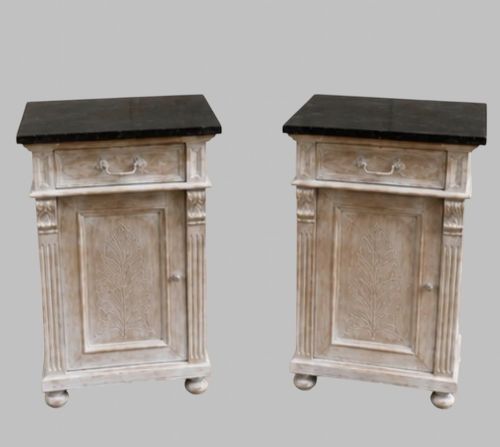
A marble top table provides a cool, durable surface that naturally suits placement in hallways, drawing rooms, or as a bedside cabinet. Their stone surfaces handle decorative objects, lamps, and plants with ease.
Because the top itself provides strong visual texture, pairing these tables with simpler surrounding furniture allows the inlaid or shaped marble to stand out.
Where were chess top tables used?
Chess top tables served as dual-purpose furniture for nineteenth-century entertaining, combining a recreational board integrated directly into the wood or stone surface with the utility of a standard occasional table.
They typically sat in studies, parlours, or drawing rooms where guests could partake in games without needing to set up a separate folding board.
How can I tell a Victorian table apart?
Victorian tables often display rich timbers like burr walnut, mahogany, or rosewood, frequently enhanced by marquetry inlay or tilt-top mechanisms. Their proportions tend to be robust and functional.
Looking underneath reveals period construction methods, timber ageing, and joining techniques characteristic of nineteenth-century British and European workshops.