






Decorative Textile Art
Decorative textile art brings centuries of woven and embroidered history into modern interiors through wall hangings, panels, and tapestries.
Decorative Textile Art
When you search for decorative textile art, you encounter a diverse range of historical wall hangings, embroidered panels, and woven tapestries spanning from the sixteenth century to the early twentieth century. These pieces encompass European needlework, Central Asian tribal dowry embroideries, and traditional Indian temple paintings.
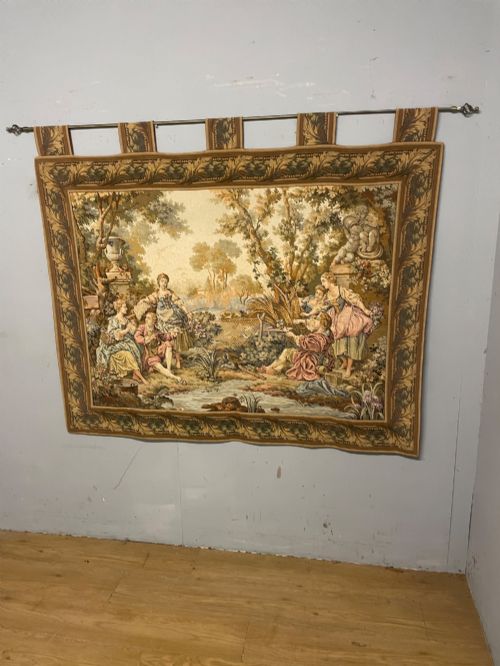
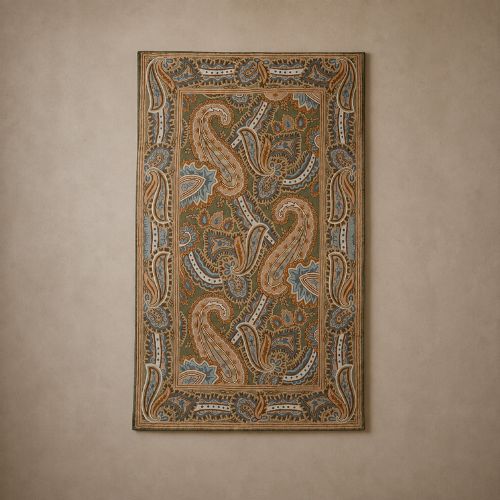
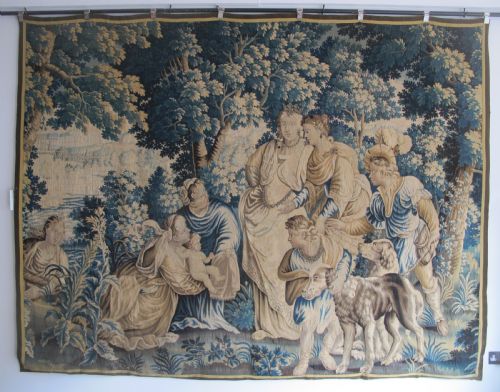
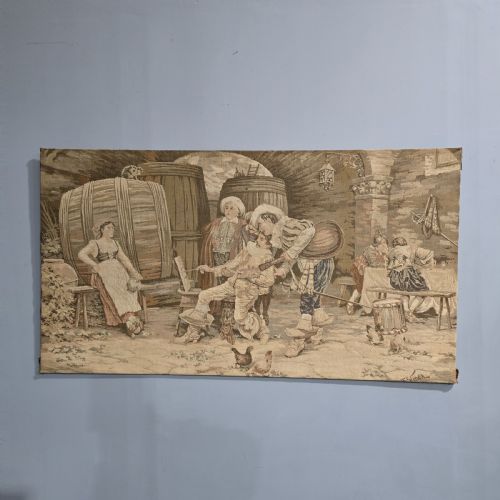
You are most likely to meet large wall panels, verdure tapestries, and framed embroideries created from wool, silk, and cotton. The selection bridges formal European classical aesthetics with vibrant folk traditions from Afghanistan, India, and Uzbekistan.
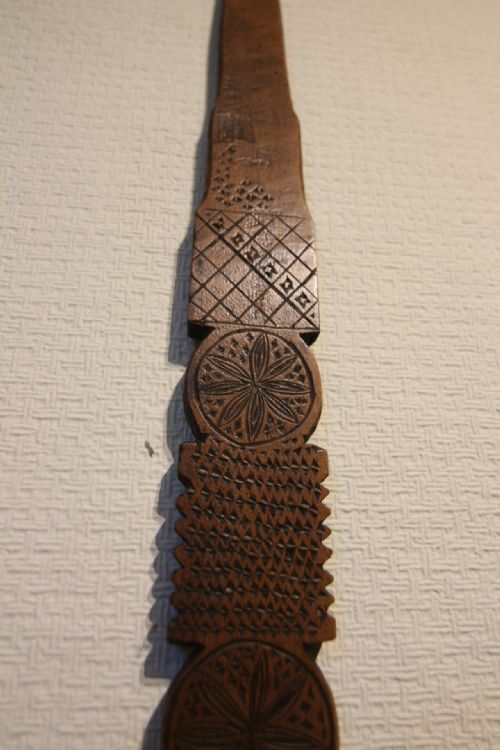
The assortment includes functional implements associated with textile production, such as carved wood printing blocks, spinning wheels, and distaffs, alongside finished wall art. These objects represent both the tools of creation and the final masterpieces of textile heritage.
Materials and construction techniques
Makers utilised natural fibres including wool, silk, cotton, and linen as the foundational canvas for embroidery, crewelwork, and weaving. Metal thread frequently appears alongside silk in European tapestries and panels to add reflective detail.
Complex construction techniques define these works, from the heavy hand-weaving of Flemish and Aubusson verdure tapestries to the intricate needlework of Suzanis and crewelwork panels. Wood and brass are also present in the physical framework of printing blocks and spinning wheels.
Geographic origins represented include France, England, India, Central Asia, and Flanders across various centuries.
Distinctions in quality
Quality rests upon the density of the weave, the complexity of the stitch work, and the preservation of the original fibres over centuries. Finely executed needlework displays tight, uniform tension and subtle colour gradation within complex pictorial scenes.
The artistic merit of the composition distinguishes standard examples from exceptional pieces, particularly in pictorial narratives, classical grotesques, and floral motifs. Original scale and structural integrity further elevate the standing of antique panels and tapestries.
The Decorative Textile Art Glossary
- Suzani
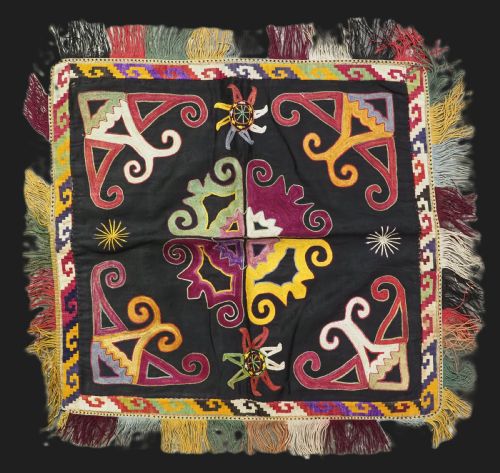
- An embroidered tribal textile originating from Central Asia, traditionally made as part of a bride's dowry. These pieces frequently feature bold floral roundels worked in silk on a cotton or linen ground.
- Verdure tapestry
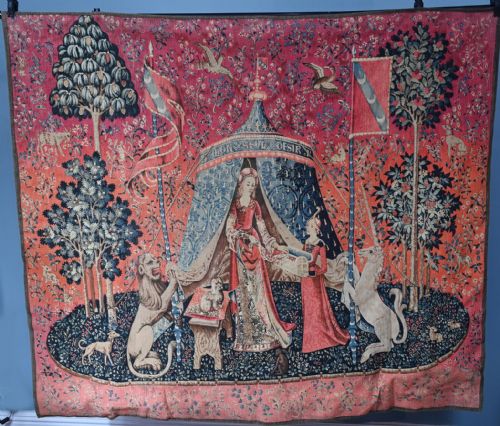
- A woven wall hanging depicting lush foliage, trees, and landscapes, often populated by birds or animals. Originating largely in Flanders and France during the seventeenth and eighteenth centuries, these scenes utilise varied green and earthy tones.
- Crewelwork
- A type of embroidery executed with wool yarn on a heavy linen or cotton twill foundation. This technique allows for textured, high-relief patterns common in Jacobean and later domestic panels.
- Kalamkari
- A traditional type of hand-painted or block-printed cotton textile from India. These works often depict mythological narratives and temple scenes using natural dyes.
- Kilim
- A flat-woven carpet or rug produced in regions including the Caucasus and Western Asia. When utilised as wall art, these nomadic pieces display geometric tribal motifs.
Decorative Textile Art: Frequently Asked Questions
How do I hang heavy antique textiles?
Large tapestries and embroidered panels require even distribution of weight across the upper edge to prevent strain on aged fibres. Professional conservators often recommend using a velcro mounting system or a padded wooden batten.
Direct attachment through the fabric with nails or tacks must be avoided because it tears fragile threads. Enclosing smaller panels behind UV-protective glass offers additional shielding from environmental dust and light exposure.
How do I clean antique textile art?
Routine maintenance is limited to gentle surface dust removal using a soft brush with low suction through a protective mesh screen. Aggressive washing or chemical spot cleaning damages historical dyes and weakens degraded silk or wool.
Specialist textile conservators should handle any deep cleaning or structural repairs required for centuries-old wall hangings. Keeping pieces away from direct sunlight prevents fading in natural wool and silk fibres.
What is a printing block used for?
Wooden textile printing blocks served as stamps for applying patterned dyes onto fabrics by hand. Carvers cut intricate floral or geometric designs into the wood face to repeat motifs across yards of material.
Today, these carved blocks are collected and displayed as sculptural wooden objects or wall art in their own right. They demonstrate the mechanical process behind traditional block-printed fabrics.
How do I date an antique tapestry?
Dating relies on stylistic analysis of the border designs, costume details, and woven techniques compared against documented historical examples. Flemish verdure pieces from the seventeen-hundreds display different border motifs than sixteenth-century Renaissance works.
Material composition and the specific palette of natural dyes also provide clues regarding the geographic origin and period of production. Examining the reverse side reveals the hand-spun nature of the wool and linen warps.