


Decorative Stained Glass Panel
These decorative stained glass panel pieces bring rich colour and historic character to a room, offering both privacy and a display of traditional craftsmanship.
Decorative Stained Glass Panel
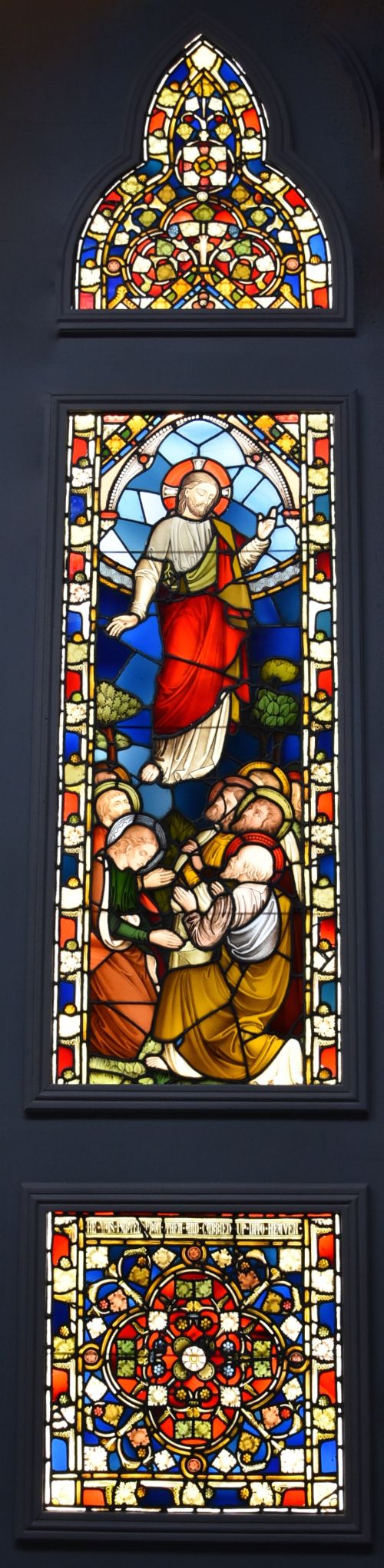
A decorative stained glass panel brings together coloured glass, lead cames, and painted details to form pictorial or geometric compositions. When you search for a decorative stained glass panel, you encounter architectural salvage originating from Victorian, Edwardian, and early twentieth-century buildings.
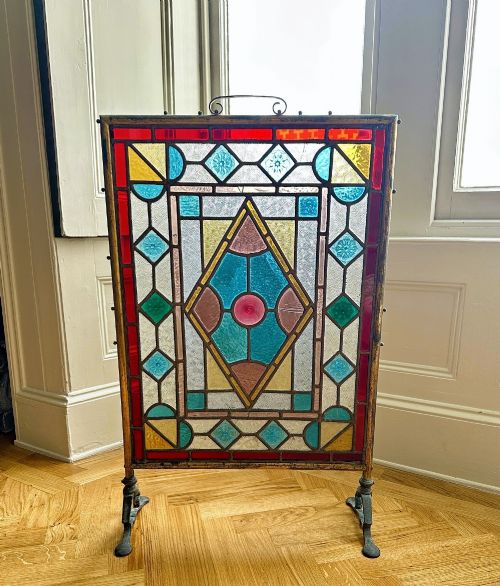
The selections range from large mid-nineteenth-century triptychs and firescreens on iron stands to domestic windows featuring hand-painted countryside scenes, botanical studies, and figurative subjects like Dutch children or Shakespeare emblems.
Many items utilise traditional timber or pine wood frames, while others present as standalone panels designed for interior hanging or architectural insertion. The prevailing styles draw upon Gothic Revival, Arts and Crafts, Art Nouveau, and 1930s Dutch folk art traditions.
Materials and construction techniques
Construction relies heavily on lead cames joining individual pieces of coloured and clear glass, supplemented by iron supports in larger architectural formats and wooden or timber frames for domestic windows. Artisans utilised hand-painted enamels and etching techniques directly onto the glass surface to render detailed figures, landscapes, and floral motifs.
Materials such as pine wood and standard timber provide structural housing for the leaded glazing, while specific variants incorporate bullseyes and textured glass to manipulate incoming light.
Decorative Stained Glass Panel Retail Price Guide 2026
Typical asking prices for decorative stained glass panel among the pieces listed under this phrase on Sellingantiques today, from the lower quarter to the upper quarter. They describe what is for sale here now, not the wider market.
A solitary fox and parrot door window waits among the scenes of tranquil lakes and Dutch children.
Distinguishing quality in period glazing
Quality rests in the complexity of the hand-painted detail, the intricacy of the leadwork arrangement, and the artistic merit of the pictorial composition. Pieces featuring nuanced brushwork in landscape or figurative scenes generally represent the higher tier of workmanship.
The preservation of the original timber framing and the structural stability of the lead matrix also influence the overall character and integrity of the surviving piece.
The Decorative Stained Glass Panel Glossary
- Came
- A slender, grooved strip of lead used to hold pieces of glass together in a window or panel. These strips form the structural grid and outline the pattern of the design.
- Bullseye
- A small, circular centre piece of blown glass showing a concentric ripple pattern. They appear in historic windows to add texture while letting light through.
- Triptych
- A panel or altarpiece divided into three sections, usually hinged or displayed together. In glasswork, this refers to large-scale multi-panel compositions.
- Etched glass
- Glass that has been treated with acid or abrasive methods to remove surface layers and create opaque designs. This technique allows for subtle tonal shading in pictorial windows.
Decorative Stained Glass Panel: Frequently Asked Questions
How do I hang a stained glass panel?
Panels are typically hung using sturdy picture wire or chain attached securely to structural window frames or wall anchors rather than standard picture hooks. Because leaded glass carries significant weight, the hanging mechanism must engage directly with the outer wooden frame.
For interior wall display, positioning the panel in front of a light box or a naturally bright window ensures the colours and painted details remain clearly visible.
Can these panels be installed in exterior walls?
Many of these pieces originated as exterior windows, but antique leaded glass often requires professional releading or secondary glazing for modern weatherproofing. Inserting an older panel into an exterior frame exposes fragile historic lead to wind pressure and thermal movement.
Consulting a specialist glazier helps determine if a particular piece can withstand outdoor conditions or if it is better suited for interior decorative placement.
How do I date a decorative glass panel?
Dating relies on stylistic clues, subject matter, and the framing materials associated with specific periods like the Victorian era, Edwardian period, or the 1930s. Art Nouveau motifs and specific pictorial themes often align with the turn of the twentieth century.
Examining the type of glass, the patina on the lead cames, and the construction of the timber surrounds provides further context for the manufacturing period.
How do I clean antique stained glass?
Dusting gently with a soft, dry cloth prevents the accumulation of grime without risking damage to fragile painted surfaces or aged lead. Moisture should be used sparingly, and abrasive cleaning agents must be avoided entirely.
Harsh chemicals can strip hand-painted enamels or corrode the old lead cames, so mild soap and water applied with extreme care is the safest approach for occasional washing.