


Decorative Silver Mirror
A decorative silver mirror brings depth and light into a room, utilising reflective surfaces and metallic finishes shaped by centuries of design.
Decorative Silver Mirror
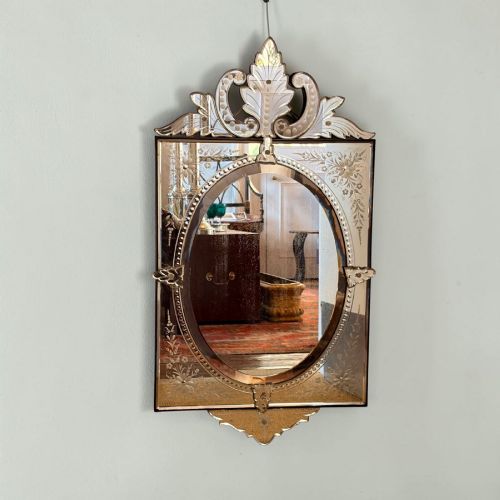
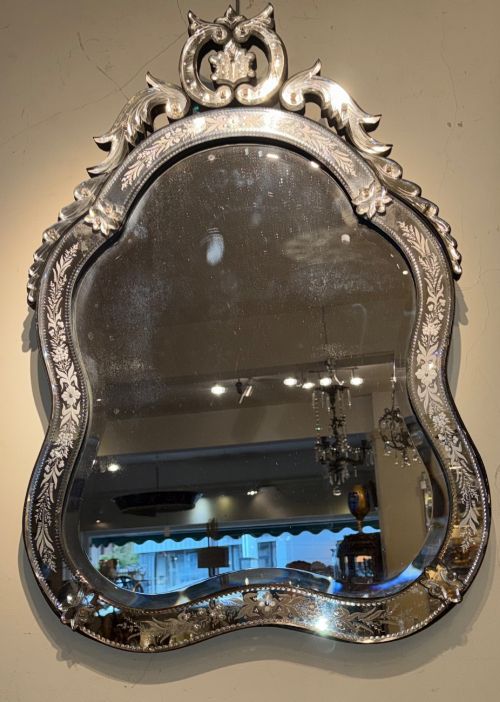
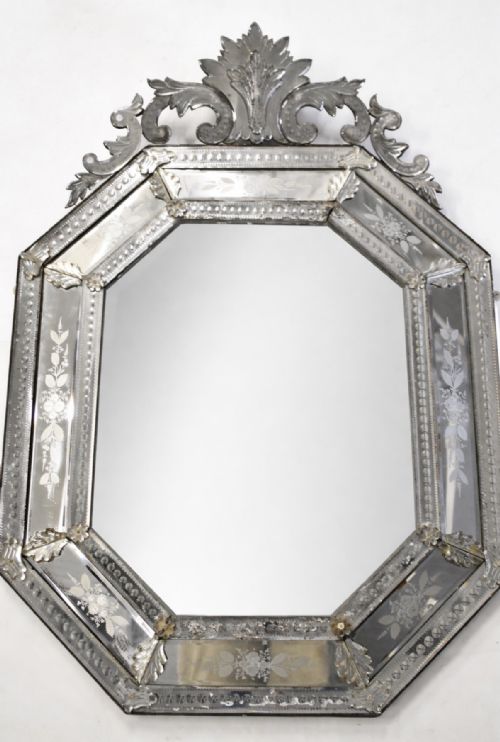
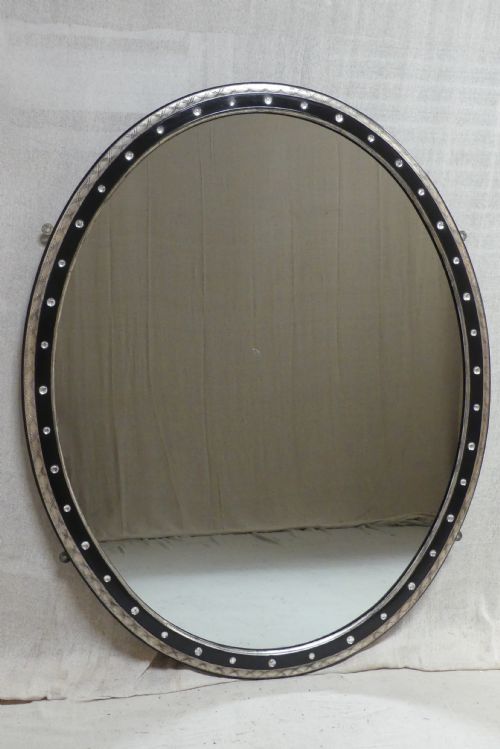
A decorative silver mirror encompasses wall hanging pieces, overmantels, and dressing table accessories produced across the nineteenth and twentieth centuries. Buyers searching for a decorative silver mirror encounter diverse regional forms, from Venetian glass plates to French carved wood and gesso frames.
The selection frequently includes nineteenth-century cushion mirrors and carved Italian examples finished with silver leaf or painted surfaces. Edwardian and later twentieth-century interpretations also appear, spanning Art Deco designs and Arts and Crafts brass-framed pieces.
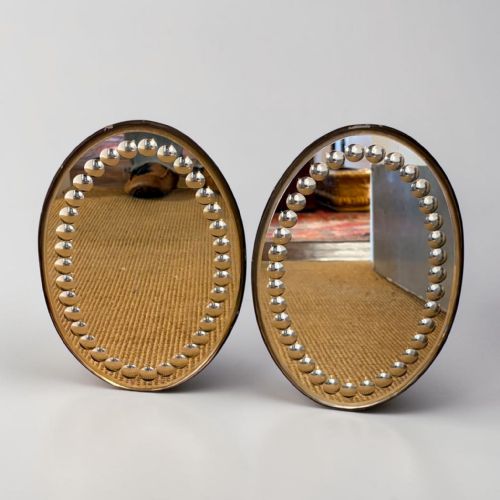
Overmantel mirrors and wall mirrors dominate the available selection, offering substantial scale for domestic interiors. Smaller hand mirrors and plateau pieces further broaden the scope of silver-finished reflective items.
How they were made
Frames rely heavily on carved wood and gesso foundations, built up and shaped before receiving applications of silver leaf, paint, or gilding. This layered construction permits intricate moulding and relief work visible on French and Italian pieces.
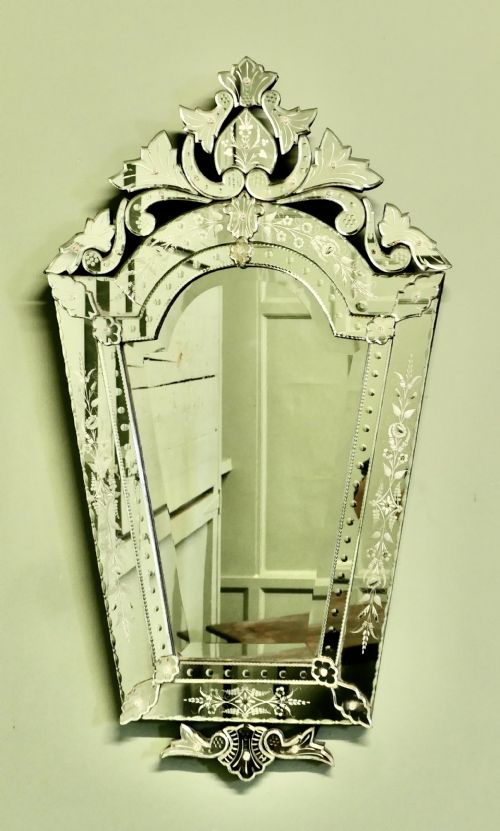
Glass production involves silvered glass and mirrored plates, occasionally etched or assembled in sections as seen in Venetian styles. Supporting structures utilise timber, brass, and ebonised elements to secure the heavy reflective panels.
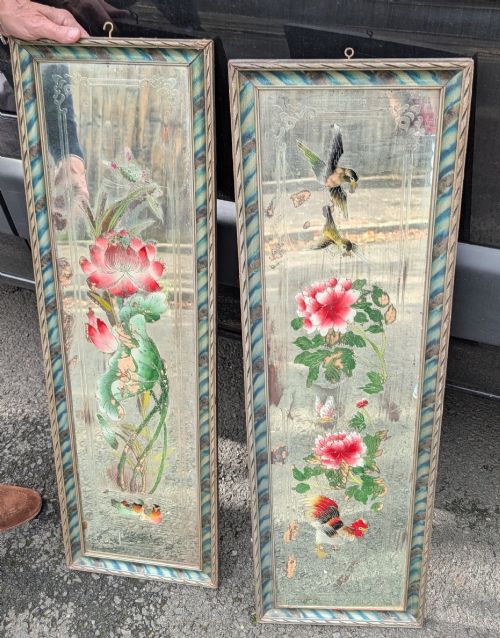
Regional styles represented include Venetian, Chinoiserie, Art Deco, and French Louis XVI design influences.
What varies in quality
The integrity of the original surface finish distinguishes standard items from superior examples. Hand-applied silver leaf, gesso modelling, and the depth of the carved wooden details dictate the visual impact of the frame.
The condition and character of the glass plate itself determine refinement, particularly where bevelled edges, hand-etching, or original silvering retain their historical depth. The cohesion between the frame design and the reflective glass establishes the overall execution.
A.J Rowley
The Decorative Silver Mirror Glossary
- Gesso
- A plaster-like mixture applied to wood frames to create a smooth surface for gilding or painting. This material allows artisans to carve intricate decorative reliefs.
- Silver Leaf
- Thin sheets of beaten silver applied to a prepared surface to simulate solid metal. It develops a distinct patination over time.
- Overmantel Mirror
- A large mirror designed specifically to hang above a fireplace mantel. These pieces often feature extended horizontal proportions.
- Cushion Mirror
- A mirror style featuring a convex or sloping outer frame paneled with angled sections of glass. Venetian examples frequently employ this configuration.
- Guilloche Enamel
- Decorative metalwork covered in translucent enamel over an engine-turned pattern. It frequently appears on smaller dressing table items.
Decorative Silver Mirror: Frequently Asked Questions
Where should I hang a large overmantel mirror?
These pieces sit naturally above a fireplace, anchoring the vertical space of a room. Their reflective surface captures light from surrounding windows to brighten the interior.
Ensure the wall structure securely supports the weight of the timber and glass frame. Positioning them opposite a window maximises the distribution of natural daylight.
How do I clean an antique silvered glass?
Use a dry, soft microfiber cloth to gently remove dust from the frame and glass surface. Avoid liquid cleaners that might seep behind the glass plate or damage the delicate silver leaf.
Take care around areas of original gesso and distressed painted finishes. Preserving the existing patination requires minimal intervention.
What defines Venetian style mirrors?
Venetian pieces typically feature engraved glass plates mounted onto wooden foundations with decorative glass elements. Floral motifs and intricate border sections define their distinctive appearance.
These mirrors rely on assembled glass segments rather than a conventional heavy wooden frame. The technique emphasises luminosity and reflective complexity.
Are these mirrors suitable for bathrooms?
Humidity and moisture can affect historical wood, gesso, and original silvered surfaces over time. Placing them in dry living spaces or hallways protects the delicate materials.
Environmental stability prevents the lifting of gesso and degradation of the mirror backing. Careful placement ensures the longevity of the decorative finish.