
Decorative Pottery Vase
These decorative pottery vase examples range from earthenware to porcelain across Victorian and Art Nouveau periods, bringing distinct historic character to a room.
Decorative Pottery Vase
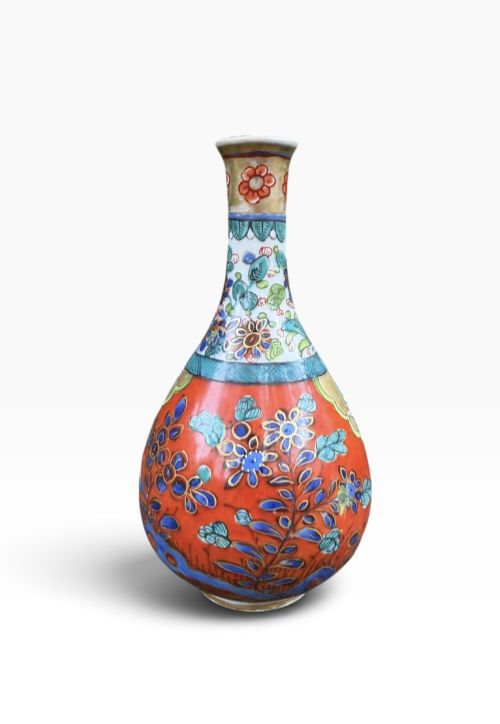
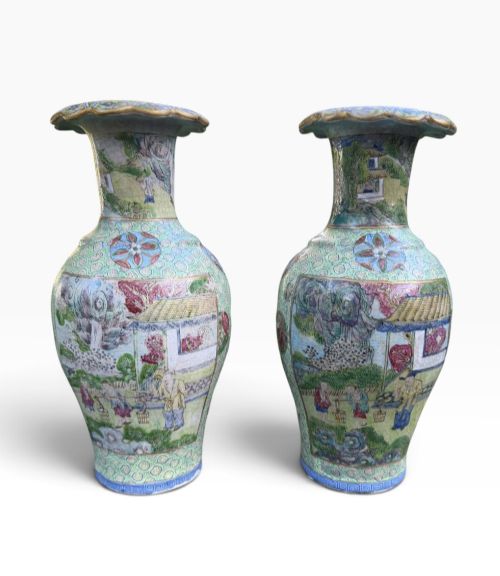
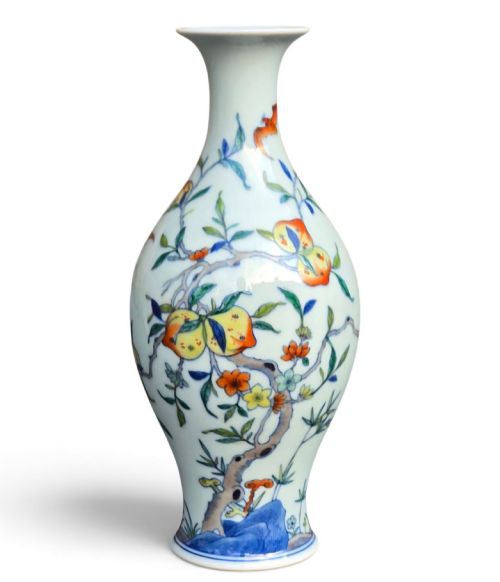
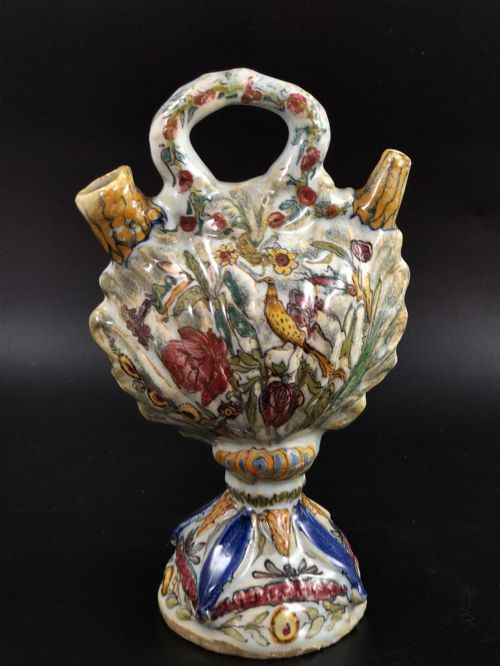
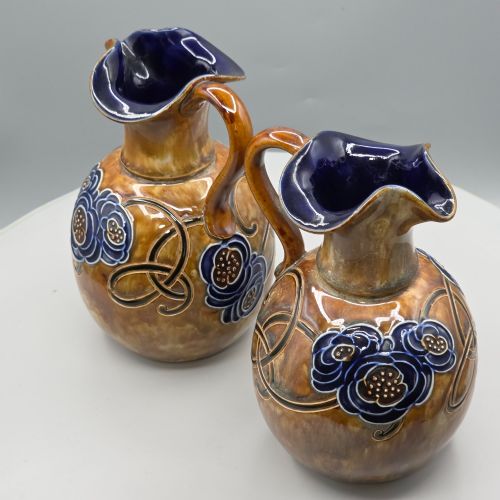
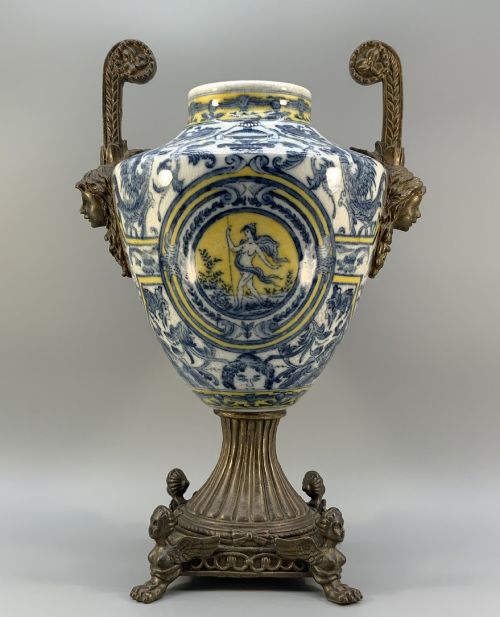
When you search for a decorative pottery vase, you encounter a diverse array of forms spanning the nineteenth century through the early twentieth century. These pieces encompass baluster shapes, ewers, jugs, and pilgrim flasks originating from English, European, and Asian workshops.
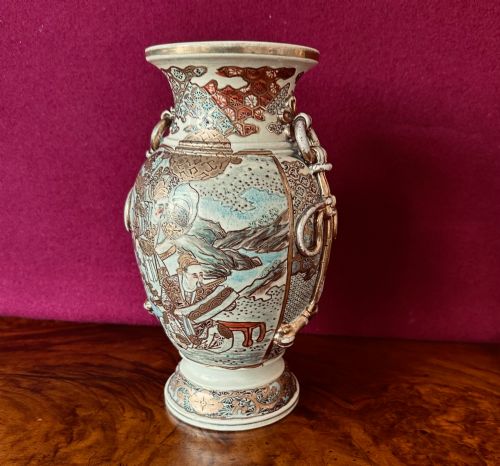
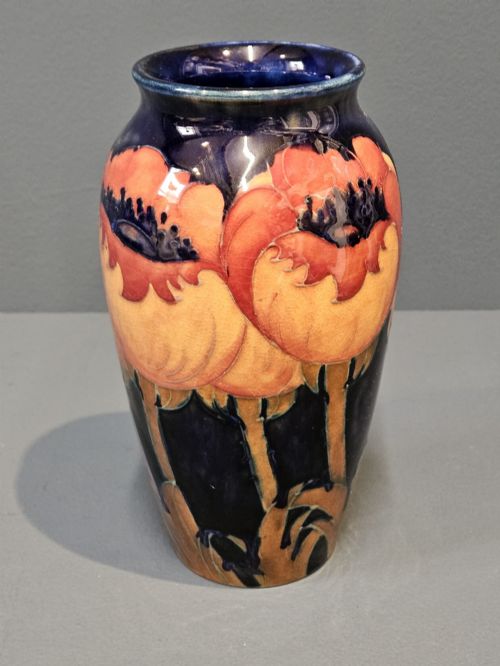
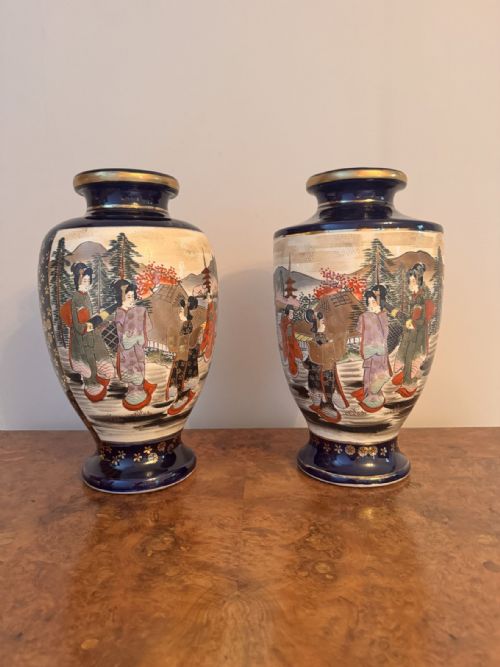
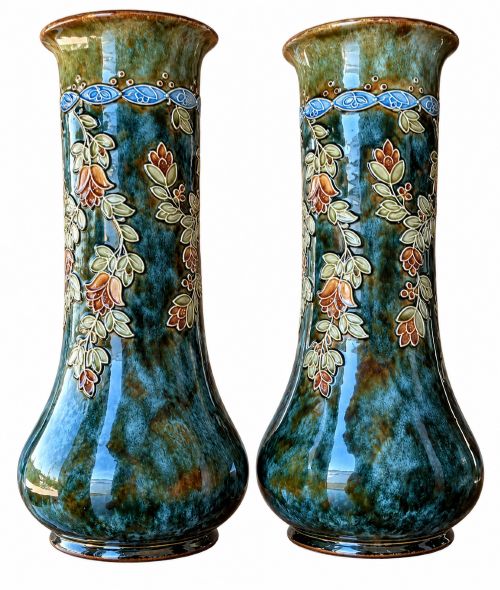
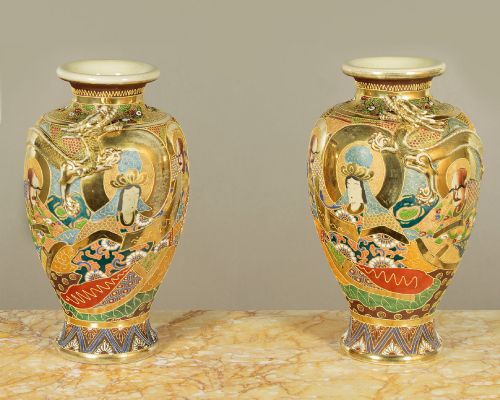
You are most likely to meet stoneware pieces from makers like Royal Doulton and Japanese Satsuma ceramics from the Meiji and later periods on this page. Examples frequently feature applied mounts, handles, or hand-painted botanical and figurative motifs typical of Art Nouveau and Arts and Crafts designs.
The selection ranges from Staffordshire porcelaneous vessels to French faience and Italian majolica. Each piece serves primarily as an ornamental object, reflecting the prevailing aesthetic movements of its decade of manufacture.
How they were made
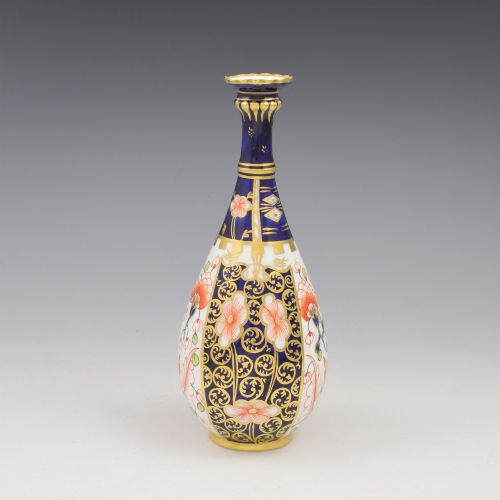
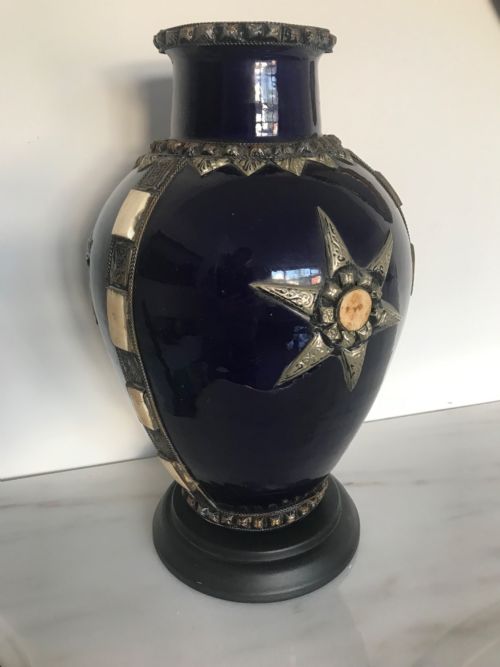
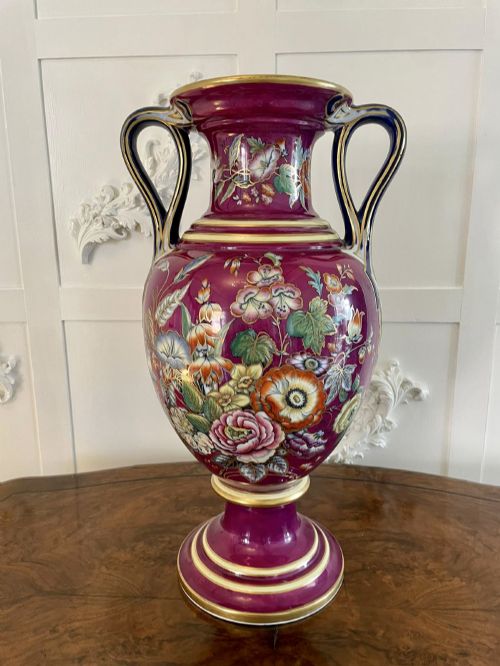
Potters shaped these vessels using earthenware, stoneware, and porcelain bodies, often applying detailed glazes and enamel colours before firing. Many pieces incorporate additional decorative elements such as silver cabochons, bronze mounts, and gold leaf detailing.
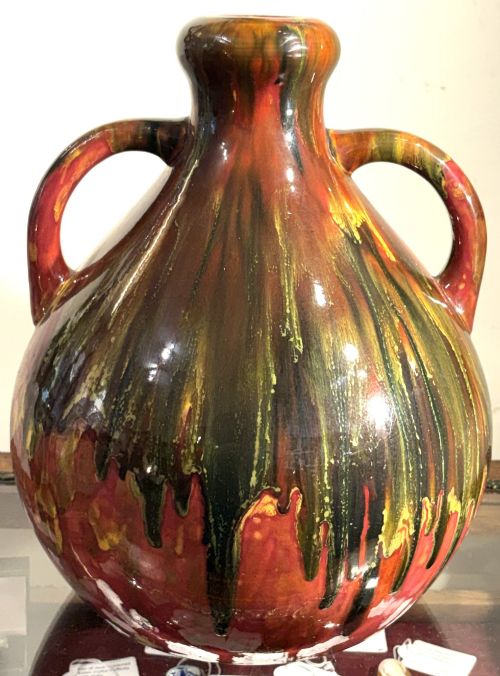
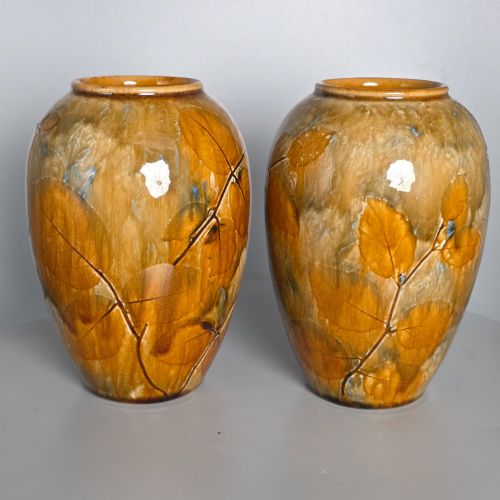
Techniques varied from hand-painted surface decoration, as seen in lustre wares and faience, to intricate raised slip work and applied figures. Makers utilised specialised kilns and glazing processes to achieve copper effects, crackle glazes, and iridescent finishes.
Several pieces include tiny applied figures and secret painted beetles hiding beneath handles, waiting patiently for observant collectors to spot them.
What varies in quality
The standard of a decorative pottery vase depends significantly on the crispness of the moulding and the skill executed in hand painting or enamel work. Finer examples display precise control over glaze reactions and well-defined applied decorative mounts rather than flat or uniform surfaces.
Design complexity and the reputation of the studio or specific artist strongly influence the distinction between standard production pieces and exceptional workshop outputs. Greater attention to detail in secondary elements like handles, bases, and integrated signatures marks out superior examples.
Royal Doulton·Wedgwood·Moorcroft McIntyre·Cantagalli Florence·Boch Freres·Mettlach Pottery·Reissner Stellmacher and Kessel
The Decorative Pottery Vase Glossary
- Majolica
- Opaque tin-glazed earthenware decorated with colourful metallic oxide pigments. This technique produces vibrant surfaces often associated with Italian Renaissance revival styles.
- Stoneware
- A robust, vitreous pottery fired at high temperatures until non-porous. It accepts salt glazes and intricate relief decoration readily.
- Faience
- European tin-glazed earthenware similar to majolica. The term covers various decorative glazed pottery traditions across France and Germany.
- Baluster
- A vase shape characterised by a rounded body that tapers toward the neck. This classical profile provides a stable base for ornate surface patterns.
- Garniture
- A set of matching vases or ornamental vessels designed for display together on a mantelpiece or sideboard. These matched groups typically comprise three or more pieces.
Decorative Pottery Vase: Frequently Asked Questions
How do I identify Art Nouveau vases?
Art Nouveau decorative pottery vases display organic, flowing lines inspired by natural forms, frequently featuring stylized floral or plant motifs.
Look for asymmetric profiles, whiplash curves, and iridescent or matte glazes that characterise the design movement popular around nineteen hundred.
What is Satsuma pottery?
Satsuma pottery is a type of Japanese earthenware traditionally characterised by an ivory-colored, crackled glaze.
These pieces are typically decorated with elaborate polychrome enamels and gold leaf, depicting figures, landscapes, and floral arrangements.
How should I display a ceramic ewer?
Display ceramic ewers on sturdy surfaces where their handles and spouts can be viewed without obstruction from other objects.
Positioning them away from direct sunlight preserves the hand-painted enamel colours and metallic lustre finishes over time.
What distinguishes stoneware from porcelain?
Stoneware is a heavy, dense ceramic fired at high temperatures until it becomes vitrified and completely waterproof without glaze.
Porcelain is finer, whiter, and more translucent, produced from specific kaolin clays and fired to create a delicate yet strong body.