




Decorative Porcelain Display
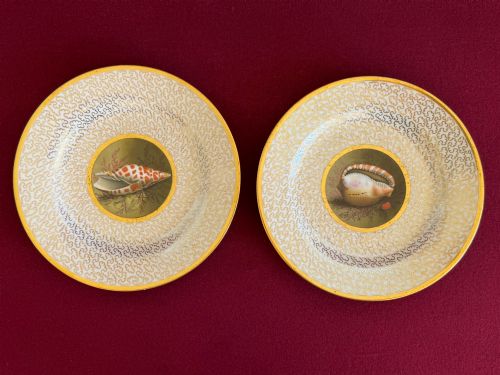
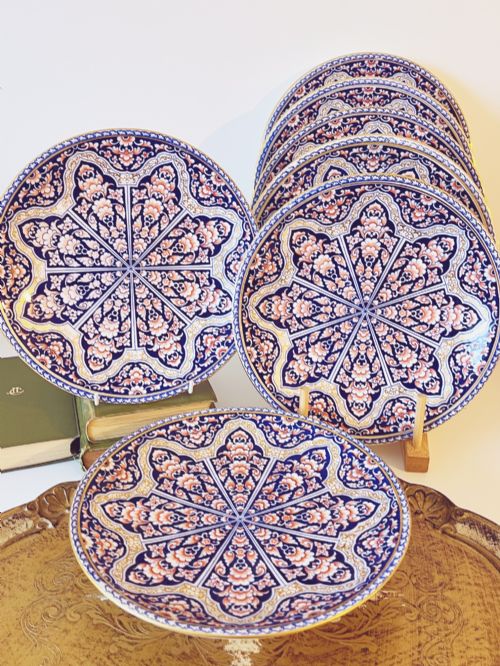
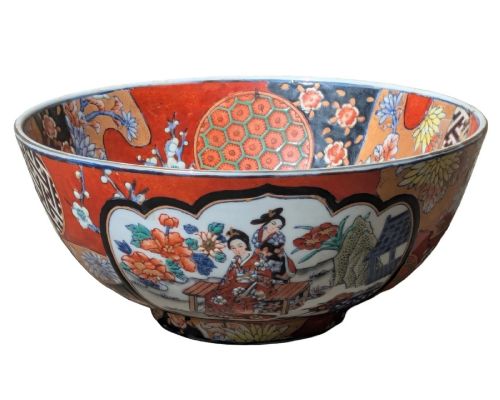
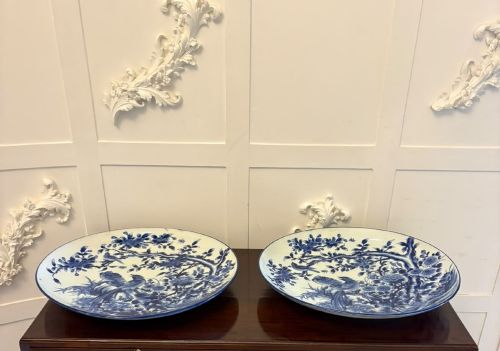
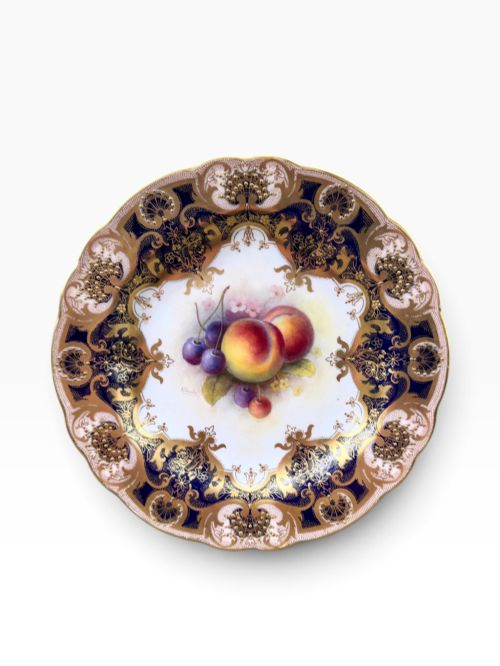
These decorative porcelain display pieces bring colour and craftsmanship to a room, ranging from Japanese Imari chargers to Royal Worcester painted fruit plates.
Decorative Porcelain Display
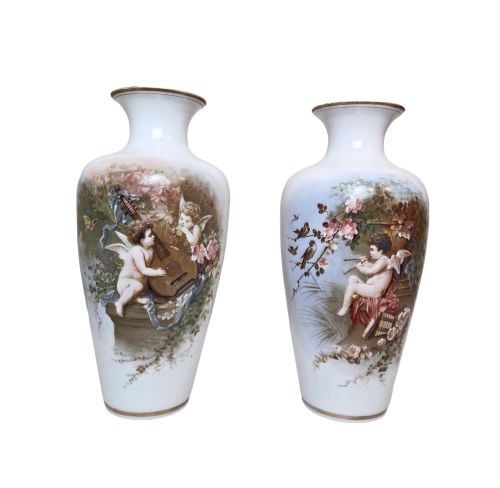
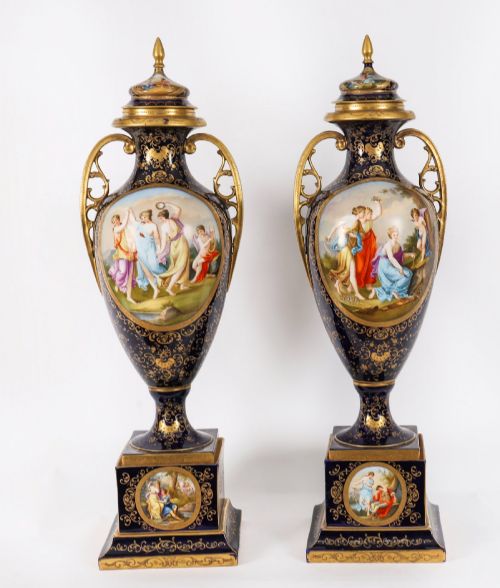
When you search for decorative porcelain display, you encounter a wide variety of plates, bowls, chargers, dishes, and vases intended strictly for visual appreciation rather than daily dining. These objects span several centuries, with particular strength in items from the Victorian, Edwardian, and early twentieth-century periods.
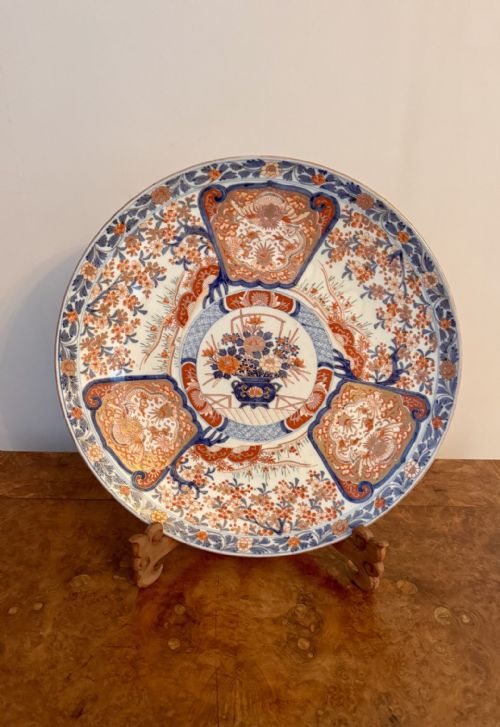
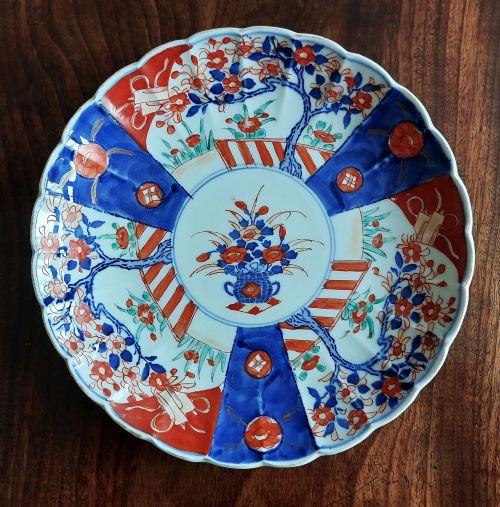
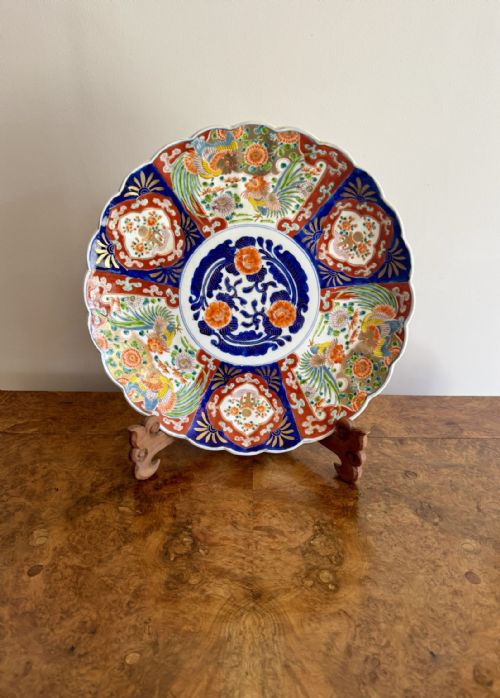
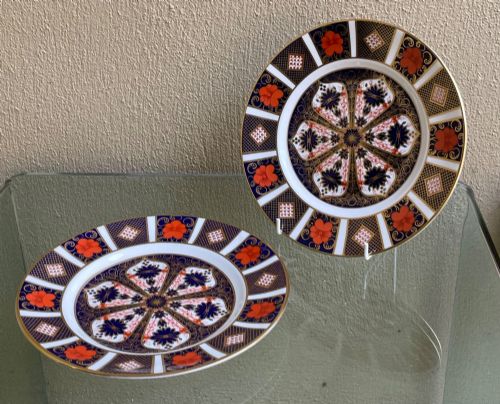
You are most likely to meet Japanese Imari porcelain chargers and plates alongside English factory pieces from Royal Worcester, Royal Crown Derby, and Wedgwood. Forms range from large wall-hanging chargers to cabinet plates resting on stands and footed bowls placed upon tables.
Origins stretch from European houses influenced by French and English taste to Japanese kilns producing intricate export wares in the Meiji and Shōwa periods. Each piece reflects the aesthetic priorities of its era, moving from blue and white transfer printing to heavily gilded hand-painted naturalism.
Materials and technique
The foundation of these objects lies in porcelain, bone china, earthenware, and stone china, fired at high temperatures to achieve durable ceramic bodies. Potters applied smooth glazes to seal the surface, creating an even canvas for subsequent decoration.
Decoration relied heavily on hand-painting, enamel colours, and transfer printing, often enhanced with gold leaf and gilding applied by hand. Specific styles incorporated cobalt blue underglazes, iron-red enamels, and lustrous metallic finishes.
Painters and decorators signed or marked their work on the reverse or base, utilising specialised mineral pigments that required multiple kiln firings to set the colours permanently.
Listings feature 18th-century Delft chargers alongside Victorian and Edwardian cabinet plates, demonstrating centuries of decorative ceramic traditions.
Standards of quality
Quality rests upon the crispness of the porcelain body, the precision of the glaze, and the skill evident in the hand-painted or transfer-printed design. Superior examples display meticulous brushwork, vibrant enamels, and cleanly applied gold leaf without blurring or pooling.
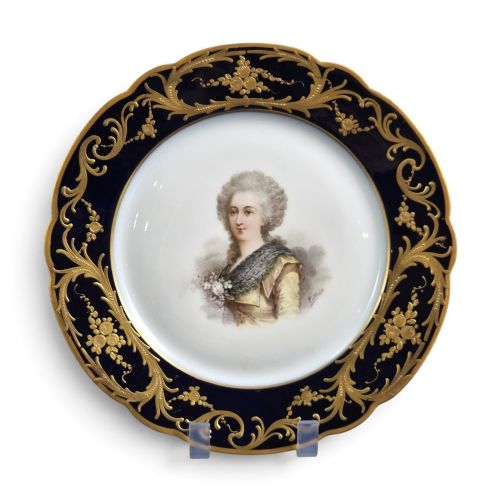
The reputation of the maker and the documented hand of a named artist elevate a piece significantly above standard production wares. Cabinet plates bearing signed artwork from notable porcelain painters demonstrate superior artistic execution compared to standard factory output.
Condition remains paramount, where intact gilding, absence of hairline cracks, and well-preserved surface enamels distinguish museum-grade decorative displays from heavily handled domestic items.
Royal Worcester·Royal Crown Derby·Wedgwood·Spode·Minton·Aynsley·Royal Doulton
The Decorative Porcelain Display Glossary
- Cabinet plate
- A porcelain plate produced primarily for display in a cabinet or on a wall rather than for serving food. These typically feature elaborate hand-painted scenes or rich gilding.
- Charger
- A large decorative plate or dish designed to make a strong visual statement on a wall, table, or sideboard. They often measure substantially larger than standard dining plates.
- Imari
- A traditional Japanese style of porcelain exported from the port of Imari, characterised by a palette of cobalt blue, iron-red, and gold. European factories frequently copied these distinctive colour schemes.
- Bone china
- A type of porcelain composed of ceramic material containing bone ash, known for high mechanical strength and milky translucency. English manufacturers utilised this body extensively for fine cabinet wares.
- Gilding
- The application of gold leaf or gold powder to the surface of porcelain to highlight rims, motifs, and handles. High-quality gilding shows burnished brightness rather than dull flatness.
Decorative Porcelain Display: Frequently Asked Questions
How do I hang a decorative porcelain plate?
Wall-mounted display requires properly fitted wire or spring hangers that grip the rim securely without scratching the glaze or putting undue pressure on the ceramic body. Ensure the wall fixing is anchored firmly, especially when supporting heavy chargers.
Alternatively, consider using a dedicated wall bracket or shadow box specifically built to cradle cabinet plates safely without relying on tension clips.
Can these display pieces be used for food?
Most decorative plates and antique display items are unsuited for modern dining use due to delicate overglaze enamels, older ceramic compositions, and surface gilding that can wear or leach when exposed to cutlery and acidic foods.
Keep these items strictly for visual enjoyment in cabinets, on shelves, or mounted on walls to preserve their delicate finishes.
How do I identify the date of a piece?
Examine the base of the porcelain for factory backstamps, impressed marks, date ciphers, or registration numbers that correspond to manufacturer archive records. Stylistic clues such as colour palettes, aesthetic movement motifs, and artist signatures also help narrow down the period.
Cross-reference any visible painted signatures with known periods of operation for individual decorators active at factories like Royal Worcester.