








Decorative Painted Vases
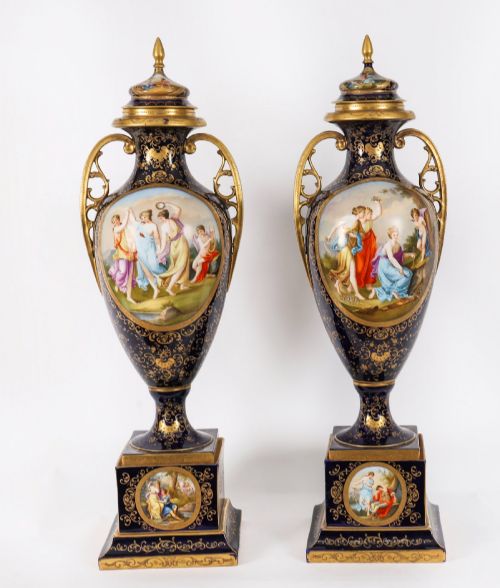
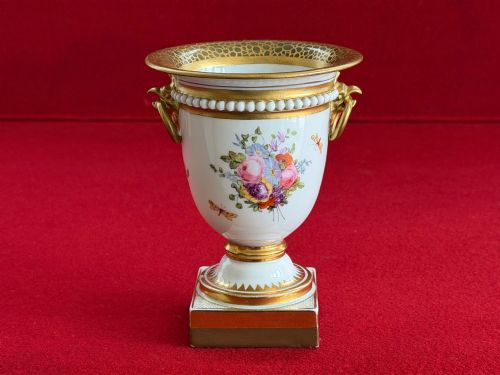
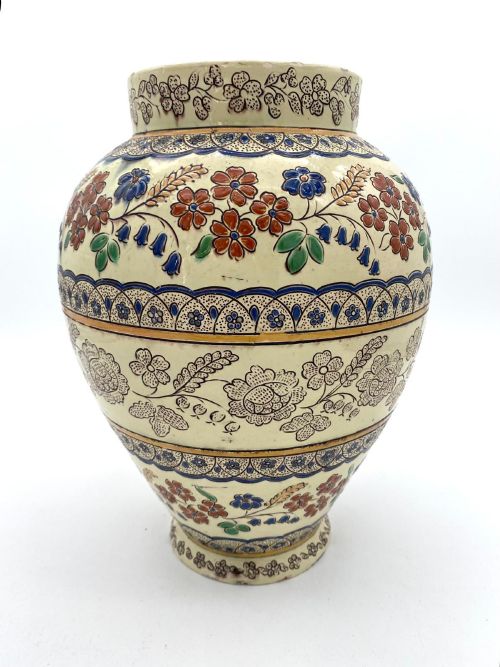
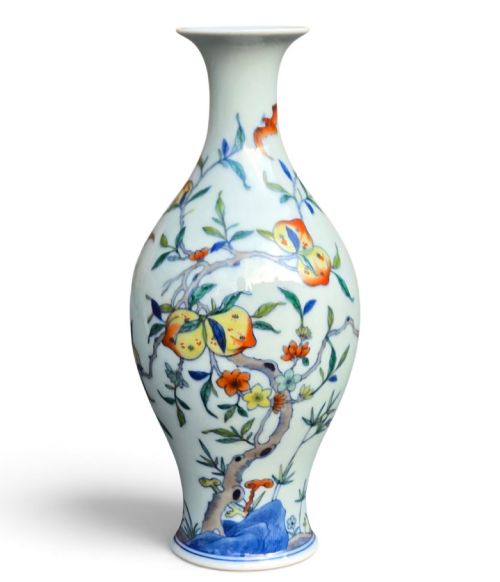
These decorative painted vases bring together centuries of global ceramic craft, hand-finished porcelain, and rich colour.
Decorative Painted Vases
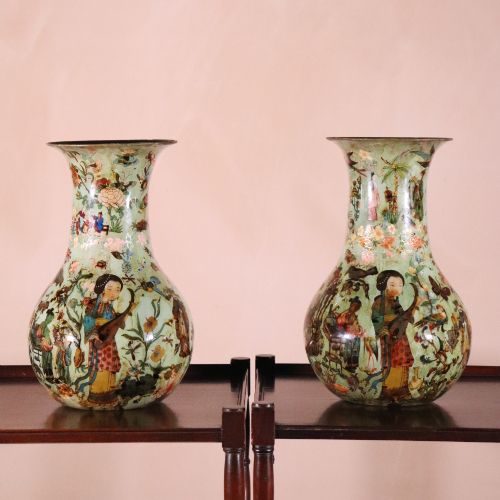
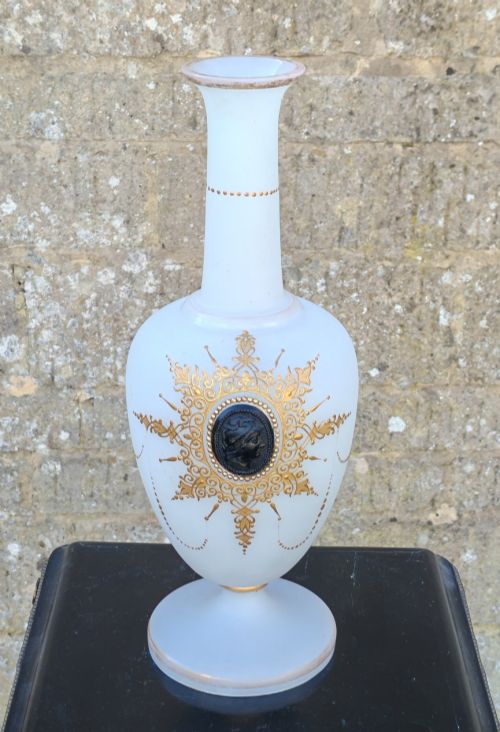
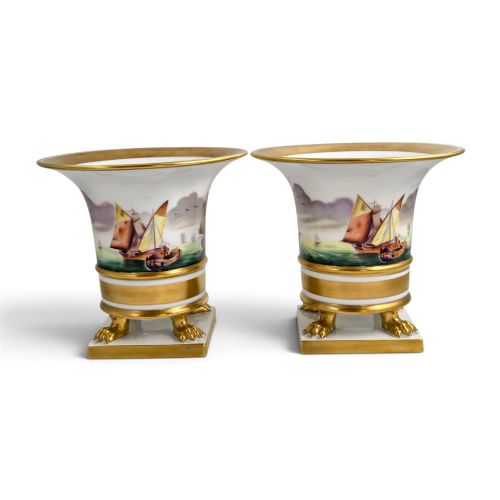
Decorative painted vases encompass a broad spectrum of ceramic, porcelain, earthenware, and glass vessels produced across Europe and Asia. When searching for decorative painted vases, buyers encounter everything from Regency porcelain spill vases and grand nineteenth-century Satsuma floor standing pieces to delicate Chinese Canton enamel and French faience ewers. These vessels take various forms, including moon flasks, garnitures, jardinières, and monumental urns on stands.
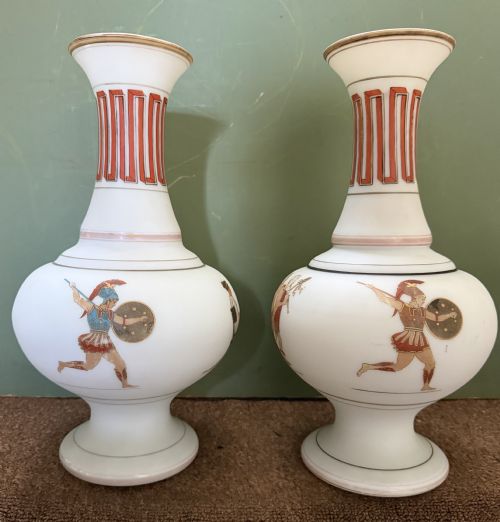
The pieces on this page heavily feature nineteenth-century manufacturing, alongside eighteenth-century items and early twentieth-century examples spanning the Edwardian, Art Deco, and Meiji periods. English porcelain from factories like Worcester and Derby sits alongside Japanese Imari ware, French Sèvres style pieces, and Chinese Famille Rose porcelain. Buyers are most likely to meet pairs of baluster or mantel vases decorated with hand-painted figures, floral vignettes, or landscapes.
How they were made
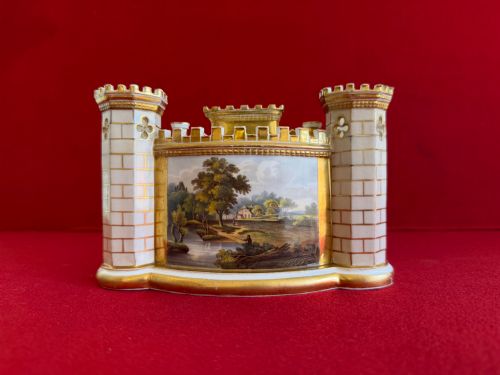
Makers shaped these decorative painted vases using ceramic, porcelain, earthenware, faience, and glass, frequently employing moulds for complex forms such as twin-handled urns or castle spill vases. Potters then applied white or coloured ground layers, including blush ivory, yellow ground, and Bleu Céleste, as a base for subsequent painting.
Artisans decorated the surfaces using hand-painted enamel, intricate gilding, and applied gold leaf. Many pieces received multiple firings to fix delicate pigments, polychrome figural scenes, and intricate botanical motifs before a protective transparent glaze sealed the finished artwork.
Decorative Painted Vases Retail Price Guide 2026
Typical asking prices for decorative painted vases among the pieces listed under this phrase on Sellingantiques today, from the lower quarter to the upper quarter. They describe what is for sale here now, not the wider market.
A porcelain castle spill vase brings miniature masonry straight to the mantelpiece.
What varies in quality
The distinction between standard production and the highest grade lies in the precision and complexity of the hand-painting. Superior decorative painted vases exhibit finely detailed figural vignettes, crisp botanical studies by named artists, and carefully controlled polychrome enamel work rather than stencilled transfers.
Material quality and mounting also dictate standard versus exceptional pieces. Top-tier examples utilise substantial porcelain bodies, rich raised gilding, flawless glaze applications, and period bronze mounts, often bearing factory marks from renowned makers.
Flight Barr and Barr·Royal Crown Derby·Royal Worcester·Moorcroft McIntyre·Doulton Lambeth·Helena Wolfsohn Dresden
The Decorative Painted Vases Glossary
- Faience
- Tin-glazed earthenware produced across Europe, particularly in France and England, known for painted decorative surfaces. Pieces often feature opaque white grounds decorated with colourful floral or figural motifs.
- Imari
- A style of Japanese export porcelain decorated in underglaze blue and contrasting overglaze red, gold, and green. This aesthetic heavily influenced European ceramic production during the nineteenth century.
- Garniture
- A set of three or more matching vases or urns designed to be displayed together on a mantelpiece or cabinet. These matching sets often comprise a central large vessel flanked by smaller symmetrical counterparts.
- Moon Flask
- A flattened circular flask with a short neck and two small handles, derived from ancient pilgrim flask forms. Potters frequently utilised this shape for Chinese Famille Rose and European painted decorative pieces.
- Spill Vase
- A small, narrow cylindrical vessel originally used to hold wooden spills for lighting candles or fires. English makers produced these in porcelain and earthenware, often moulding them into figurative or architectural shapes.
- Famille-Rose
- A palette of Chinese porcelain enamels dominated by opaque pink or rose colours, introduced during the Qing dynasty. Artisans used these soft tones to render naturalistic flowers, birds, and figures.
Decorative Painted Vases: Frequently Asked Questions
What are decorative painted vases?
These are ornamental vessels fashioned from porcelain, earthenware, glass, or enamel, finished with hand-painted motifs, gilding, and coloured glazes.
They span multiple centuries and global traditions, ranging from English Regency porcelain to Japanese Satsuma ware and Chinese export ceramics.
How were these vases used?
While some vessels served practical functions like holding water for flowers or storing provisions, many were purely ornamental display pieces.
Large garnitures and floor-standing vases adorned grand drawing rooms, mantelpieces, and halls as symbols of taste and wealth.
How do I live with antique vases?
Place them on stable surfaces away from direct sunlight and high-traffic areas to protect fragile painted enamels and delicate gilt highlights.
Pairing matching pairs as mantel ornaments or displaying single moon flasks on dedicated tables highlights their sculptural forms.
How do I tell periods apart?
Stylistic clues, such as the naturalistic florals of Edwardian blush ivory or the rigid geometry of Art Deco pieces, help determine a vase's age.
Examining the glaze type, potting weight, and any remaining factory marks or pattern numbers further narrows down the date.