



Decorative Painted China Vase
A decorative painted china vase brings a room to life through hand-painted scenes and gilding.
Decorative Painted China Vase
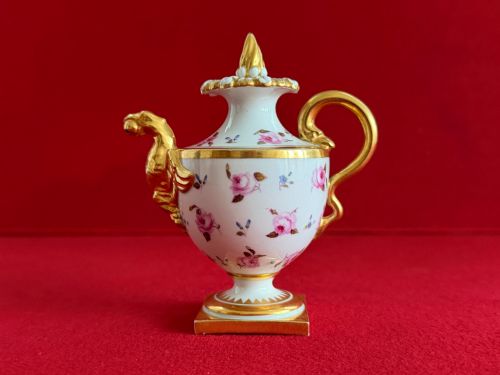
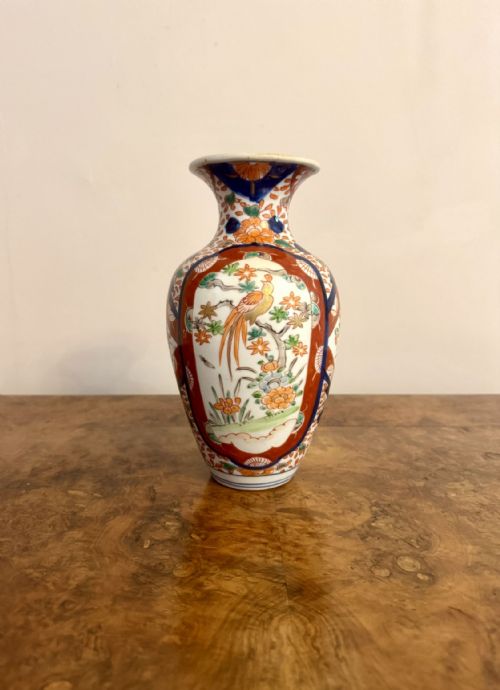
A decorative painted china vase is typically found in forms such as urns, ewers, and pot pourri vessels originating from periods ranging through the nineteenth and twentieth centuries. These pieces encompass English porcelain works from factories like Royal Worcester and Coalport alongside Regency productions and Japanese Imari styles.
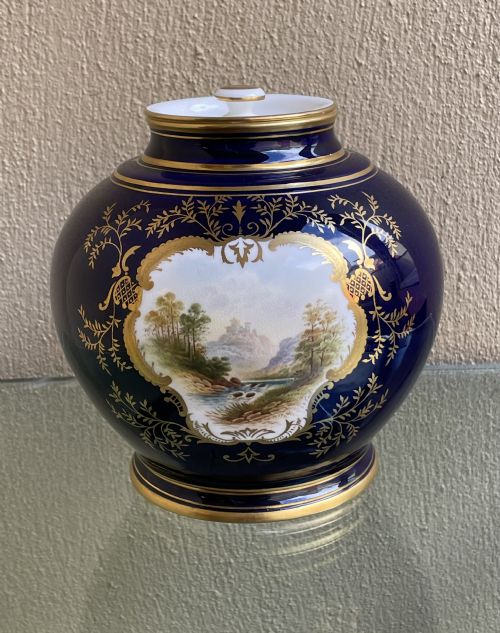
The most common examples encountered on this page date from the Victorian, Edwardian, and mid-twentieth century eras. They often feature hand-painted imagery depicting fruit, landscapes, birds, and cattle, accompanied by traditional handles, covers, and pedestal bases.
Materials and methods
These pieces are constructed from porcelain and bone china, providing a smooth white ground suited to detailed miniature painting. Artisans applied enamel colours by hand to depict complex natural subjects.
Gilding, gold leaf, and gold gilt accents were added to rims, handles, and borders, sometimes combined with brass mounts. Certain works also incorporated blush ivory techniques to achieve soft background tones.
Listings span the nineteenth century through the 1960s, featuring porcelain, bone china, enamel, and gold leaf.
Distinguishing quality
The standard of a decorative painted china vase rests upon the skill of the artist responsible for the painted scenes. Named artists working for established factories demonstrate superior brushwork and compositional control compared to unmarked or standard production pieces.
The integration of elaborate gilding and the crispness of the porcelain moulding further differentiate finer examples. Signed works by known painters command particular attention for their artistic execution.
Flight, Barr & Barr·Royal Worcester·Coalport·Spode·Royal Crown Derby
The Decorative Painted China Vase Glossary
- Pot pourri vase
- A vessel featuring a pierced or perforated cover designed to diffuse scent from dried plant material within a room.
- Ewer
- A large jug with a wide spout and looped handle, frequently produced as an ornamental piece rather than for practical use.
- Gilding
- The application of gold leaf or gold powder to the ceramic surface to highlight decorative borders and handles.
- Blush ivory
- A matte cream ceramic body developed by Royal Worcester to simulate the tone of ivory before painting and gilding take place.
Decorative Painted China Vase: Frequently Asked Questions
What are painted china vases used for?
These pieces were primarily created to ornament mantelpieces, drawing rooms, and side tables in grand homes. Certain variants, such as pot pourri vases, served the practical function of scenting domestic interiors.
Over time, their role shifted entirely to display and collection. They remain centrepieces for decorative interior schemes today.
How do I identify the maker?
Makers are typically identified through factory backstamps marked on the underside of the ceramic base. These marks often include specific ciphers or dates indicating the year of production.
Signatures painted directly onto the artwork by individual artists also reveal the maker's workshop and painter.
How do I care for my vase?
Dust these porcelain pieces gently with a soft, dry cloth to protect fragile enamel paints and delicate gold leaf details. Avoid using water or chemical cleaners that might damage the surface decoration.
Keep them positioned away from direct sunlight and areas prone to accidental knocks or vibrations.
What styles are available?
The selection includes Victorian and Edwardian examples alongside Regency productions and Japanese Imari designs. Many feature naturalistic motifs such as Highland cattle, fruit, birds, and floral arrangements.
Forms range from traditional urns and ewers to specialised loving cups and covered pot pourri jars.