


Vintage Ceramic Flower Urn
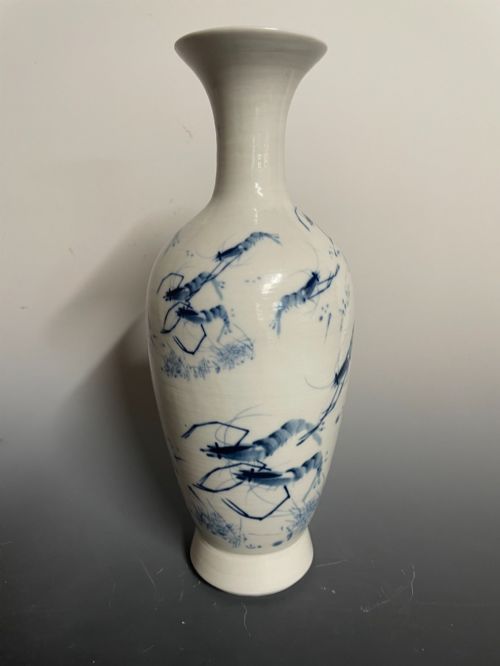
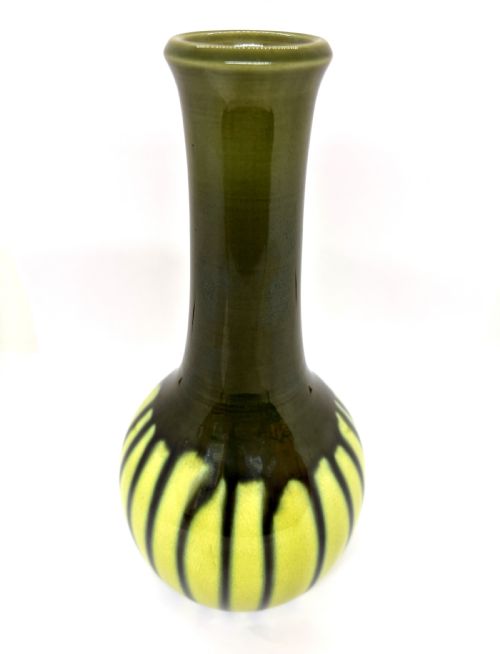
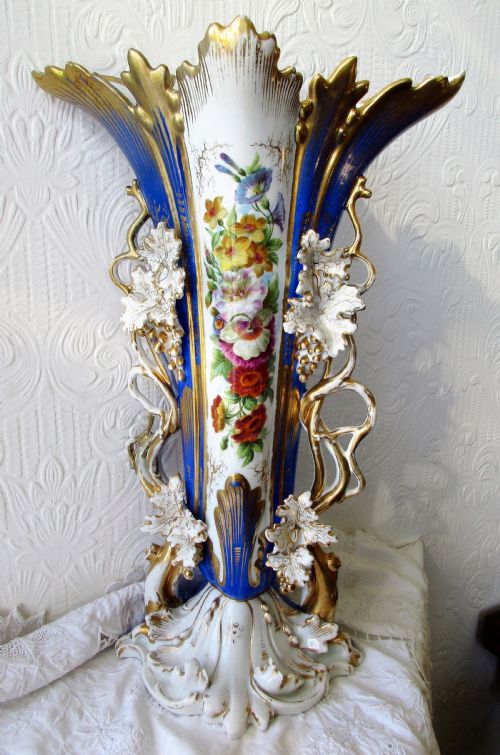
These vintage ceramic flower urn pieces bring classic floral display to a room, offering sculptural form and hand-painted detail from the nineteenth and twentieth centuries.
Vintage Ceramic Flower Urn
A vintage ceramic flower urn represents a diverse group of vessels designed to hold cut blooms or stand alone as decorative objects. The selection spans the nineteenth century through the mid twentieth century, drawing from English potteries, French ateliers, and continental manufacturers.
Buyers will encounter various forms ranging from twin-handled garden ornaments and posy vessels to tall decorative vases and baluster shapes. The pieces reflect distinct periods including the Victorian era, Edwardian period, Art Nouveau, and Art Deco movements.
Origin points include major English names like Royal Doulton and Royal Worcester alongside Poole Pottery, Moorcroft, and continental works from Paris and Vienna. Traditional Chinese and Japanese Imari styles also appear within the ceramic and porcelain mediums.
How They Were Made
Potters shaped these vessels using earthenware, porcelain, stoneware, and ironstone, applying glazing and enamel techniques to seal and decorate the clay. Salt glazing and lustre treatments introduced specific surface textures and metallic sheens during firing.
Decoration relied heavily on hand-painted floral motifs, raised white enamel, and gold leaf or gilt accents applied over the fired ceramic body. Artisans frequently utilised patent methods such as Slater's patent or transfer printing alongside freehand brushwork.
Exotic birds peer out from nineteenth-century enamel glazes, keeping watch over stray floral stems.
What Varies in Quality
Quality rests upon the precision of the hand-painted decoration, the crispness of moulded twin handles or relief details, and the sophistication of the glaze. Works bearing the touch of known designers or specific studio painters demonstrate superior artistic execution.
The weight and finish of the ceramic body, from delicate old Paris porcelain to robust salt-glazed stoneware, dictate the durability and refinement of the vessel. Pairs and matching sets hold distinct standing compared to single items due to the difficulty of preserving complete suites.
Burmantoft's Pottery·Samson Paris·Royal Doulton·Turn Vienna·Jacob Petit·Poole Pottery·William Moorcroft·Charlotte Rhead·Royal Worcester
The Vintage Ceramic Flower Urn Glossary
- Posy vase
- A small vessel specifically scaled for holding short-stemmed cluster arrangements of flowers. These compact pieces often feature narrow necks or specialised rims to support small posies.
- Jardiniere
- A large ornamental pot or urn designed to hold a live potted plant rather than cut stems. They frequently sit on tables or plant stands within interior spaces.
- Stoneware
- A robust ceramic fired at high temperatures until vitrified, making it dense and impermeable. It accepts salt glazing and textured treatments effectively.
- Enamel
- Opaque vitreous material fused to the ceramic surface to create raised coloured patterns and floral details. It adds tactile dimension to the decorated body.
- Lustre
- A type of ceramic glaze containing metallic oxides that produce an iridescent, reflective sheen upon firing. This finish shifts in appearance under changing light.
Vintage Ceramic Flower Urn: Frequently Asked Questions
Can I use these urns for fresh flowers?
Many vintage and antique vessels can hold water safely, particularly glazed stoneware and heavy porcelain pieces. Check the interior for any hairline cracks or historical repairs before filling.
Use a small glass or plastic liner inside fragile earthenware or porous ceramic urns to protect the historical body from moisture damage. Empty and dry the vessel promptly after use.
How do I identify the period of a vase?
Examine the base for maker marks, registration numbers, or printed factory stamps that correlate with specific production dates. Stylistic indicators like Art Nouveau organic lines or Victorian floral painting styles also narrow down the era.
Compare the ceramic composition and glaze characteristics against documented examples from the same pottery. Weight, manufacturing technique, and wear patterns provide further clues to age.
Where should I display a ceramic urn?
Place large urns and jardinieres on sturdy side tables, pedestals, or mantelpieces where their weight and form remain secure. Smaller posy vases suit windowsills or cabinet shelves.
Position pieces away from direct sunlight to prevent fading on hand-painted enamel and gilt decorations. Keep them clear of high-traffic areas to avoid accidental knocks.