


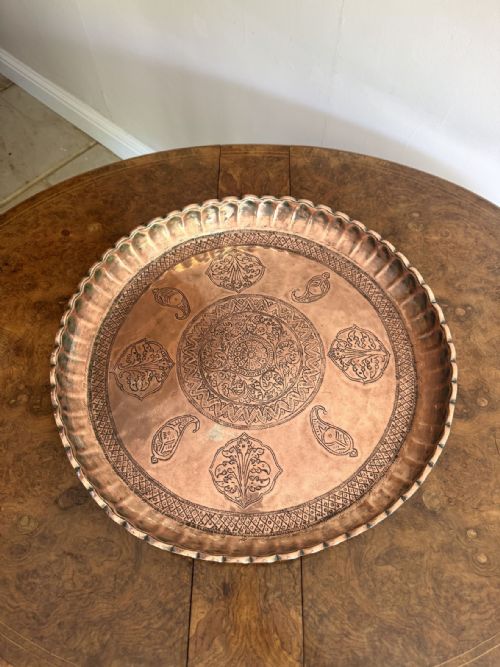


Decorative Metal Dish
A decorative metal dish brings weight and lustre to a room, shifting from nineteenth-century European bronze to Japanese cloisonne enamel.
Decorative Metal Dish
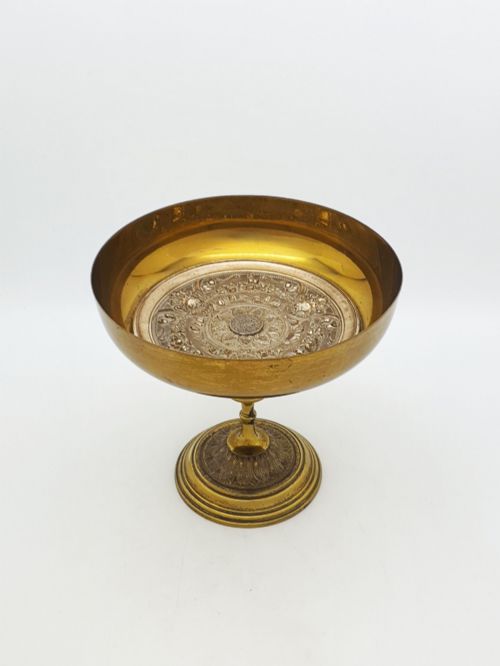
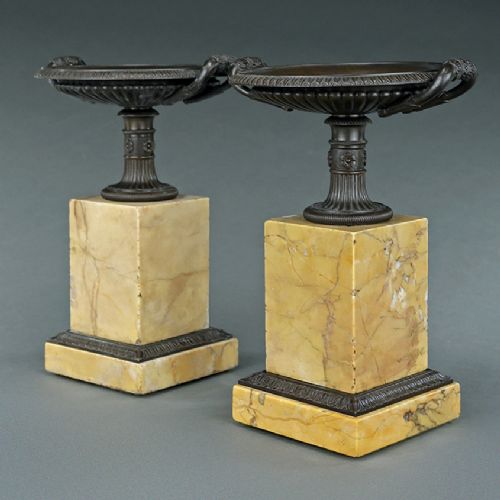
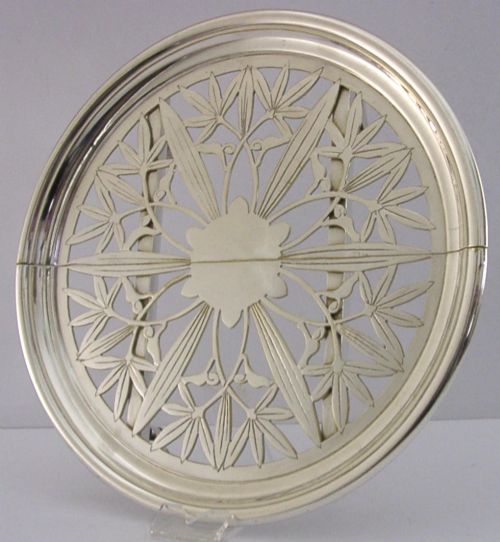
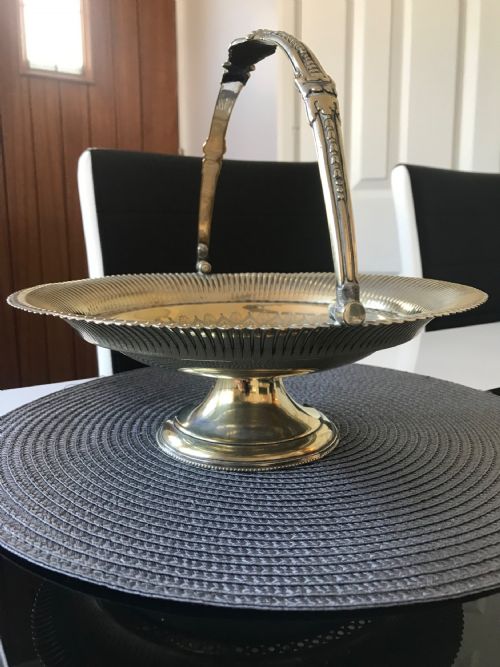
When searching for a decorative metal dish, collectors encounter a diverse range of vessels including chargers, tazzas, trays, and bowls originating from various periods and traditions.
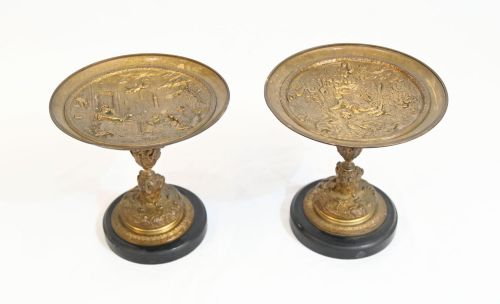
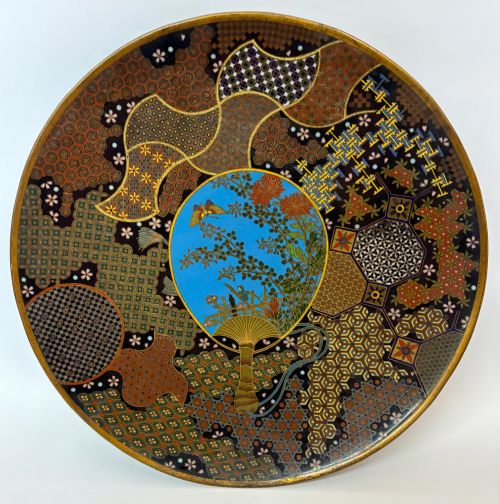
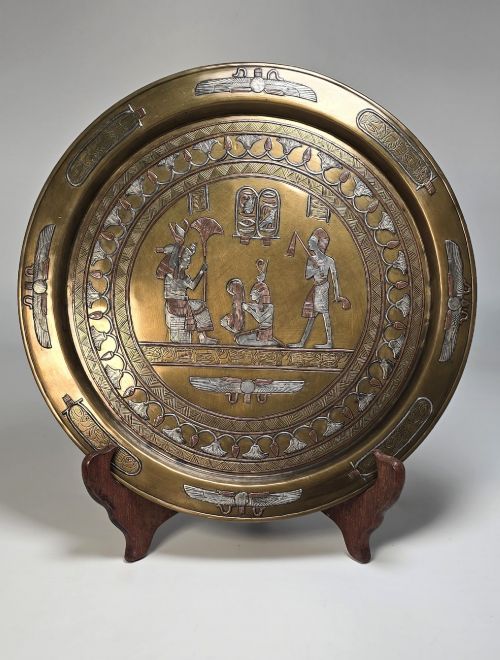
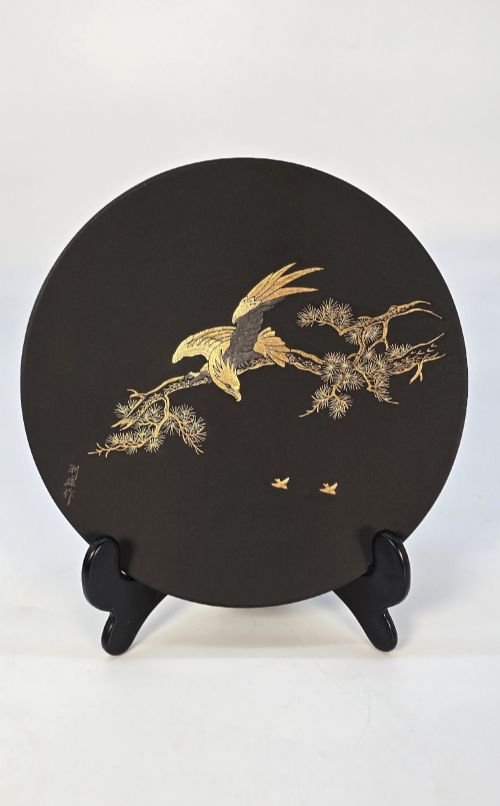
The selections span from nineteenth-century French ormolu and bronze pieces to Japanese Meiji period cloisonne chargers and Middle Eastern inlaid copper work.
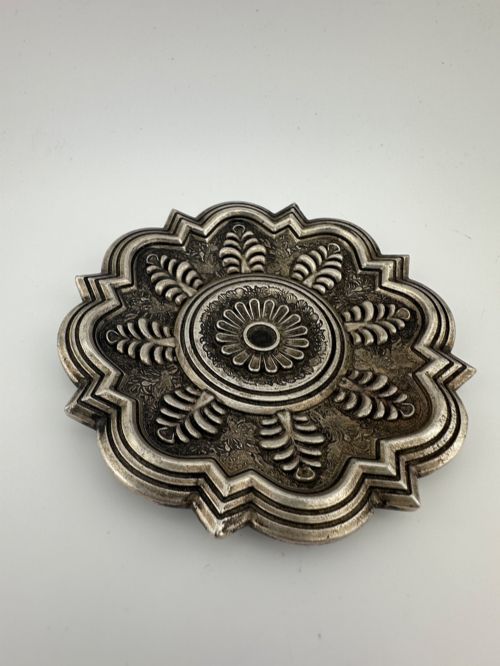
Many items combine metalwork with other substances, merging copper, brass, and silver with enamel, marble, or agate cabochons.
How They Were Made
Maker techniques involve patinated and gilt bronze casting, hand-beaten copper, and intricate silver inlay on metal grounds.
Cloisonne enamel pieces utilise thin wire soldered to metal bases to create cells filled with vitreous enamel pastes before firing.
Decorative Metal Dish Retail Price Guide 2026
Typical asking prices for decorative metal dish among the pieces listed under this phrase on Sellingantiques today, from the lower quarter to the upper quarter. They describe what is for sale here now, not the wider market.
The listings span the eighteenth, nineteenth, and early twentieth centuries, featuring materials from marble and agate to cloisonne enamel and silver plate.
What Varies in Quality
Distinctions in quality rest upon the precision of the chasing, the depth of the metal patination, and the complexity of the inlaid designs.
Enamel work displays variation through the fineness of the wirework, the absence of firing flaws, and the pictorial detail of motifs like birds and landscapes.
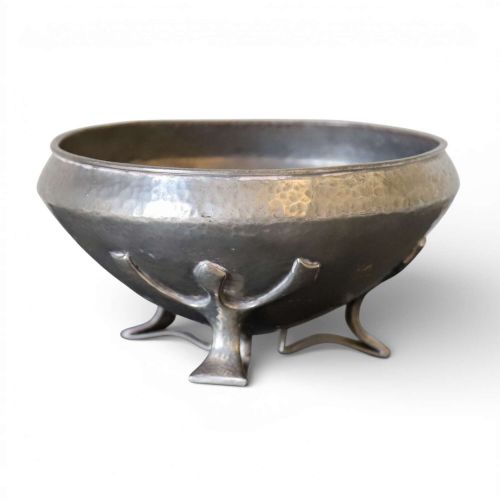
Liberty And Co·Christofle
The Decorative Metal Dish Glossary
- Cloisonne
- An enamelwork technique where metal wire forms compartments on a surface to hold coloured paste. These compartments are fired and polished smooth.
- Tazza
- A shallow bowl or plate mounted on a stem and foot. This form functions primarily for display on tables and sideboards.
- Charger
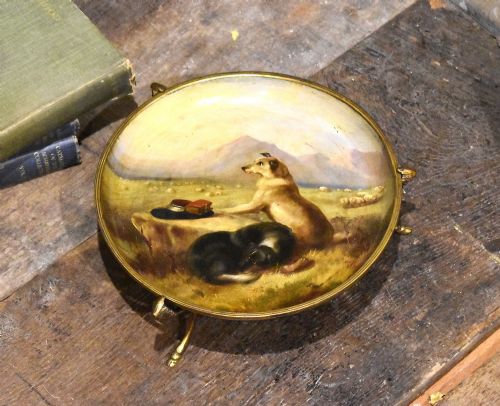
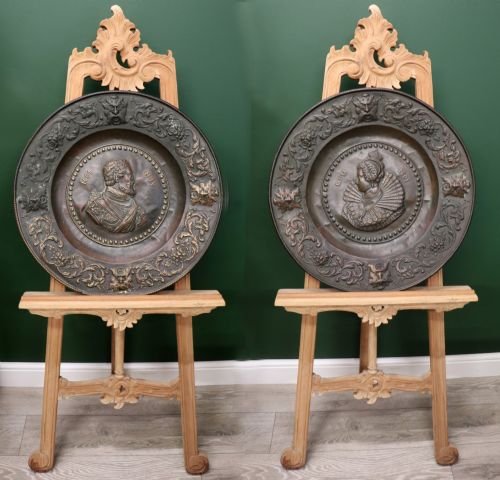
- A large decorative plate intended for wall hanging or ceremonial display. Examples often feature elaborate pictorial scenes or floral motifs.
- Ormolu
- Gilded bronze applied to decorative objects and furniture mounts. The technique creates a bright gold appearance on bronze metalwork.
- Champleve
- An enamelling method where troughs or cells are carved into the metal surface and filled with enamel. The piece is then fired and polished.
Decorative Metal Dish: Frequently Asked Questions
Where were these metal dishes made?
The pieces originate from diverse workshops across Europe, the Middle East, and Japan. European examples stem from French and British makers, while Asian works include Chinese export items and Japanese Meiji period creations.
Specific regional traditions appear in the Cairo Ware from Egypt and the patinated copper vessels from Persian or Syrian sources.
How do I display a decorative metal dish?
Larger chargers often feature fixings for wall mounting or rest securely on sturdy plate stands. Smaller trays and bowls suit placement on tables, cabinets, or marble mantelpieces.
Pairing items with contrasting materials, such as bronze upon marble bases, enhances their visual presence in a room.
What is the difference between a tazza and a charger?
A tazza stands elevated on a central stem and foot, creating a pedestal effect suited for fruit or focal display. A charger is a flat or shallow wide plate designed for wall hanging or grand table settings.
Both forms utilise metals like bronze, copper, and silver plate.
How do I care for antique metalwork?
Antique metal surfaces require gentle dusting with a soft, dry cloth to preserve their original patination. Avoid harsh chemical cleaners that strip historical finishes from bronze, copper, and silver.
Enamel sections need protection from impact and sudden temperature changes to prevent hairline fractures.