





Decorative Mantelpiece Urns
Decorative mantelpiece urns bring classical proportion and rich materiality to a room, drawing the eye instantly to the hearth.
Decorative Mantelpiece Urns
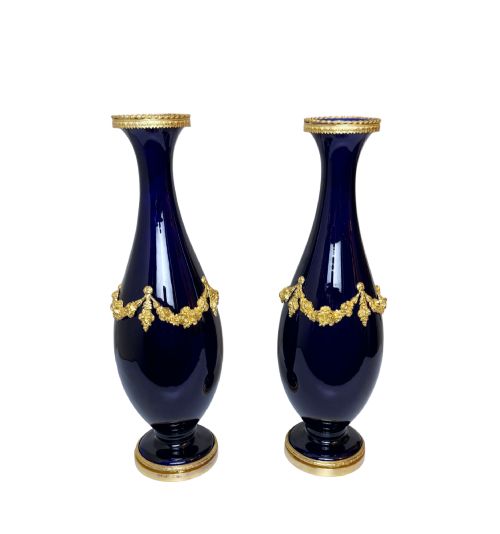
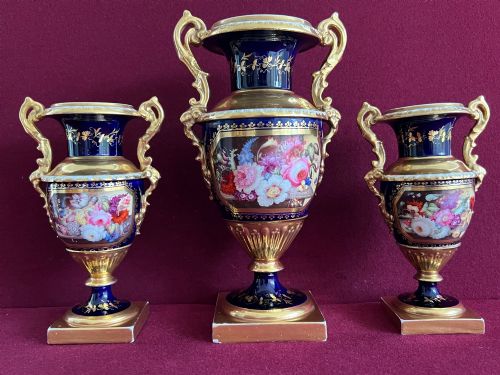
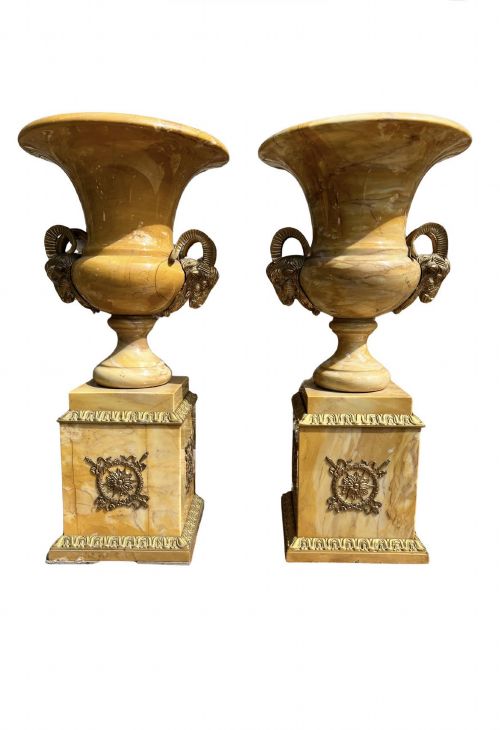
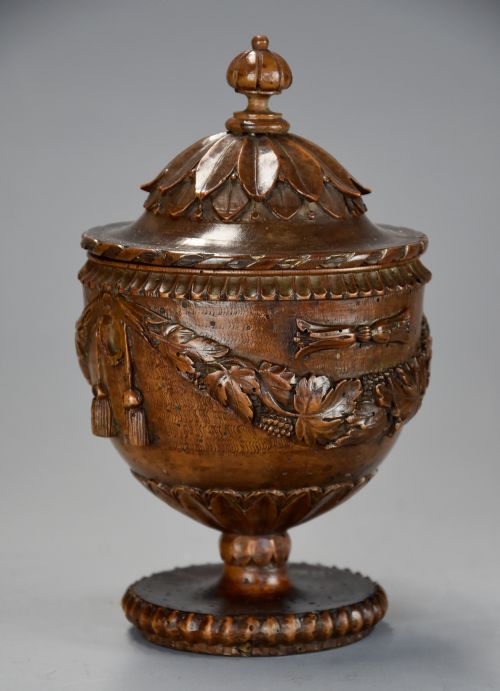
Decorative mantelpiece urns span the nineteenth century, drawing heavily on neoclassical, French Empire, and Regency design codes. You will frequently encounter pairs fashioned for garniture sets or classical display, echoing Grand Tour souvenirs brought back from Italy. The forms range from campana shapes to lidded cassolettes and twin-handled amphorae.
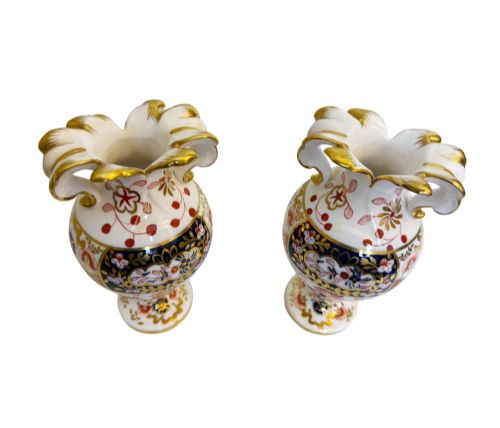
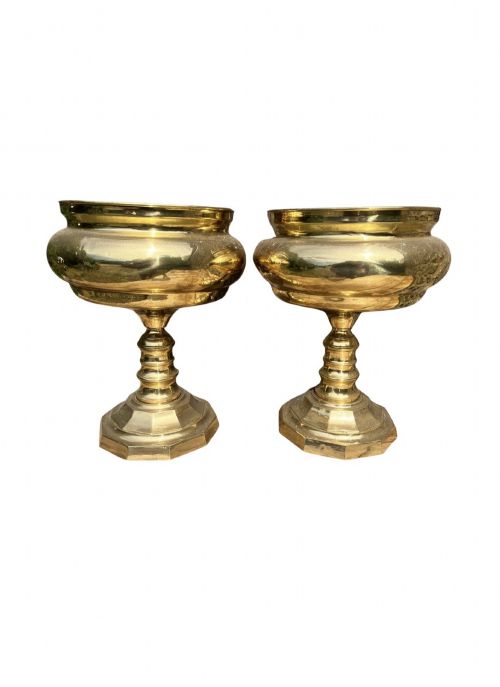
Makers and factories represented include Minton, Spode, Flight, Barr and Barr Worcester, Miles Mason, Royal Doulton, and Mettlach Pottery. Alongside ceramic works, you find metalwork interpretations in bronze, ormolu, brass, spelter, and toleware, often mounted onto marble plinths. Japanese Satsuma and Imari styles also appear, reflecting the Victorian appetite for diverse global aesthetics.
How they were made
Porcelain and pottery bodies were thrown or moulded, then painted and glazed, frequently incorporating gilt details or transfer-printed scenes. Ceramic pieces often relied on the skilled hand of painters like Thomas Steel or Thomas Lowe to render botanical and classical subjects.
Metal versions combined casting techniques in bronze, brass, or spelter with surface treatments such as fire gilding, ormolu accents, silvering, or hand-piercing. Marble and stone elements were turned on lathes and polished, then joined with metal collars, plinths, and handles.
Decorative Mantelpiece Urns Retail Price Guide 2026
Typical asking prices for decorative mantelpiece urns among the pieces listed under this phrase on Sellingantiques today, from the lower quarter to the upper quarter. They describe what is for sale here now, not the wider market.
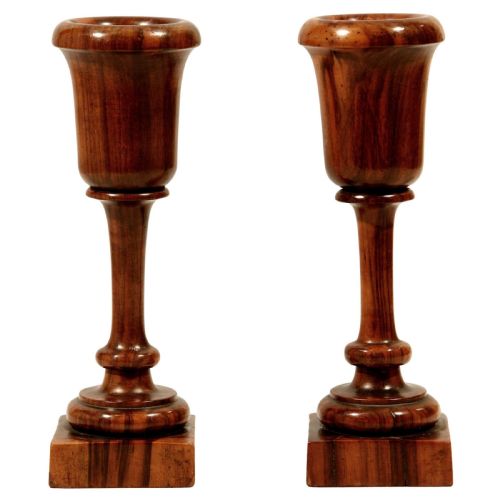
Turned wood spill vases made from dense lignum vitae prove that even humble kindling holders received grand architectural urn forms.
What varies in quality
The distinction between standard production and superior execution rests on the crispness of the casting and the fidelity of the hand-painting. Finely chased bronze work and deeply carved marble display a sculptural clarity that mass-produced castings lack.
Porcelain quality is evident in the weight of the paste, the precision of the enamel work, and the richness of the gilding applied to handles and trims. Garniture sets that retain their matching covers and original pedestals show greater integrity than assembled groupings.
Minton·Spode·Flight Barr and Barr·Miles Mason·Royal Doulton·Mettlach Pottery
The Decorative Mantelpiece Urns Glossary
- Cassolette
- A decorative vase or urn with a reversible lid that can function either as a vessel or hold a burner. These dual-purpose pieces were particularly popular in French Empire interiors.
- Campana urn
- A bell-shaped vessel with a flaring rim and a footed base, modelled directly on ancient Roman garden and table pottery. They form the staple silhouette of nineteenth-century classical revivals.
- Garniture
- A symmetrical set of three or more ornamental vases or urns designed to sit together on a mantelpiece or sideboard. They typically feature a central taller piece flanked by a matching pair.
- Ormolu
- Finely ground high-carat gold applied to a bronze base using a mercury amalgamation technique, yielding a warm, durable metallic finish. It defines the luxury mounts of French decorative arts.
- Toleware
- Lacquered and painted sheet metal, often shaped into urns and garniture sets during the Regency and Victorian eras. The technique imitated Asian lacquerware and high-style ceramics.
Decorative Mantelpiece Urns: Frequently Asked Questions
What is a garniture set?
A garniture set consists of matching vessels designed to create a balanced display across a mantelpiece or shelf. The arrangement usually includes a central taller urn flanked by two smaller companion pieces.
These sets were intended as permanent decorative fixtures in formal nineteenth-century drawing rooms. Keeping the matching pieces together preserves their intended visual harmony.
How do I style mantelpiece urns?
Place a pair symmetrically at either end of a mantel shelf to anchor the space visually. They work well alone as sculptural objects or framed by a matching clock garniture.
Ensure the scale of the urns matches the depth of your mantel and the height of the fireplace surround. Avoid crowding them with smaller items so their silhouette remains clear.
What is a Grand Tour souvenir?
Grand Tour souvenirs were art objects and antiquities acquired by wealthy travellers touring European cultural centres like Rome and Florence during the nineteenth century. These included bronze tazzas, marble urns, and miniature classical vessels.
Cabinetmakers and metalworkers in Italy and France produced these high-end decorative pieces specifically for the export market. Owning them signalled education, taste, and cosmopolitan travel.
How do I clean antique porcelain and bronze?
Dust porcelain surfaces gently with a dry, soft brush and avoid using water on gilt areas which can easily rub off. Bronze and ormolu require only light dusting without commercial metal polishes that strip original patination.
Keep these decorative objects away from direct heat sources like active fires to protect glazes and adhesives. Gentle maintenance preserves the historic surface finish.