




Decorative Mahogany Storage Box
These decorative mahogany storage box examples combine practical utility with rich timber grain, offering a neat vessel for everything from tea to coal.
Decorative Mahogany Storage Box
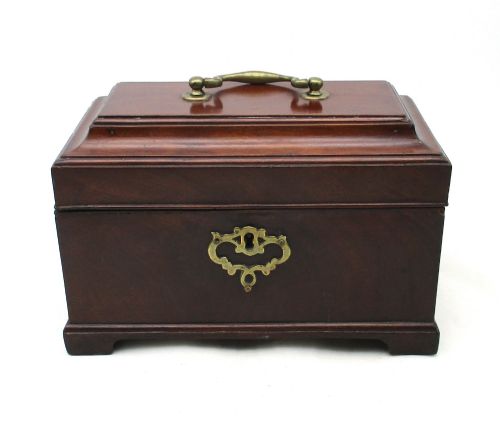
A decorative mahogany storage box takes several distinct domestic forms across the eighteenth, nineteenth, and early twentieth centuries. Buyers searching for a decorative mahogany storage box frequently encounter tea caddies, coal boxes, and traders chests.
The selection ranges from Georgian Chippendale tea caddies to Edwardian carved coal boxes and Victorian purdoniums. These pieces served functional household roles in storing tea, decanters, or fireplace fuel while displaying fine cabinetry.
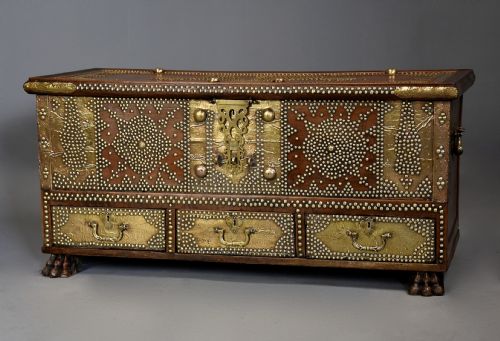
Origin points and influences vary, including regional British workshops and overseas trade routes such as nineteenth century Zanzibar. The core material remains mahogany, often accented with boxwood, amboyna, or brass details.
How they were made
Cabinetmakers utilised solid mahogany and applied veneers like burr maple, partridge wood, and amboyna over secondary timbers such as oak and walnut. Wood inlay and boxwood stringing provide linear contrast across many surfaces.
Metal components add both structural integrity and ornament, with brass studs, hinges, and escutcheons appearing frequently. Specialised forms incorporate glass inserts, mother of pearl, and bone details to enrich the exterior presentation.
Decorative Mahogany Storage Box Retail Price Guide 2026
Typical asking prices for decorative mahogany storage box among the pieces listed under this phrase on Sellingantiques today, from the lower quarter to the upper quarter. They describe what is for sale here now, not the wider market.
Listings span the eighteenth century through the Edwardian era, incorporating mahogany, boxwood, brass, and glass.
What varies in quality
The depth and consistency of the timber grain separate standard utility boxes from superior examples. Finely figured mahogany and precise wood inlay indicate greater skill in the workshop.
The integration of original brass hardware and internal fittings alters the character of a piece. Finer items retain their internal canisters, dividers, or glass components intact.
The Decorative Mahogany Storage Box Glossary
- Tea caddy
- A small lidded box designed originally for storing loose tea leaves. These containers often featured internal compartments and locking mechanisms to protect valuable dry goods.
- Purdonium
- A domestic coal box or scuttle designed to hold fuel near a fireplace. Edwardian and Victorian examples often combined wooden cabinetry with metal linings and shovels.
- Veneer
- A thin slice of decorative wood applied to a secondary timber base. Cabinetmakers used burr maple and amboyna veneers to create figured geometric patterns.
- Inlay
- A technique of inserting contrasting materials into recessed portions of a wooden base. Boxwood and bone often form decorative borders on the exterior surfaces.
- Escutcheon
- A protective metal plate surrounding a keyhole. These brass fittings frequently feature on the front panel of lidded chests and caddies.
Decorative Mahogany Storage Box: Frequently Asked Questions
What were tea caddies used for?
Tea caddies served to store expensive tea leaves securely in domestic rooms. Wealthy households kept these boxes locked to control access to the precious contents.
Inside, compartments separated different varieties of tea. Some caddies included internal metal canisters to preserve freshness and aroma.
How do coal boxes differ from purdoniums?
Coal boxes and purdoniums both held fireplace fuel close to the hearth. Coal boxes generally opened with a hinged lid, while purdoniums often featured a sloping front chute.
Edwardian makers refined these utilitarian items into decorative furniture. They matched the polished mahogany woodwork of contemporary drawing rooms.
How can I tell Georgian boxes apart from Victorian ones?
Georgian pieces often display restrained classical proportions and fine string inlay. Chippendale and Sheraton influences dictate clean lines and balanced wood selection.
Victorian and Edwardian examples introduce heavier ornamentation and diverse veneers. Brass studs, carved panels, and exotic secondary timbers become more common in the later periods.
What are traders chests?
Traders chests were sturdy storage trunks transported along international shipping routes. They protected goods and valuables during long journeys across the seas.
Nineteenth century Zanzibar chests, for instance, relied on dense timbers and heavy brass stud work. This reinforcement ensured durability in transit.