



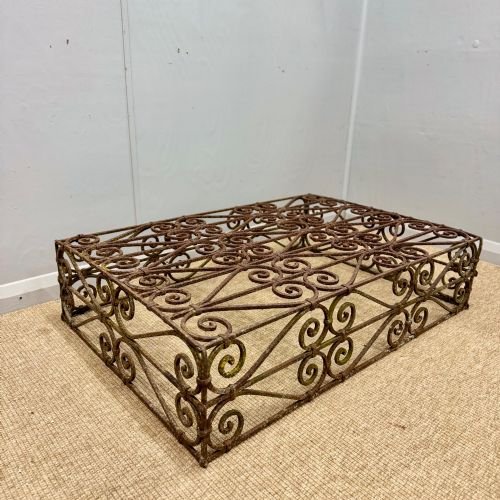


Decorative Iron Stand
A decorative iron stand brings functional utility and industrial strength to a hallway or garden, holding everything from walking sticks to heavy planters.
Decorative Iron Stand
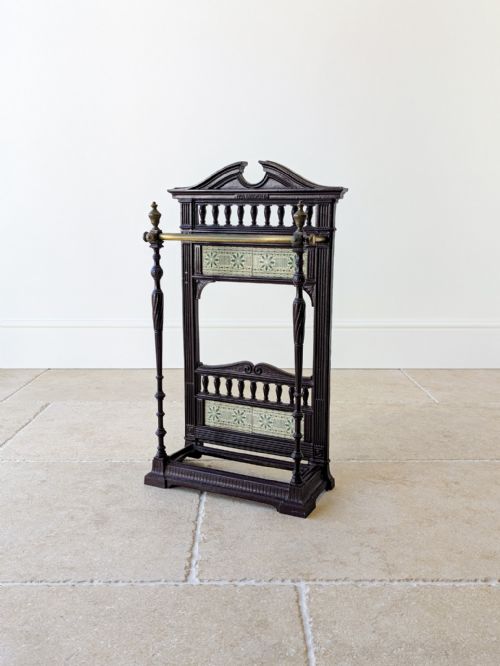
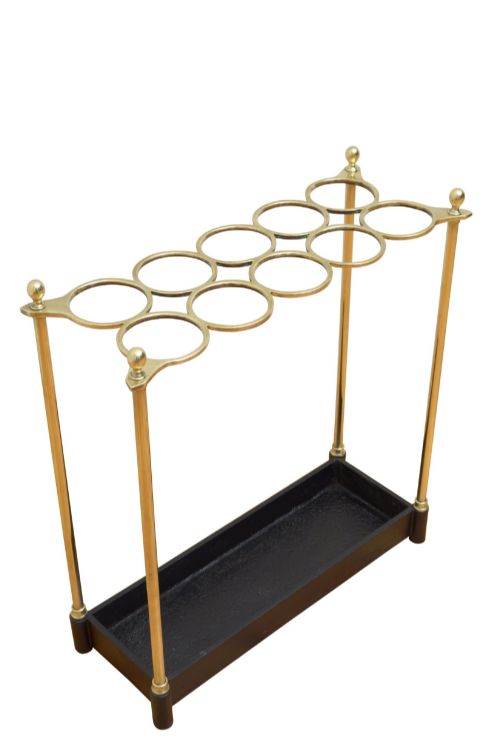
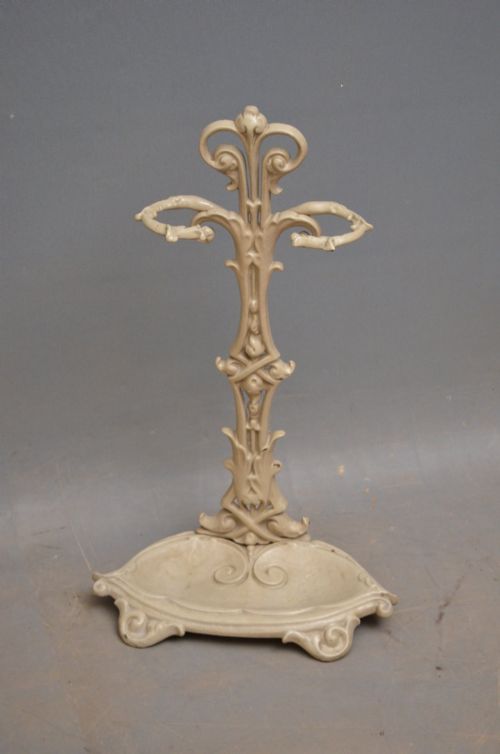
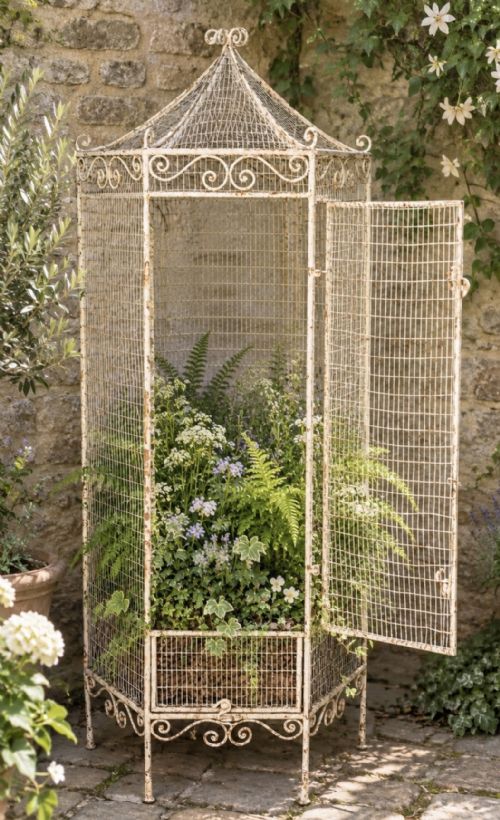
A decorative iron stand primarily encompasses utilitarian household furnishings such as umbrella and stick stands, alongside garden planters and plant stands.
The selections span the nineteenth century, the Edwardian era, and the early twentieth century, incorporating Victorian Gothic Revival, Art Nouveau, and Arts and Crafts styles.
Most examples originate from British and French workshops, ranging from substantial country house hall furniture to estate-made garden pieces.
Materials and construction
Makers utilised both cast iron and wrought iron, frequently combining these metals with brass, copper, or wire mesh components.
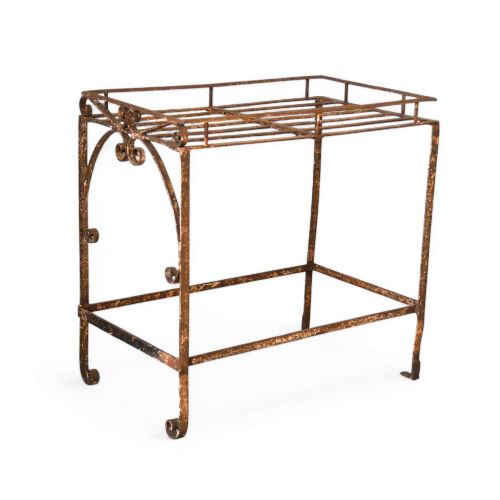
Foundries employed intricate moulding techniques for cast iron umbrella stands and jardinere stands, while blacksmiths shaped wrought iron by hand for garden racks and plant holders.
Decorative Iron Stand Retail Price Guide 2026
Typical asking prices for decorative iron stand among the pieces listed under this phrase on Sellingantiques today, from the lower quarter to the upper quarter. They describe what is for sale here now, not the wider market.
Listings feature items spanning the Georgian era through to the 1930s, constructed from cast iron, wrought iron, brass, copper, and wire mesh.
Craftsmanship and distinction
Quality rests on the crispness of the iron casting, the complexity of decorative motifs such as acanthus leaves or scrollwork, and the integrity of structural joins.
Peculiarities of manufacture, including maker attribution to established foundries like Coalbrookdale or estate-made variations, separate standard utility items from distinguished decorative pieces.
Coalbrookdale
The Decorative Iron Stand Glossary
- Cast iron
- A hard, brittle alloy poured into moulds to create rigid forms with detailed relief decoration. It appears frequently in nineteenth-century umbrella stands and garden planters.
- Wrought iron
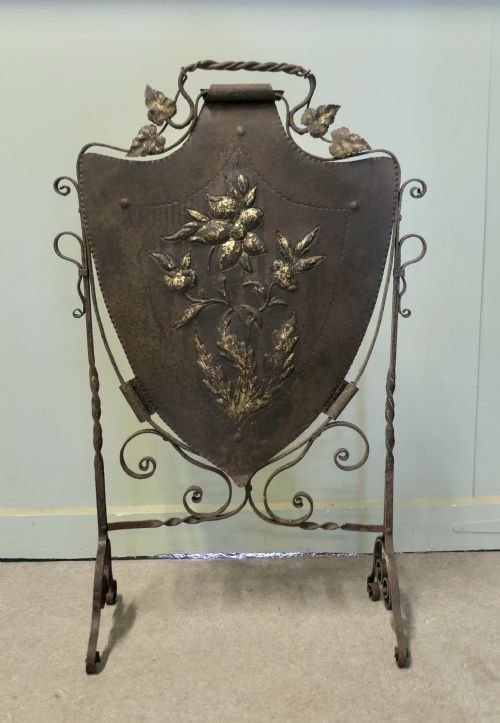
- A tough, malleable iron heated and hammered into shape by hand. This material dominates garden racks, plant stands, and architectural metalwork.
- Stick stand
- A hall furnishing designed to hold walking sticks, canes, and umbrellas. These items often feature drip pans at the base to catch rainwater.
- Jardinere stand
- An elevated support or pedestal specifically designed to display potted plants and floral arrangements. They occur in various metals including cast iron and brass.
Decorative Iron Stand: Frequently Asked Questions
What is a decorative iron stand used for?
These metal stands serve practical purposes in domestic spaces, functioning primarily as umbrella holders in hallways or as plant supports in conservatories and gardens.
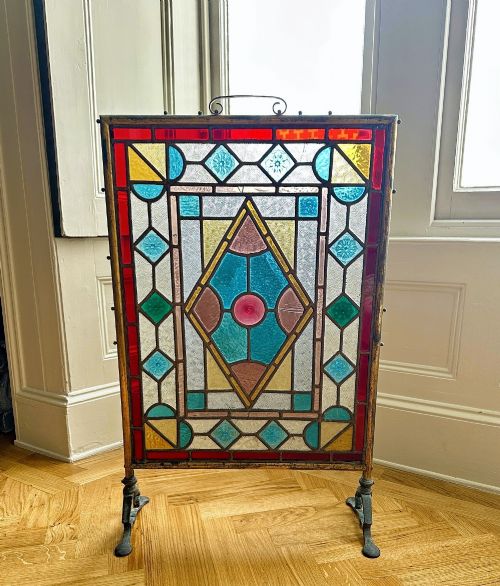
They also appear as fire iron stands and display pedestals, combining utility with decorative metalwork.
How do I identify a Victorian iron stand?
Victorian examples often display heavy cast iron construction with distinct period motifs like Gothic Revival tracery, acanthus leaves, or ornate scrollwork.
Many of these hall stands bear foundry marks or registration numbers dating from the nineteenth century.
Where should I place an iron plant stand?
Wrought iron and cast iron plant stands suit conservatories, hallways, or sheltered patio areas where they can support heavy ceramic or terracotta pots.
Ensure indoor placement accounts for potential moisture from watering plants to protect flooring surfaces.
What is the difference between cast and wrought iron?
Cast iron is poured into moulds, resulting in heavier pieces with intricate, repeatable surface details and rigid structural properties.
Wrought iron is hand-forged by a blacksmith, showing subtle variations in texture and shaping typical of estate-made or bespoke items.