


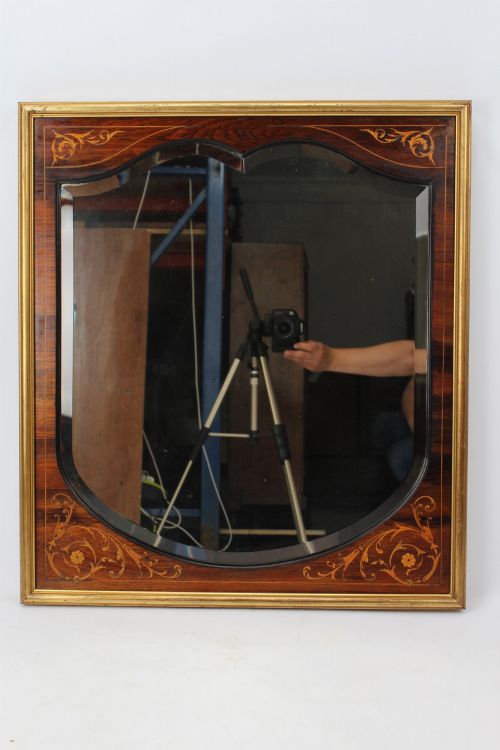
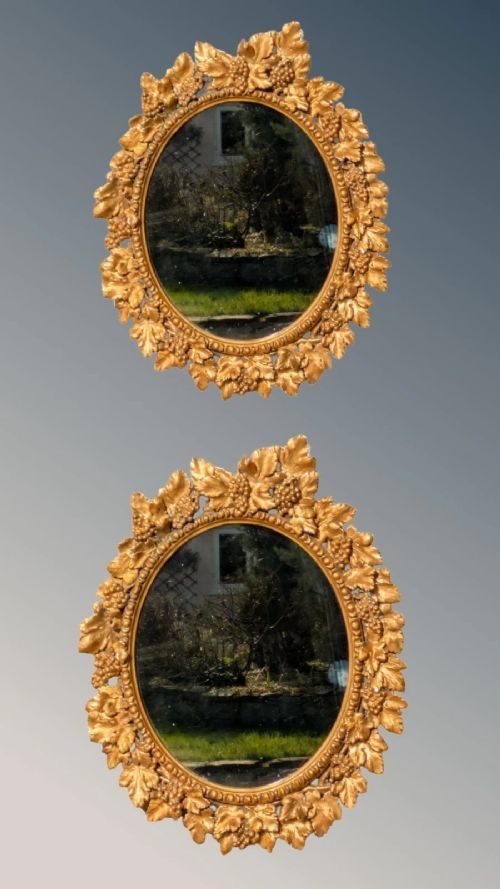
Decorative Gold Leaf Frame
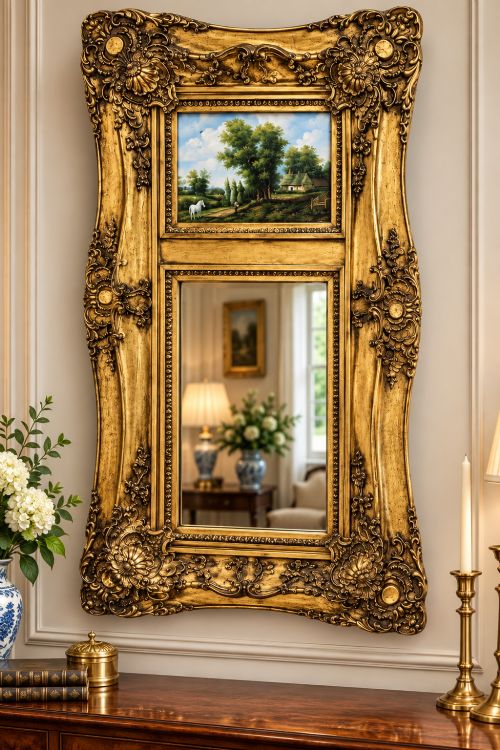
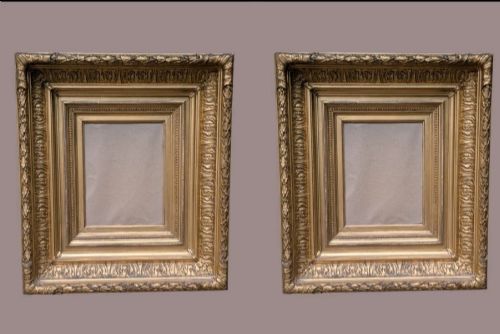
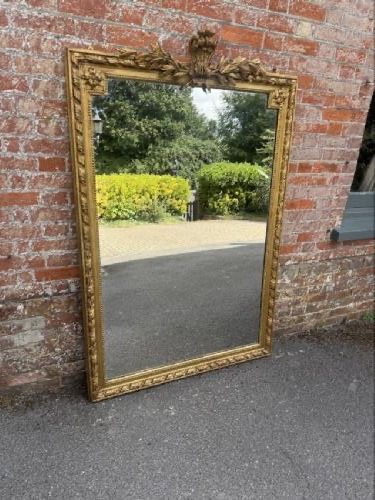
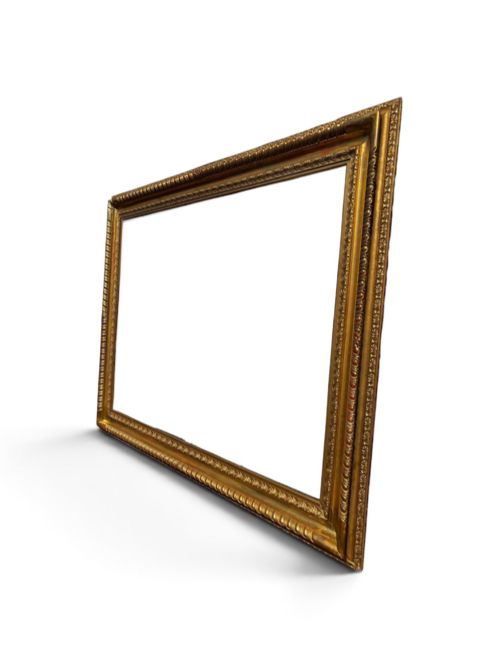
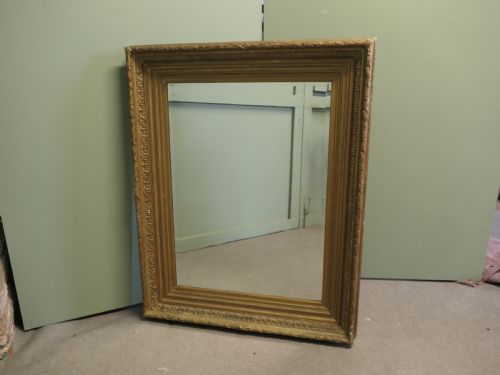
A decorative gold leaf frame brings warmth and gilded depth to any interior, housing everything from mirrors to oil paintings.
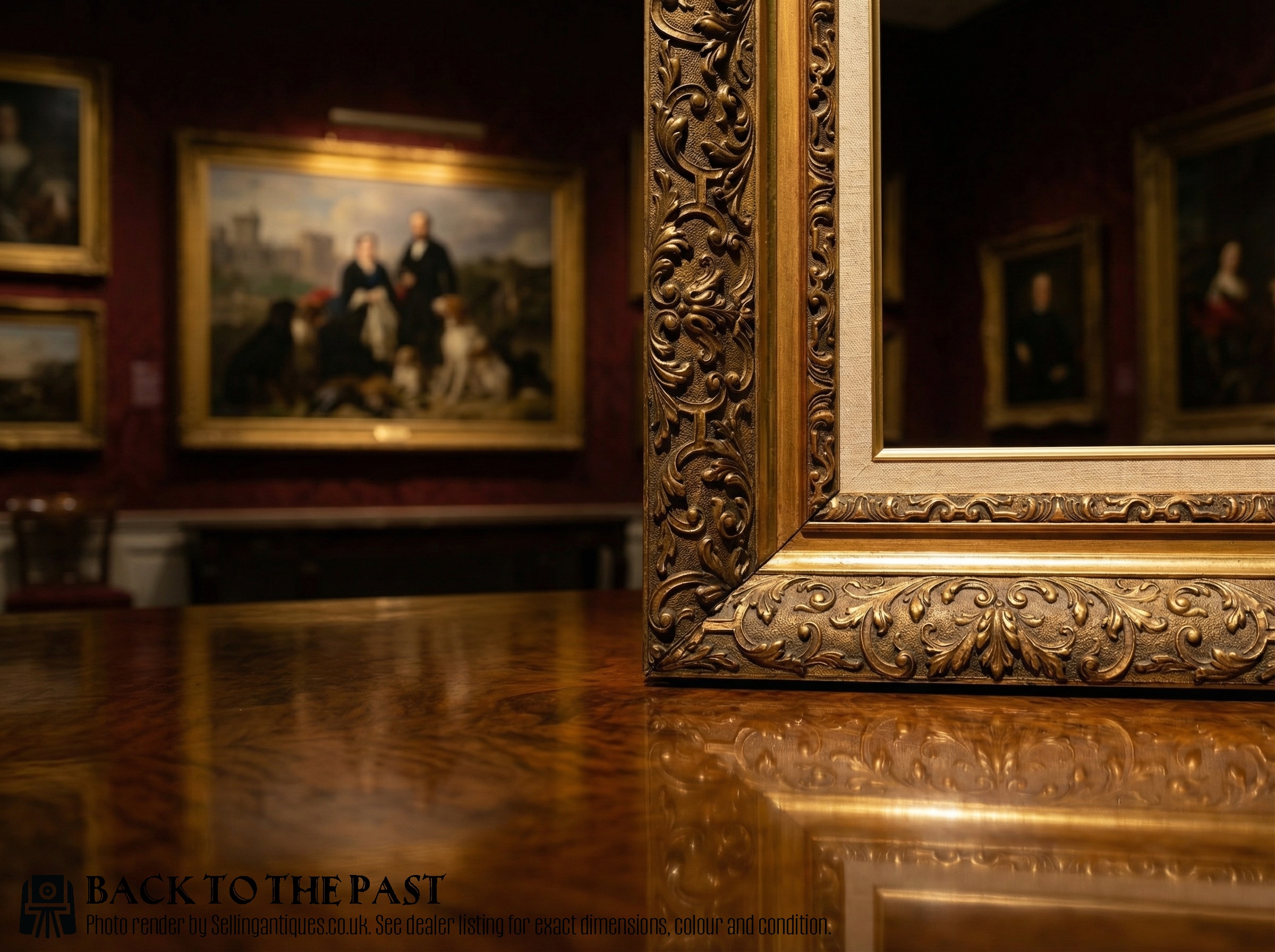
Decorative Gold Leaf Frame
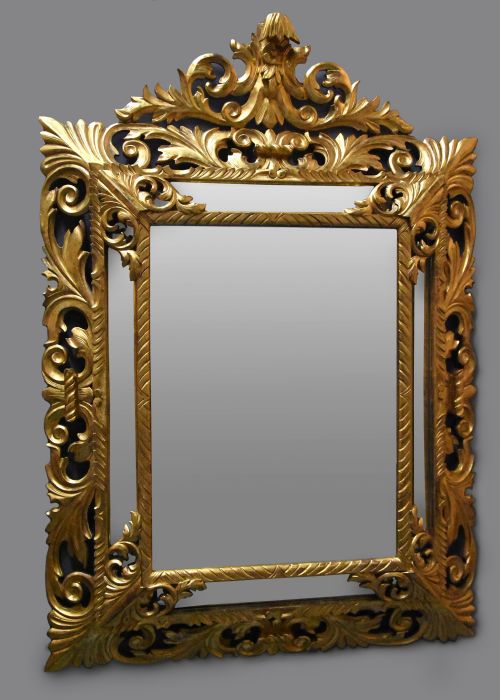
You are most likely to meet nineteenth-century English and French carved wood and gesso pieces, often finished with rope twist details, floral motifs, or cushion frames. Many of these items originate from Italian workshops, particularly Florentine carvers producing ornate giltwood and silvered surfaces.
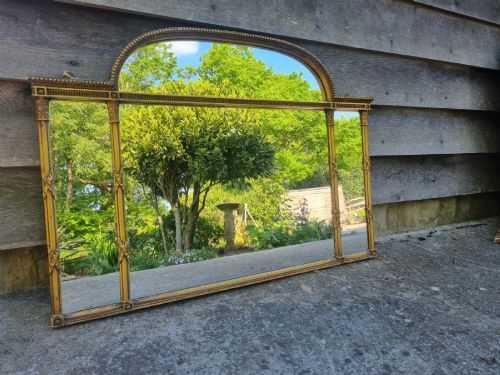
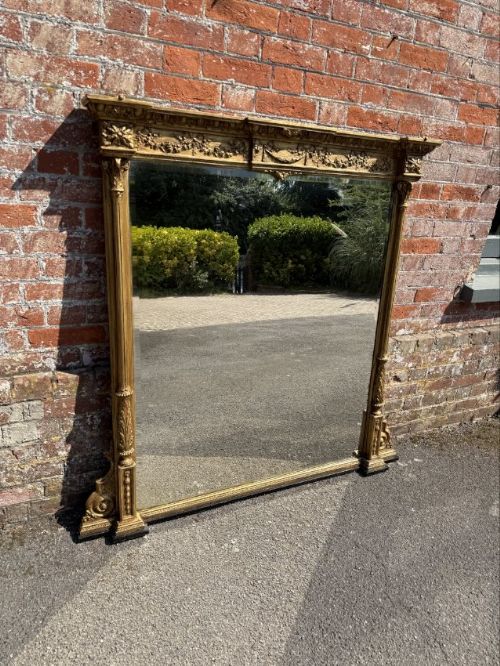
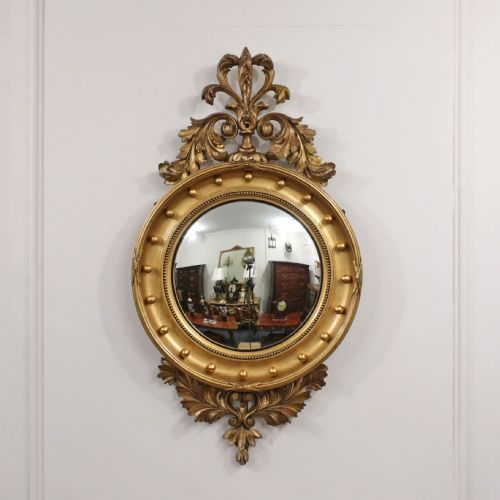
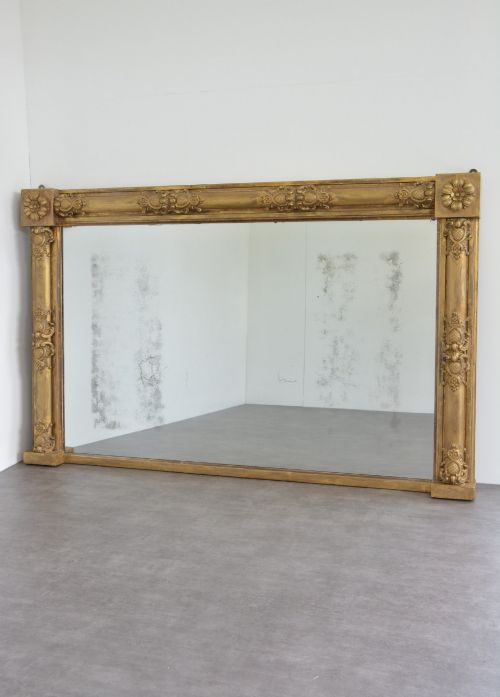
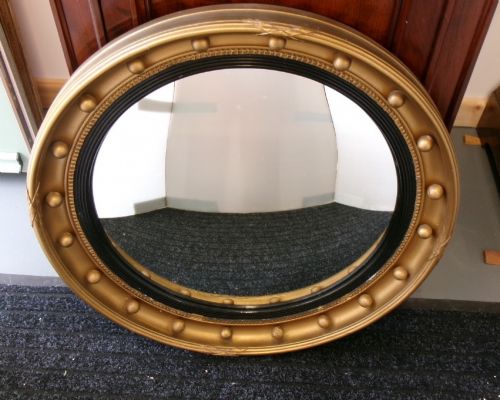
The category encompasses substantial architectural overmantels alongside intimate picture frames and round convex porthole mirrors. These objects bridge the gap between functional looking glasses and sculptural wall art.
Materials and Construction
Carved timber provides the structural foundation for these pieces, utilising woods such as pine, walnut, and rosewood beneath the decorative surface. Artisans then applied layers of gesso - a mixture of chalk and binder - to the wooden base, smoothing the compound to create a crisp canvas for intricate carving.
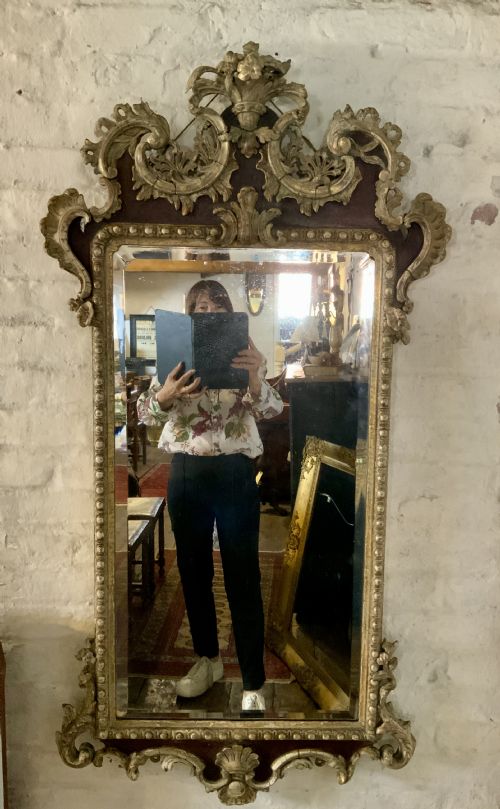
Gold leaf and giltwood finishes were meticulously applied over the prepared gesso, sometimes accompanied by composition ornaments moulded from putty to form repetitive floral or scroll motifs. Mirror glass inserts, occasionally featuring original foxing or margin edges, complete the construction of the hanging wall and overmantel pieces.
Listings feature eighteenth and nineteenth-century pieces alongside early twentieth-century examples, incorporating glass, giltwood, gesso, brass, and walnut materials.
Assessing Quality and Execution
The distinction between standard items and exceptional examples lies in the depth and crispness of the hand-carving within the wood and gesso. Superior pieces exhibit spirited relief work, such as deeply undercut vine leaves and defined rope twists, rather than dull, heavy composition mouldings.
Proportion and harmony dictate the visual weight of an overmantel or wall mirror, where balanced frames retain their original mercury or antique glass plates. The integrity of the underlying gilding, showing natural ageing without excessive later overpainting, marks the better specimens.
Theodore Jensen
The Decorative Gold Leaf Frame Glossary
- Giltwood
- Wood that has been coated with gold leaf or gold powder. This surface treatment gives mirrors and picture frames their characteristic warm, reflective metallic sheen.
- Gesso
- A plaster-like mixture applied to wood frames to create a smooth surface for gilding. It allows craftsmen to carve intricate details before applying the gold leaf.
- Overmantel mirror
- A large looking glass designed to hang specifically above a fireplace mantel. These pieces often feature wide landscape proportions to suit domestic chimney breasts.
- Convex mirror
- A round mirror with a curved, outward-bulging glass plate. Popular during the Regency period, it provides a wide, distorted panoramic reflection of the room.
- Parcel gilt
- An object decorated with partial gilding where only specific carved elements or raised details are covered in gold leaf while the underlying wood remains visible.
- Foxing
- Age-related spotting and discoloration within the glass mirror plate. This natural oxidation appears as small dark patches and confirms the antiquity of the looking glass.
Decorative Gold Leaf Frame: Frequently Asked Questions
How do I hang a heavy overmantel mirror?
These large architectural frames require secure fastening directly into wall studs or masonry using heavy-duty mirror brackets. Weight distribution must be shared evenly across the upper corners to support the solid wood and gesso construction safely.
Professional framing fixings ensure the frame sits flush against the wall without straining the antique joints or the original hanging loops.
Can I clean the glass on an antique frame?
Use a soft, dry microfibre cloth to dust the glass and gilded surfaces gently. Avoid spraying liquid cleaner directly onto the mirror plate, as moisture can seep behind the silvering and worsen foxing.
If liquid is necessary, apply a minimal amount to the cloth rather than the glass to protect the delicate surrounding gesso and gold leaf.
How do I tell a Regency frame from a Victorian one?
Regency frames often display neoclassical restraint, featuring architectural lines, ball-studded bezels, and convex circular plates. They lean toward architectural symmetry and clean classical motifs.
Victorian examples tend to be heavier and more exuberant, embracing deep relief carving, naturalistic flowers, vine leaves, and elaborate Rococo revival scrollwork.
What is the difference between gesso and composition?
Gesso is a liquid plaster mixture brushed onto carved wood to create a smooth base for gold leaf. It allows artisans to hand-carve fine details directly into the dried surface.
Composition, often called compo, is a pliable putty made from resin, whiting, and glue that is pressed into moulds and applied to the frame for repetitive decorative ornaments.