








Decorative Gold Gesso Frame
A decorative gold gesso frame brings immediate warmth and historical weight to a room, offering ornate moulded surfaces shaped by nineteenth-century hands.
Decorative Gold Gesso Frame
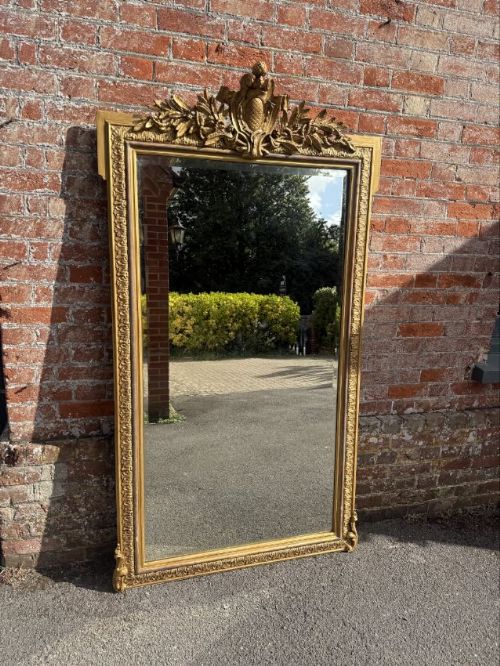
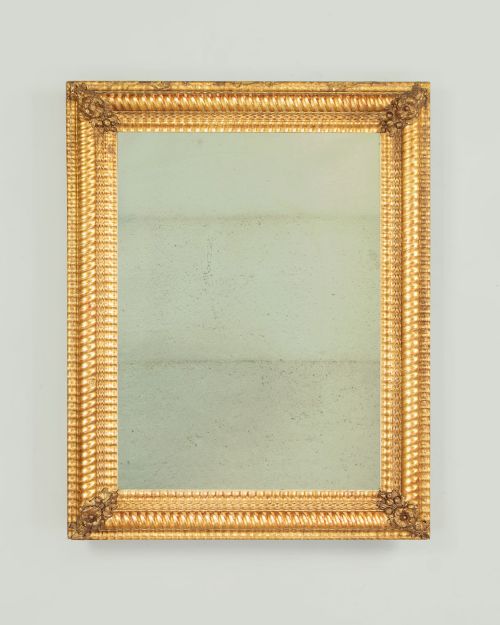
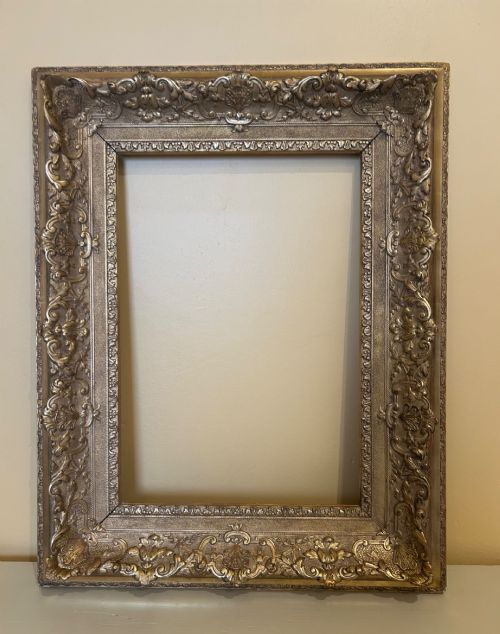
When searching for a decorative gold gesso frame, buyers encounter pieces primarily originating from the Victorian era and the broader nineteenth century. These items span wall mirrors, overmantel mirrors, picture frames, and wall art, reflecting revivalist tastes across English, French, and Italian workshops.
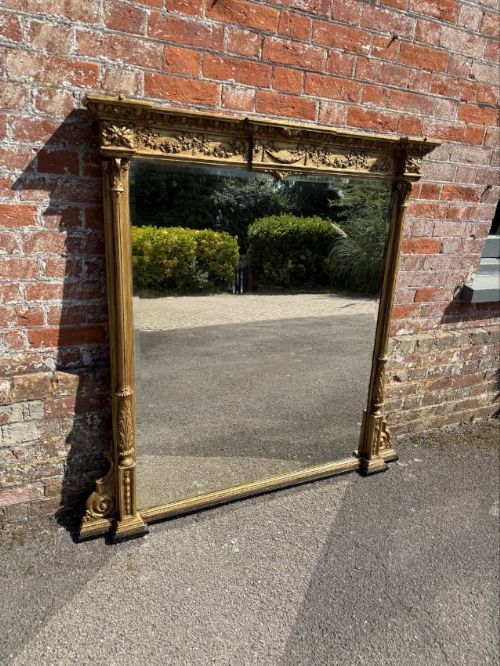
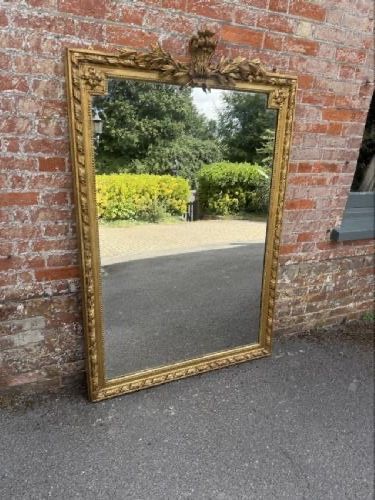
The most common formats on this page are large overmantel mirrors and wall mirrors displaying ornate ornamentation. Pieces incorporate carved wooden foundations finished with applied plaster layers, showcasing revival styles such as Rococo and Baroque.
Originating largely from the mid to late nineteenth century, these objects served both domestic utility and aesthetic display in period interiors. Their survival demonstrates the enduring appeal of gilt decoration and moulded relief work.
Materials and Construction
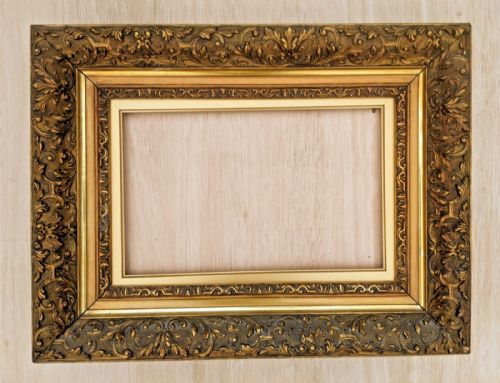
These items rely on a timber base, typically carved wood, which provides the structural support for large overmantel and wall mirrors. Artisans then applied gesso, a mixture of plaster and binder, to the wooden foundation to build up intricate relief details and mouldings.
The decorative surfaces received a finish of gold leaf or gilt paint, imparting a metallic sheen that catches ambient light. Glass elements, where present, were integrated into shaped frames featuring rope twists, laurel leaves, or shell motifs.
Decorative Gold Gesso Frame Retail Price Guide 2026
Typical asking prices for decorative gold gesso frame among the pieces listed under this phrase on Sellingantiques today, from the lower quarter to the upper quarter. They describe what is for sale here now, not the wider market.
Listings span the nineteenth century, incorporating Victorian, Regency, and Edwardian periods alongside French and Italian regional styles.
Assessing Quality and Execution
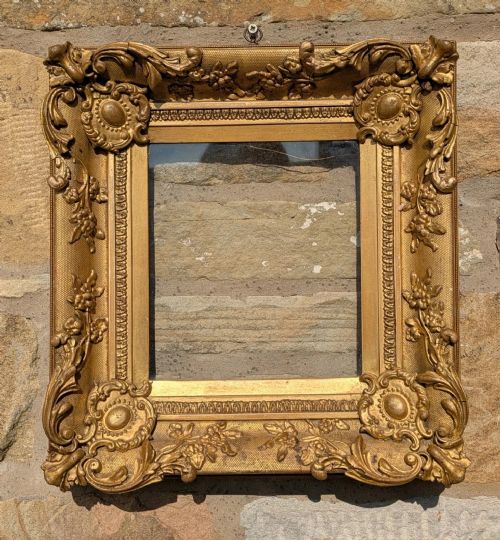
Quality rests in the crispness and depth of the gesso carving, where superior examples exhibit sharp relief work and finely rendered motifs like lions' heads or scrolling foliage. Lesser pieces display softer contours and shallower moulding.
The integrity of the underlying timber and the preservation of the original gilt surface dictate the visual impact of the frame. Skilled execution shows in the seamless union between the carved wooden carcass and the applied gesso layer.
The Decorative Gold Gesso Frame Glossary
- Gesso
- A plaster-based mixture applied to a wooden substrate to create a smooth or moulded surface ready for gilding. This material allows for intricate relief ornamentation.
- Giltwood
- Timber that has been coated with gold leaf or metallic powder. It forms the primary structural and visual medium for traditional decorative frames.
- Overmantel mirror
- A large mirror designed specifically to be hung above a fireplace mantel. These pieces often feature arched or shaped tops suited to nineteenth-century domestic architecture.
- Rococo Revival
- A nineteenth-century design movement characterised by asymmetrical scrollwork, naturalistic shell motifs, and flowing curves. It heavily influences many frames from this period.
Decorative Gold Gesso Frame: Frequently Asked Questions
How do I hang a heavy overmantel mirror?
These substantial pieces require secure fixings into structural wall studs or masonry using heavy-duty brackets. Professional installation ensures the weight of the timber and glass is safely distributed.
Because nineteenth-century frames carry considerable mass from the wood and gesso construction, checking the hanging wire or integrated mirror rings is essential before mounting.
Are these frames original to the nineteenth century?
The listings comprise items predominantly manufactured during the Victorian period and the late nineteenth century. Materials such as traditional gesso and hand-applied gold leaf reflect the manufacturing techniques of that era.
Stylistic indicators like French Rococo Revival or Italianate design place these objects firmly within historical revival periods rather than modern reproductions.
How should I clean a gilt gesso frame?
Dusting requires only a soft, dry brush or a feather duster to remove loose particles without disturbing the fragile gold leaf surface. Moisture and chemical cleaners must be avoided entirely.
Water can soften the historic gesso layer and cause the gilding to flake away from the wooden base, permanently damaging the decorative relief.
What rooms suit an overmantel mirror best?
Historically placed above drawing room fireplaces, these mirrors function equally well above mantelpieces in modern living spaces. Their generous proportions help amplify natural light and visually expand smaller rooms.
Alternatively, hanging a large wall mirror in a hallway or above a dressing table introduces period character and a strong focal point to circulation areas.