


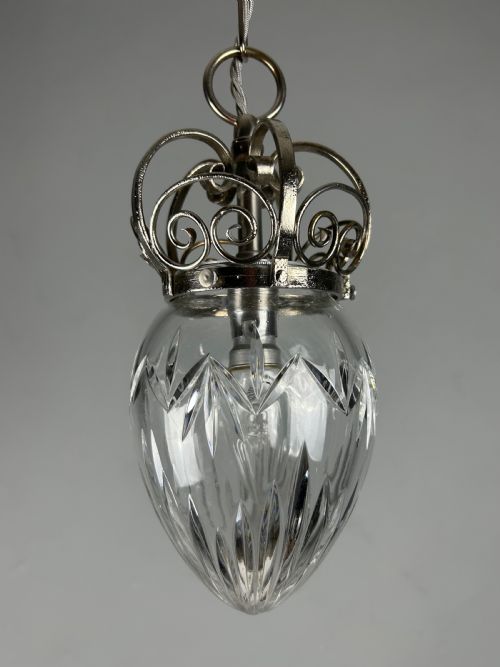


Decorative Glass Ceiling Light
A decorative glass ceiling light brings architectural focus to a room, casting warm illumination through cut crystal, stained panels, or blown shades.
Decorative Glass Ceiling Light
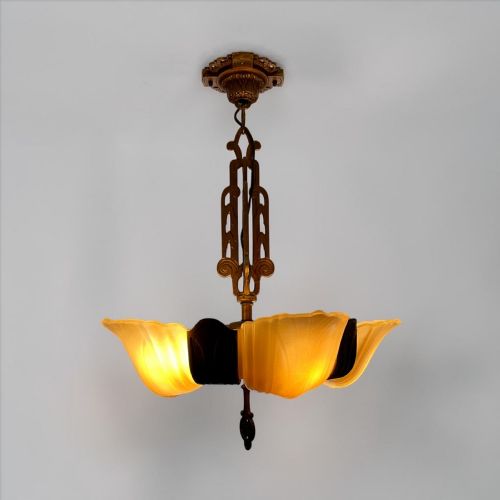
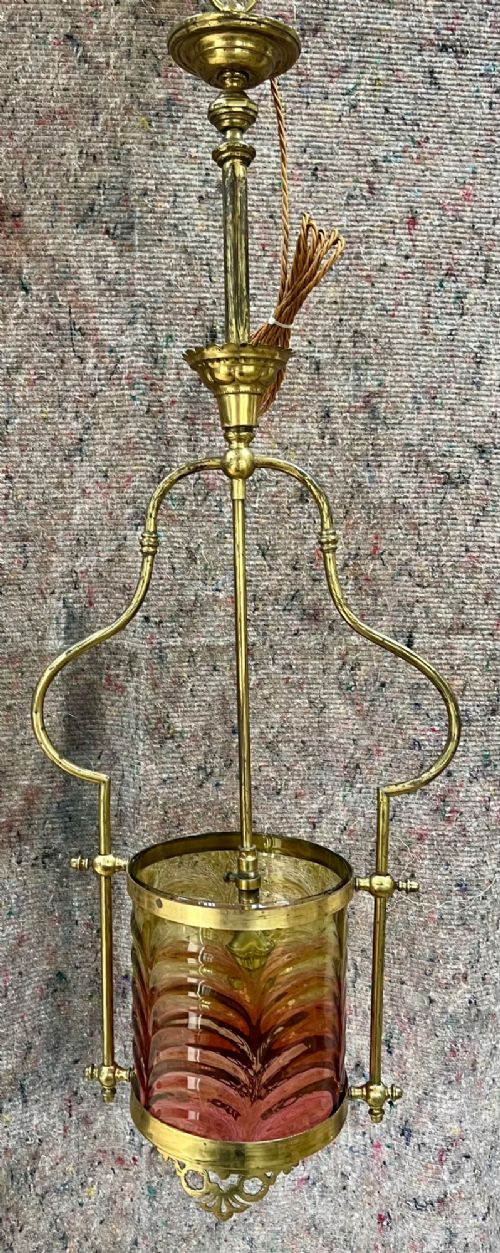
A decorative glass ceiling light spans multiple centuries of domestic illumination, moving from heavy nineteenth-century bronze and brass lanterns to lighter twentieth-century art deco fixtures. Buyers searching for a decorative glass ceiling light encounter diverse regional designs, including French wrought iron hall lanterns and English aesthetic movement brass fixtures.
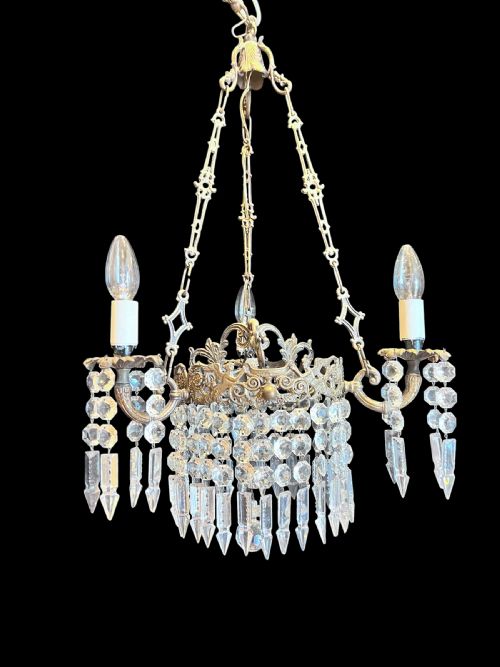
The most frequent examples on this page date from the Edwardian era and the nineteen-twenties, incorporating cut glass, crystal drops, and coloured shades. Common formats include multi-branch chandeliers, single bell jar pendants, and enclosed hall lanterns designed to hang distinctly in entranceways and principal reception rooms.
What Varies in Quality
The distinction between ordinary and exceptional pieces rests on the weight and purity of the metal frame and the depth of cutting within the glass elements. Heavier cast brass mounts and deeply refractive hand-cut crystal drops indicate superior workshop output.
Design cohesion also determines quality, where integrated brass galleries and properly matched coloured fruits or floral glass components display intentional artistry rather than assembled parts.
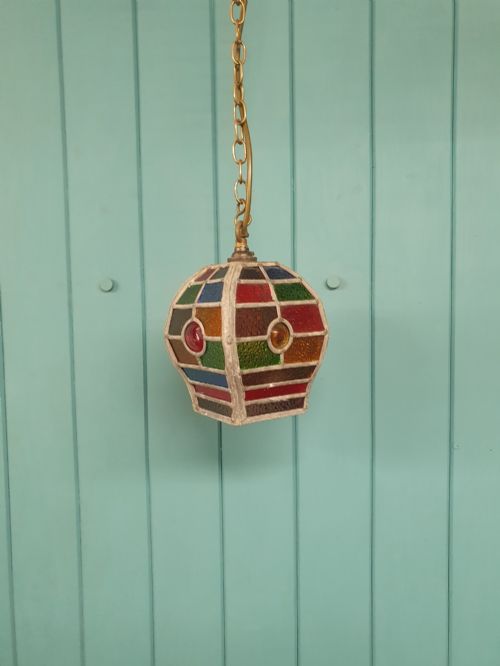
Listings here span the Victorian era, Art Nouveau, Arts and Crafts, and Art Deco movements, utilising brass, bronze, wrought iron, and leaded stained glass.
The Decorative Glass Ceiling Light Glossary
- Bell jar lantern
- A hanging light fixture featuring a rounded bell-shaped glass vessel enclosing the burner or electrical fitting. This form protects the light source while diffusing a steady glow downward.
- Cut glass
- Glass decorated by grinding facets and patterns directly into the surface using rotating wheels. This technique enhances the refractive quality of the material.
- Hall lantern
- An enclosed hanging light designed specifically for corridors, vestibules, and entrance halls. They frequently utilise glass panels set within a brass or iron frame.
- Slip shade
- A moulded piece of art deco glass designed to slide directly into a metal frame or basket. These shades typically feature geometric or stylised floral motifs.
- Gallery
- A metal ring or collar that secures glass shades or globes within a light fixture. It provides structural support while contributing to the decorative profile.
Decorative Glass Ceiling Light: Frequently Asked Questions
How do I hang a heavy brass lantern safely?
Heavy fixtures require direct anchoring into ceiling joists or structural noggin pieces rather than relying on standard plasterboard fixings.
Consult a qualified electrician to ensure the hanging weight is supported by a suitably rated steel hook and chain assembly.
Can these vintage lights be rewired for modern wiring?
Most antique fixtures accommodate modern electrical cabling without altering their external appearance. Rewiring allows historical pieces to meet current safety standards while preserving their original frames and sockets.
Professional restorers can thread modern flex through existing brass tubes and incorporate suitable earth connections where necessary.
How do I clean cut crystal drops safely?
Remove delicate glass drops from the frame individually to clean them in lukewarm water with mild soap. Avoid harsh chemical cleaners that can damage aged metal finishes or discolour historic brass.
Allow each piece to dry completely before reattaching it to the chandelier or lantern body.
What rooms suit a hall lantern best?
Enclosed lanterns suit narrow corridors, stairwells, and entrance vestibules where their vertical proportions make efficient use of space. They provide direct downward illumination while adding architectural character to transitional areas.
Smaller porch lanterns also function effectively in outdoor covered entryways.