
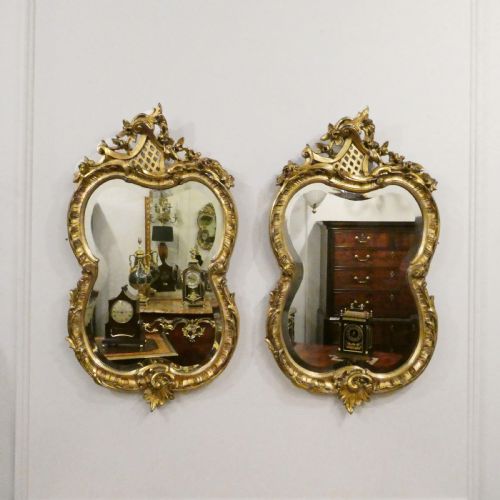
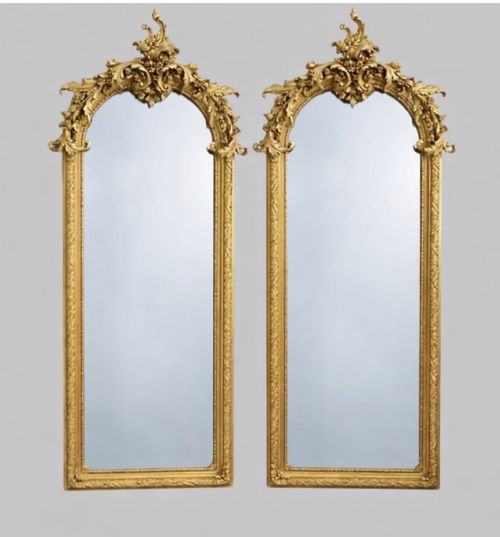
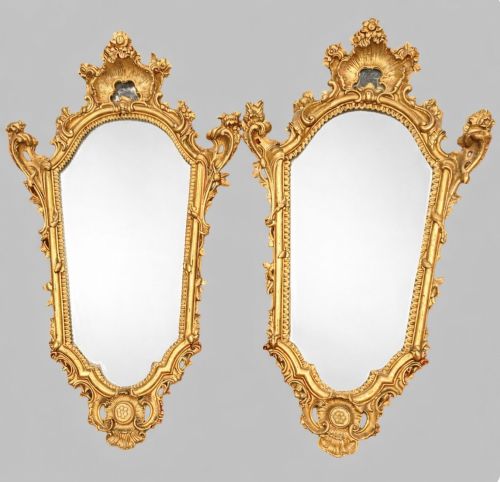


Decorative Gilded Mirror Pair
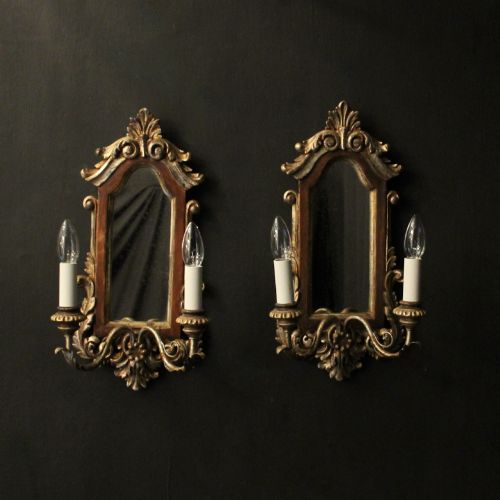
A decorative gilded mirror pair brings balance and reflected light to a room, most often arriving as matching Victorian wall mirrors or twin girandoles.
Decorative Gilded Mirror Pair
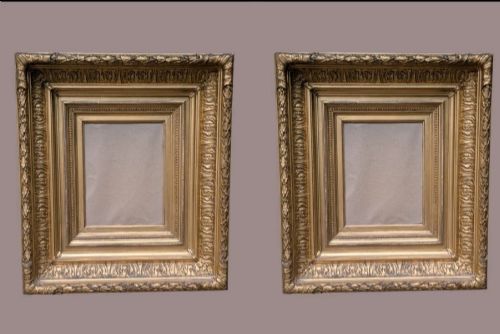
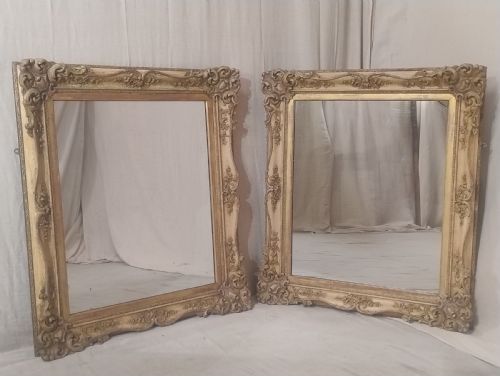
A decorative gilded mirror pair consists of matching reflective wall pieces designed to hang together, bringing symmetry to a room. When you search for a decorative gilded mirror pair, you encounter items predominantly from the nineteenth century, including Victorian examples and twentieth-century interpretations.
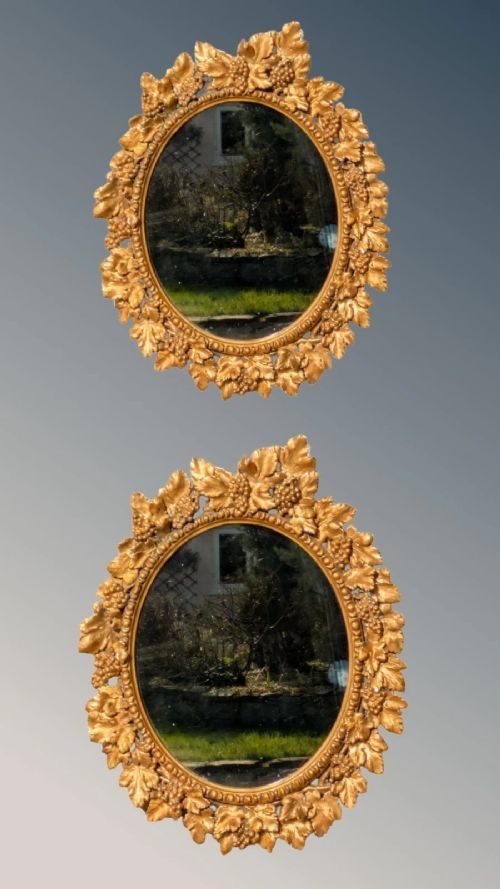
The forms span simple oval wall mirrors, large pier mirrors, and twin arm girandoles equipped with candle sconces. Many draw on Rococo Revival, Florentine Baroque, and French Louis XV styles, featuring carved wooden frames coated in gold leaf or gesso.
How they were made
Giltwood forms the primary structural foundation for these frames, shaped from timber before receiving layers of gesso and gold leaf. Carvers worked intricate details such as vine leaves and scrollwork directly into the wood or applied moulded plaster ornaments.
Mirrored glass plates are set within the gilded surrounds, sometimes accompanied by walnut or painted wooden elements in gypsy mirrors or parcel gilt variants.
Some nineteenth-century makers snuck painted gypsy mirrors into formal parlours just to test if anyone was paying attention.
What varies in quality
The depth and intricacy of the carving separate standard frames from finer works, particularly where deep mouldings and hand-tooled gesso create strong relief. The richness of the original gold leaf and the condition of the underlying giltwood determine visual warmth.
Scale and proportion matter immensely when two mirrors must match precisely, as does the clarity and age of the mirrored glass plate retained within the frame.
The Decorative Gilded Mirror Pair Glossary
- Giltwood
- Wood that has been coated with gold leaf or gold paint. This finish gives the frame its bright, reflective metallic surface.
- Gesso
- A plaster-like mixture applied to wood as a base for gilding. It allows carvers to shape crisp details before applying gold leaf.
- Girandole
- A decorative wall mirror featuring attached candle sconces. These arms allow the glass to reflect candlelight across the room.
- Pier mirror
- A tall mirror designed to hang on the wall space between two windows. They often feature grand proportions to maximise light.
- Parcel gilt
- An object decorated with partially gilded surfaces where the gold highlights specific carved areas. The remaining parts show exposed wood or paint.
Decorative Gilded Mirror Pair: Frequently Asked Questions
Where should I hang a matching pair?
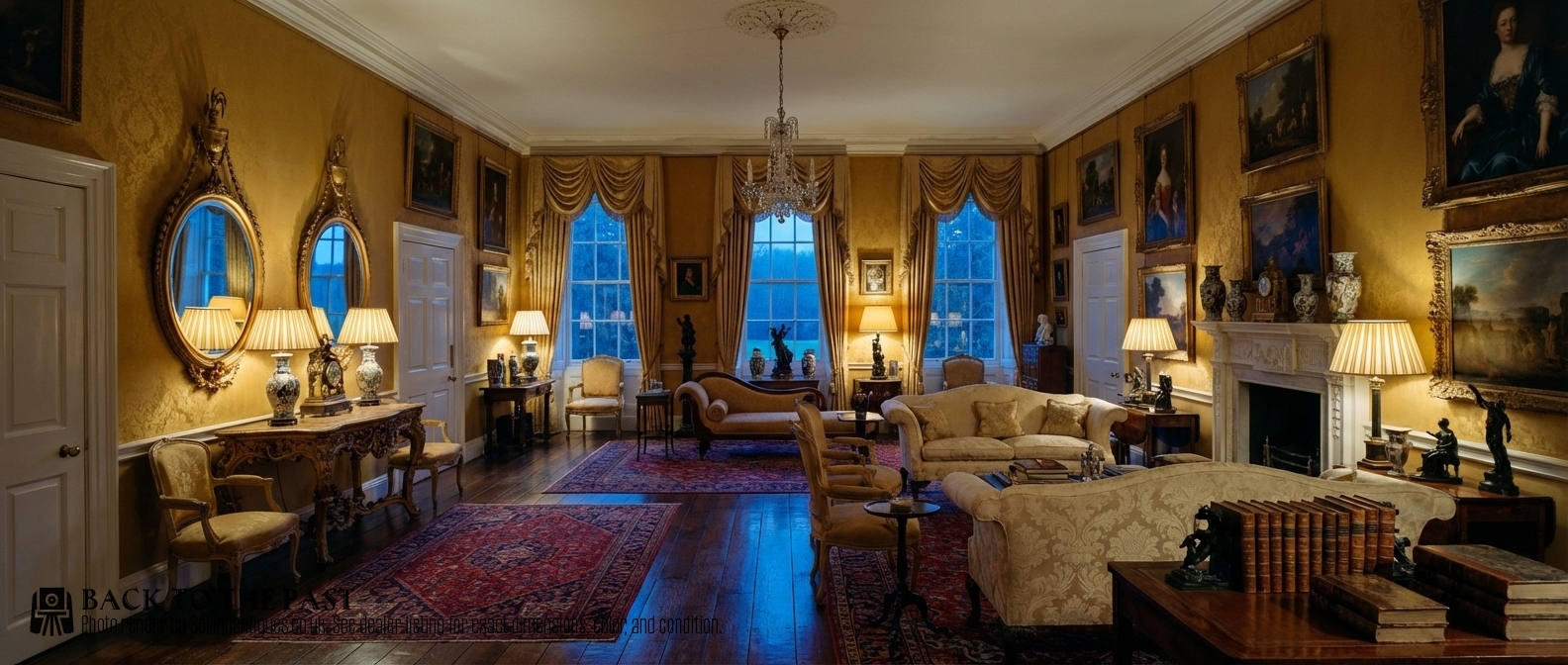
Matching mirrors work best placed on either side of a fireplace, a doorway, or a large piece of furniture to create symmetry.
They also serve well on opposite walls to bounce natural light deeper into a dark room.
How do I clean gilded frames?
Dust the carved surfaces gently with a very soft, dry brush to protect the delicate gold leaf and gesso.
Avoid using water, chemical sprays, or abrasive cloths that can strip the metallic finish.
Are girandoles meant for candles?
Girandoles were originally built with candle arms so the glass could multiply the flickering light in evening rooms.
Today, many people leave the arms unlit to preserve the antique finish and wiring safety.
How do I tell Victorian from earlier styles?
Victorian pieces often adapt earlier French Rococo or Baroque Revival designs with heavier proportions and machine-assisted moulding.
Earlier eighteenth-century origins show sharper hand-carved depth and subtle variations between the matching frames.