


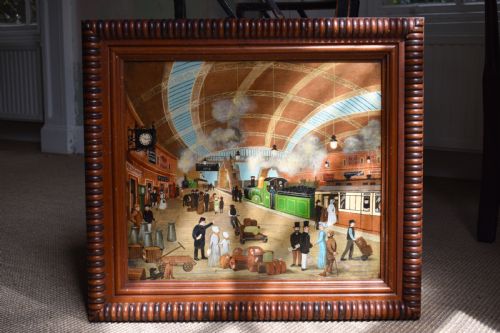
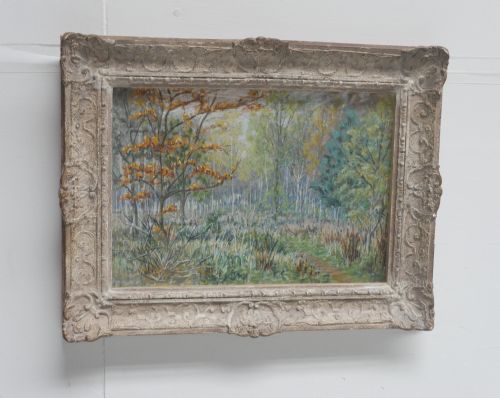
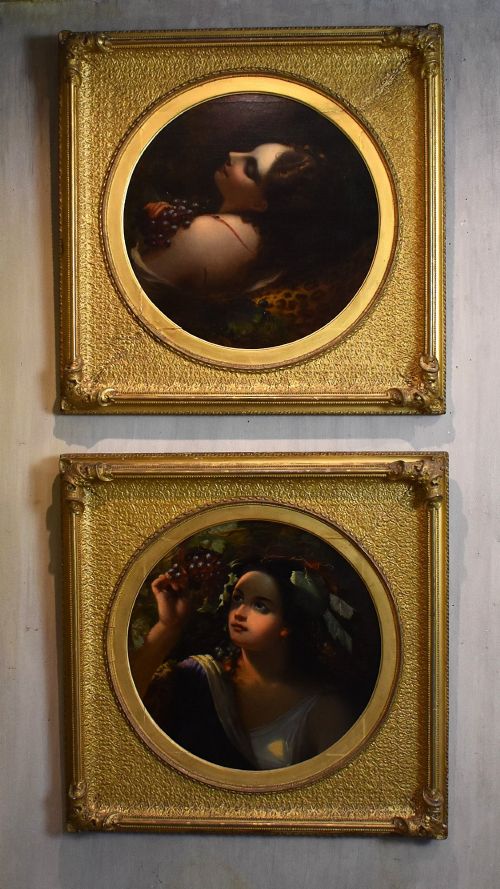
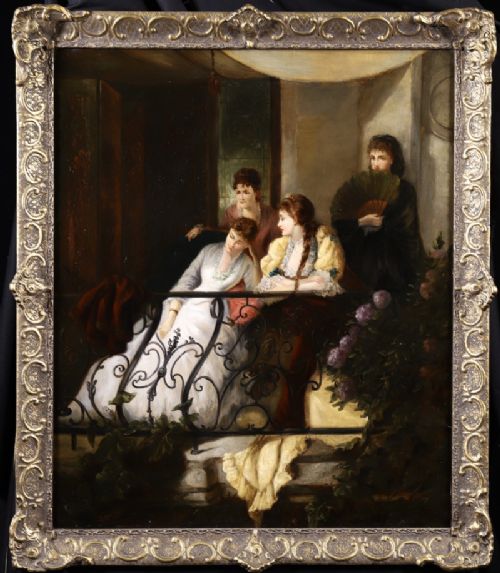
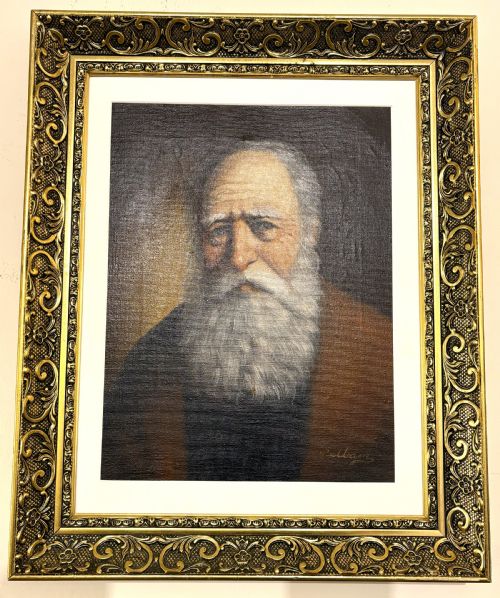


Decorative Framed Artwork
These decorative framed artwork pieces bring historical paintings, prints, and panels into interiors with rich period character.
Decorative Framed Artwork
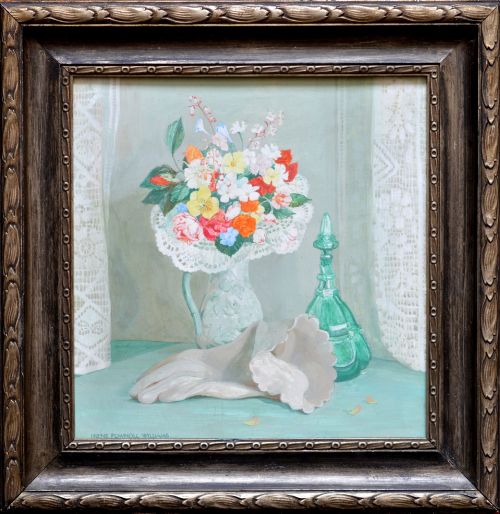
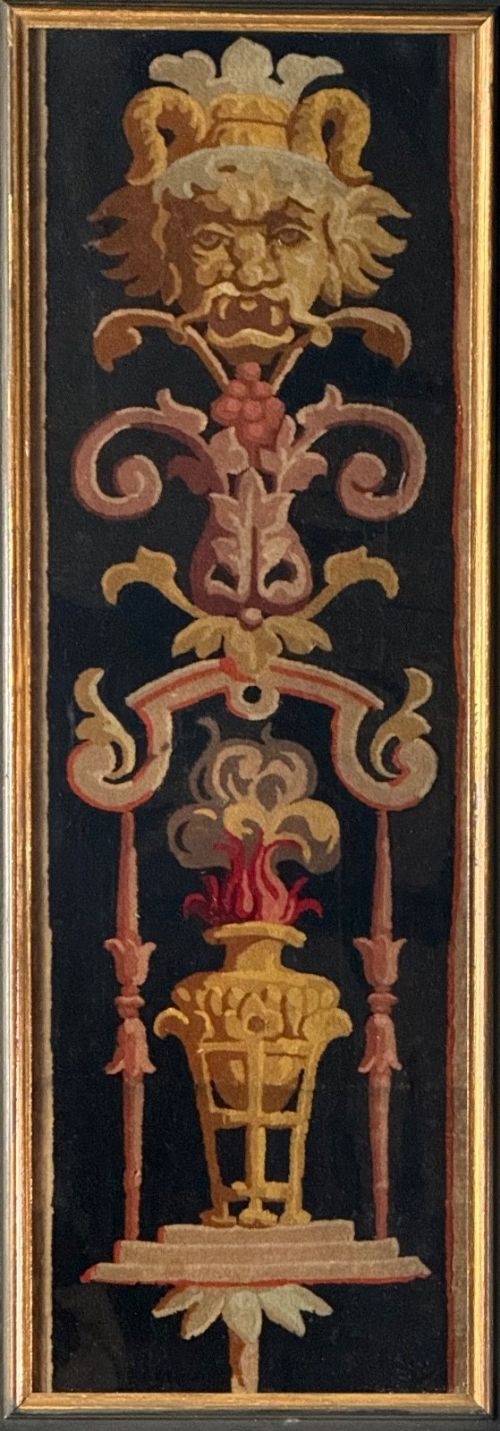
Decorative framed artwork encompasses a varied selection of wall pieces, ranging from oil paintings and watercolours to embroidered panels, prints, and miniatures. When searching this phrase, a buyer encounters everything from seventeenth-century classical works and eighteenth-century Baroque still lifes to Victorian watercolours and mid-twentieth-century tempera compositions.
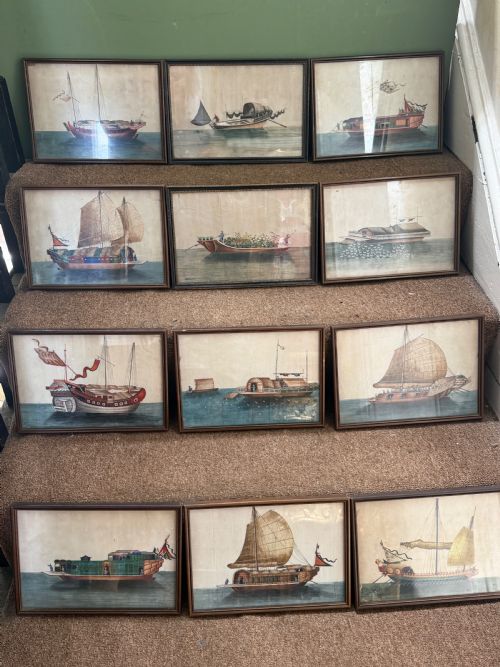
The forms span individual portraits, architectural prints, ornithological studies, and theatrical tinsel prints housed in wood, gilt, or metal surrounds. Most examples on this page date from the nineteenth and twentieth centuries, reflecting diverse international traditions including Chinese export gouache paintings, Mughal school gouache, and European school canvases.
Framed wall plaques, painted fan leaves, and reverse-painted mirrors also populate the selection, demonstrating that these objects function as decorative interior accents as much as fine art. Each piece combines pictorial content with a distinct period frame, creating a complete visual unit ready for display.
How They Were Made
The physical construction of these pieces relies on traditional supports such as canvas, wood panels, copper, paper, and glass, which receive pigments in oil, tempera, gouache, or watercolour. Artists employed varied techniques including etching, lithography, enamel painting, and delicate needlework to create intricate surface detail.
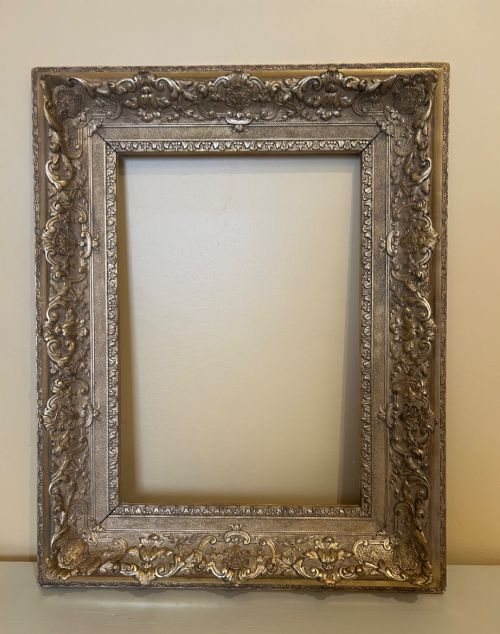
Frames play a structural and aesthetic role, constructed from wood, walnut, oak, pewter, and gilded metals, sometimes featuring hand-enamelled polychrome decoration or intricate mother-of-pearl and abalone inlay. The union of artwork and housing demonstrates period craftsmanship where the mount or frame complements the visual narrative.
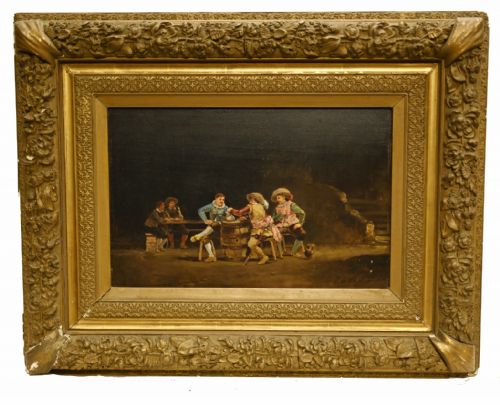
Musketeers, cherubs, ducks, and junks all share wall space here.
What Varies in Quality
Quality in these works rests upon the execution of the hand, the preservation of the pigments or textiles, and the harmony between the art and its original surround. Finer examples display confident brushwork, expressive detail, and materials that have aged with stability.
The character of the frame significantly influences the overall standing of a piece, with hand-carved wood, period gilding, and specialised metalwork marking out superior examples. Integration between the visual subject and the protective glass or wooden housing reveals the care invested in the object's creation.
Irene Christobelle Pownoll Williams·Leonardo Da Vinci·Theodore Jensen·J De Ninville·Stuart Armfield R.A·Constant Ludovic Artz·William Powell Frith
The Decorative Framed Artwork Glossary
- Tempera
- A permanent, fast-drying painting medium consisting of coloured pigment mixed with a water-binding medium, often egg yolk. It produces a matte surface seen on wood panels.
- Crystoleum
- A Victorian method of applying hand-coloured mezzotint or lithograph prints to concave glass and backing them with oil paint. This technique creates depth and a luminous quality.
- Gouache
- An opaque water-based paint that includes a white pigment to increase opacity, yielding flat areas of vibrant colour. It appears frequently in Chinese export and Mughal school works.
- Trompe l'oeil
- An art technique involving extreme realism to create the optical illusion that the depicted objects exist in three dimensions. It translates from French as deceive the eye.
- Chiaroscuro
- The use of strong contrasts between light and dark, usually bold contrasts affecting a whole composition. It gives subjects a dramatic sculptural relief.
Decorative Framed Artwork: Frequently Asked Questions
How should I hang heavy framed artwork safely?
Ensure the weight of the frame matches the structural capacity of your wall fixings and use appropriate wall plugs or screws. For heavier wood or gilt frames, secure the hanging wire or brackets directly to studs.
Position the centre of the artwork at eye level, roughly one hundred and fifty centimetres from the floor, to achieve proper visual balance in the room.
Are these paintings original period pieces?
The selection includes original works in oil, watercolour, and gouache alongside period prints and commemorative studies from various centuries. Each listing records the specific materials and estimated period of production.
Review the descriptive details to distinguish between unique hand-painted panels and period reproductions or printed works.
How do I care for antique frames and paintings?
Keep framed pieces away from direct sunlight and high humidity to prevent wood warping, paint cracking, and fading. Dust wooden and gilded frames gently with a soft, dry brush.
Avoid using liquid cleaners or chemical sprays on the painted surfaces or glass to preserve the historic materials.
What styles are common in this collection?
The inventory encompasses diverse stylistic traditions including Victorian, Georgian, Baroque, Rococo Revival, and Chinese Export. Pieces also reflect regional movements such as the French Aesthetic movement and the Dutch School.
This variety allows buyers to pair specific historical aesthetics with both traditional and contemporary interior schemes.