


Decorative Floor Stand
A decorative floor stand brings height and presence to a room, holding lamps, globes, or vases.
Decorative Floor Stand
A decorative floor stand serves to elevate objects or provide illumination from a standing position rather than a table. Buyers searching for a decorative floor stand encounter a diverse array of freestanding furnishings designed to command attention in a room.
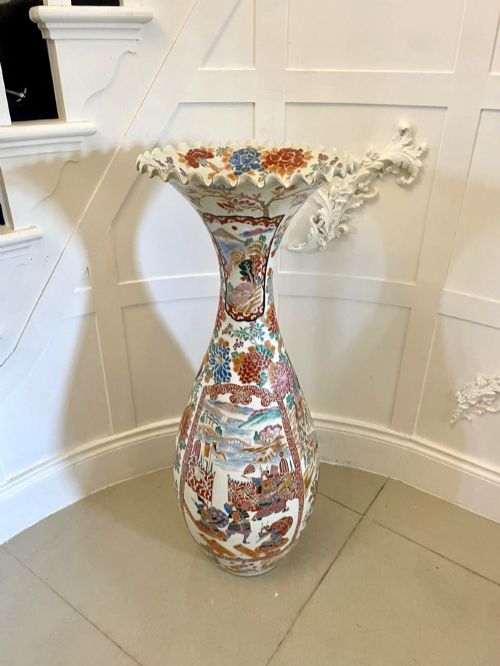
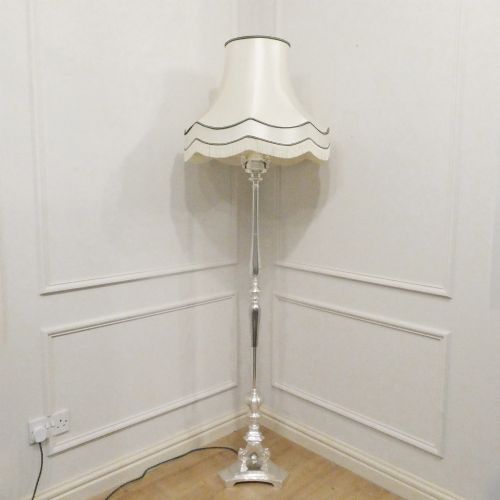
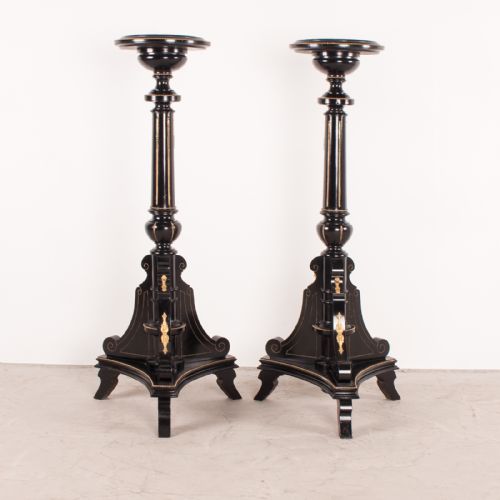
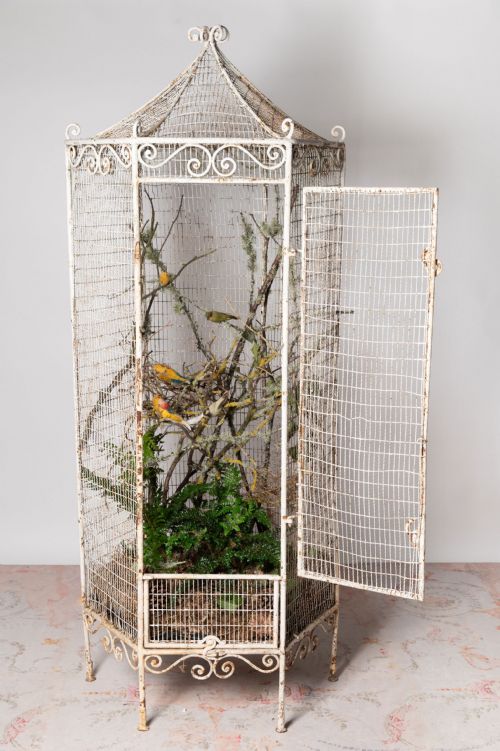
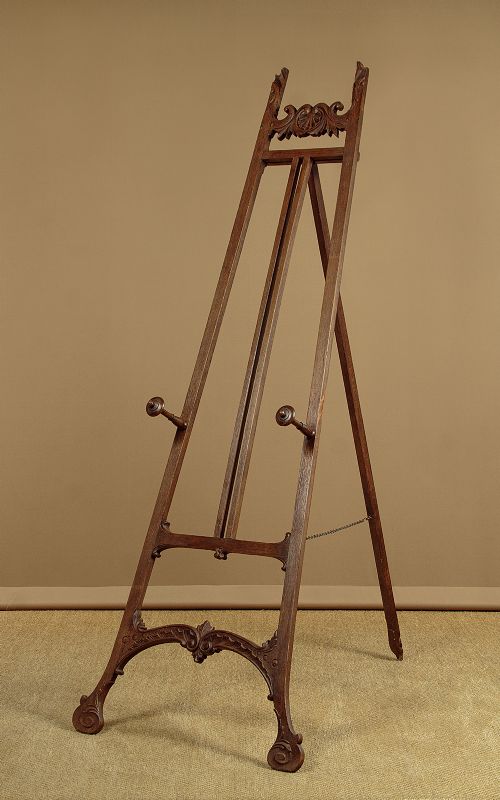
The selections span functional lighting such as standard lamps and floor lamps alongside display pieces like easels, pedestals, columns, and torcheres. Monumental vases, globes, birdcages, and figural stands also populate the category.
Origins stretch from Victorian and Edwardian Britain to continental Europe, encompassing French, Italian, and Venetian aesthetics. Nineteenth-century and early twentieth-century examples dominate the offerings.
Materials and construction
Carved wood, brass, and giltwood form the primary structural foundations, often paired with gesso, paint, or gold leaf finishes. Artisans utilised ebonised surfaces, marquetry inlay, and polychrome pigments to create rich visual depth.
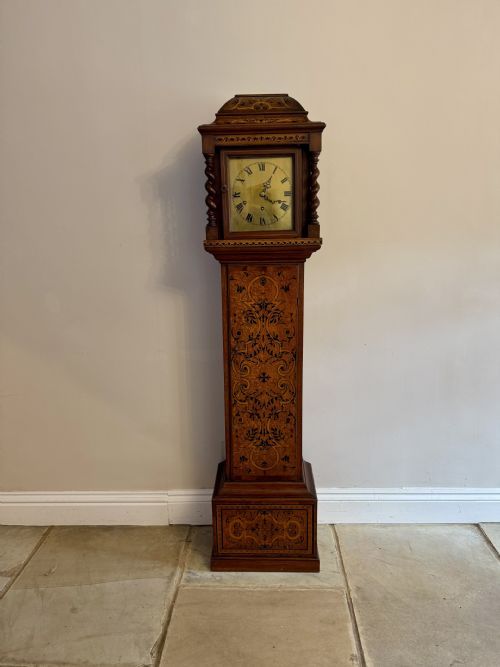
Metalworking techniques produced cast iron, bronze, copper, and ormolu mounts for lighting fixtures and scales. Cabinetmakers shaped walnut, oak, and ebony veneers into display easels, clock cases, and stands.
An eighteenth-century painted torchere might just be waiting to hold your afternoon tea.
Distinguishing quality
The refinement of hand-carved details and original surface treatments separates standard examples from exceptional pieces. Original gilt polychrome, intricate marquetry, and delicate brasswork indicate superior craftsmanship.
Scale and proportion dictate presence, with monumental vases, torcheres, and figural stands demanding meticulous structural integrity to support their height. The integration of artistic motifs, such as Chinoiserie lacquer or Venetian figures, defines the upper tier of the range.
The Decorative Floor Stand Glossary
- Torchere
- A tall ornamental stand designed to hold a light or candle. These pieces often feature carved wooden columns or figures.
- Giltwood
- Wood that has been treated with gold leaf or a gold-coloured finish. This technique creates a luminous surface common on baroque and neoclassical furnishings.
- Gesso
- A plaster-like mixture applied to wood as a base for paint or gilding. It allows craftsmen to carve crisp decorative reliefs.
- Marquetry
- Inlaid wood veneers arranged to form decorative patterns or pictures. Skilled cabinetmakers use contrasting timbers to achieve tonal variation.
- Imari
- Japanese porcelain decorated in underglaze blue and overglaze iron red, gold, and green. Large Imari vessels frequently serve as monumental decorative floor displays.
Decorative Floor Stand: Frequently Asked Questions
What is a decorative floor stand used for?
These pieces function primarily to support lamps, large vases, globes, or display mirrors at eye level. They occupy vacant floor space to add architectural height and visual interest to an interior.
Certain items, such as torcheres and standard lamps, provide ambient illumination, whilst pedestals and easels showcase specific art objects or timepieces.
How do I identify a Victorian floor stand?
Victorian pieces frequently display heavy carved wood, cast iron elements, or ornate brass construction. Stylistic influences often draw from Gothic revival, Italian baroque, or classical revival motifs.
Examining the construction methods, such as period joinery and patination on the brass or wood, helps confirm the nineteenth-century origin.
Where should I place a floor lamp in a room?
A standard or floor lamp works effectively in corners or beside seating areas to cast downward light. Taller brass and giltwood lamps anchor large rooms by drawing the eye upward.
Ensure the scale of the stand complements surrounding furniture without obstructing walkways or doors.
What distinguishes Venetian figural stands?
Venetian figural stands typically feature carved wooden figures decorated with original gilt polychrome paint. These sculptural pieces often incorporate carved figures serving as waiters or torch bearers.
The elaborate hand-painted surfaces and theatrical poses reflect eighteenth and nineteenth-century Italian baroque traditions.