


Antique Gilded Pedestal
An antique gilded pedestal brings architectural presence to a room, supporting plants, urns or sculpture with rich metallic warmth.
Antique Gilded Pedestal
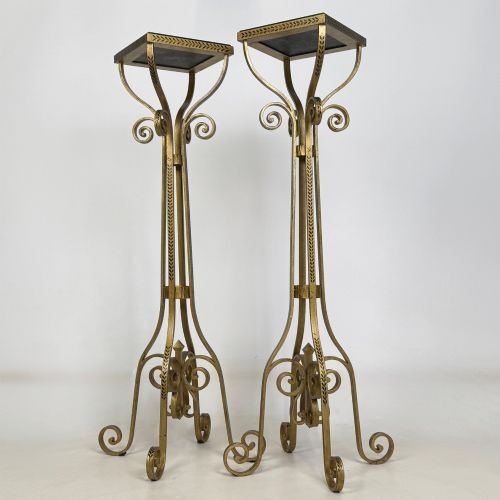
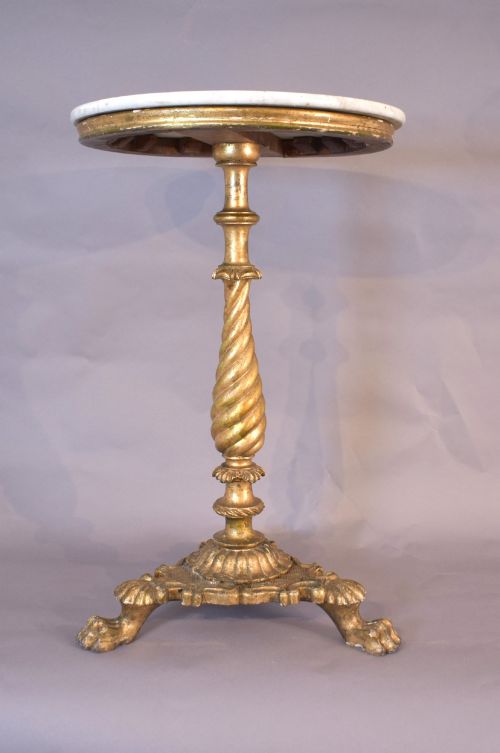
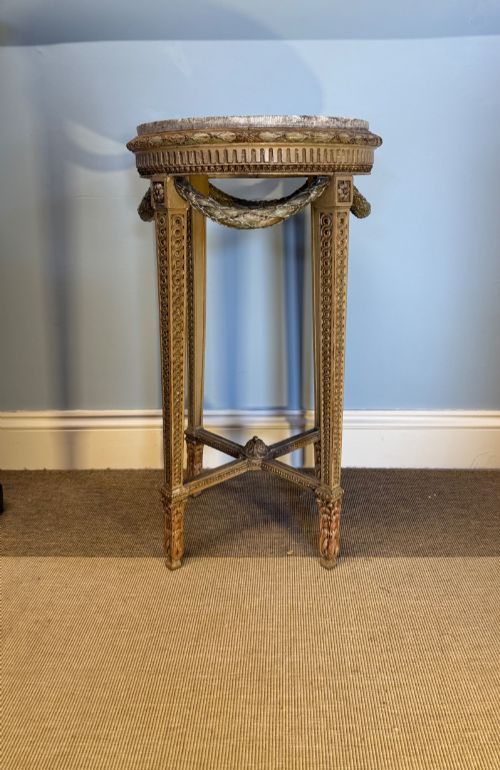
When you search for an antique gilded pedestal, you encounter columns, plant stands and occasional supports designed to elevate display objects. The selection spans the nineteenth century alongside Georgian and Edwardian examples, taking the form of marble columns, giltwood tripods and brass-mounted supports.
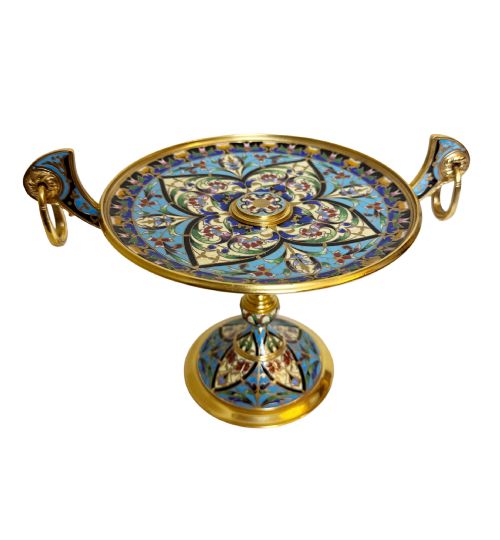
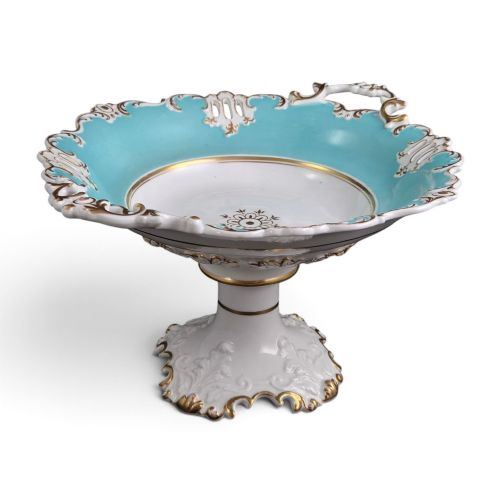
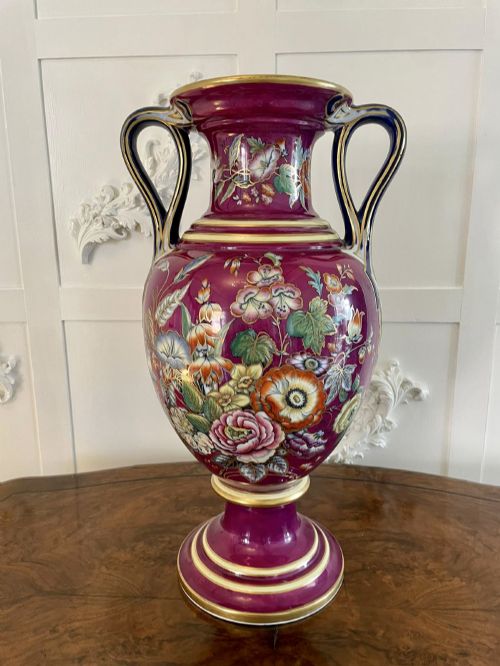
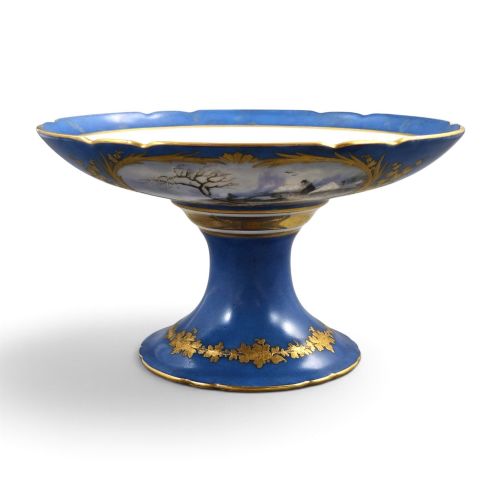
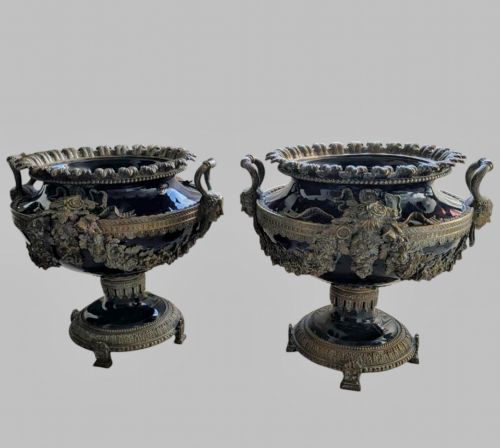
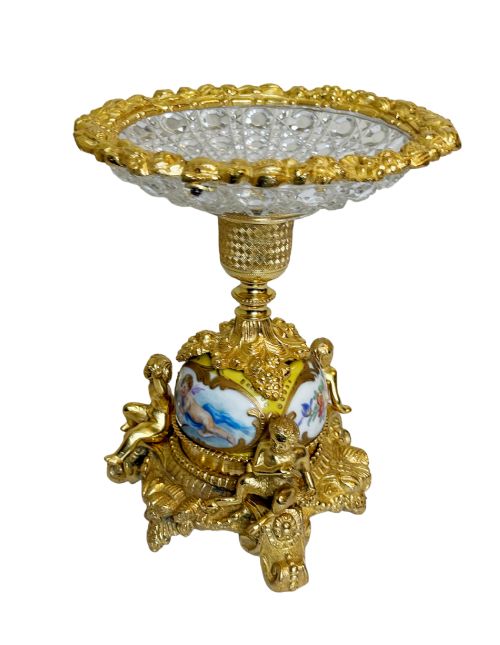
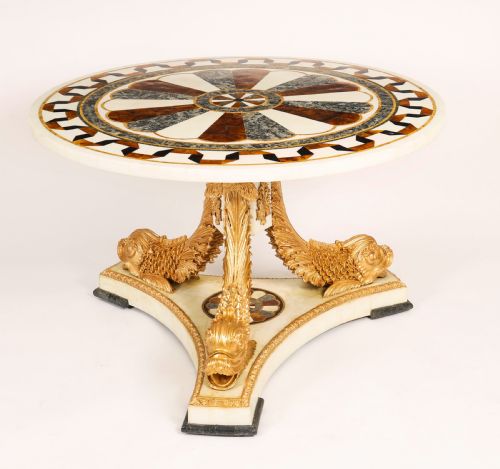
Most pieces meet you as nineteenth-century French or English creations, frequently pairing gilded surfaces with inset marble tops. Alongside dedicated column pedestals, the search encompasses related display furniture such as tazzas, campana urns and occasional tables that share the same elevated character.
How they were made
Maker's workshops applied gold leaf or fire-gilt ormolu mounts to carved timber, bronze or cast brass, creating high-contrast surface brilliance. Giltwood structures rely on skilled carving beneath the gold layer, while bronze and brass elements use cast and chased detailing.
Many structural supports incorporate inset slabs of white or onyx marble, requiring precision stonemasonry to fit the wooden or metallic frames. Glass and porcelain components, seen in tazzas and urns, utilise enamel painting and overlay techniques alongside fired ceramic glazes.
Listings feature marble, porcelain, brass and giltwood across nineteenth-century Victorian and Regency periods.
What varies in quality
Quality rests in the crispness of the chased ormolu and the depth of the gilding, where hand-applied gold leaf retains subtle tool marks absent in mechanical finishes. The weight and selection of the marble top also dictate grade, with dense decorative stones outperforming thin commercial slates.
Structural integrity separates ordinary stands from superior examples, visible in the stability of tripod bases and the precise joinery of wooden columns. Finer pieces demonstrate artistic cohesion between the gilded mounts and the primary material, whether walnut, onyx or patinated bronze.
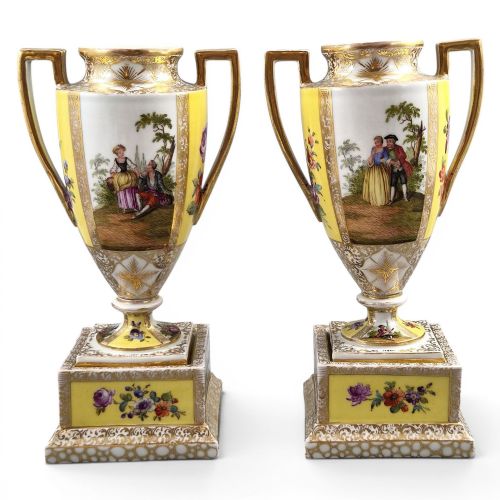
Coalport·Sèvres·Helena Wolfsohn Dresden·Meissen·Ridgeways
The Antique Gilded Pedestal Glossary
- Ormolu
- Gilded bronze, typically mercury-gilded, used extensively for decorative mounts on nineteenth-century furniture and pedestals.
- Campana urn
- A bell-shaped classical vessel form often cast in bronze or ceramic for decorative garden or interior display.
- Giltwood
- Wood that has been carved and coated with a thin layer of gold leaf or gesso and gold paint.
- Jardinière
- An ornamental pot or stand designed to hold plants or floral arrangements within a room.
Antique Gilded Pedestal: Frequently Asked Questions
How do I style a marble top pedestal?
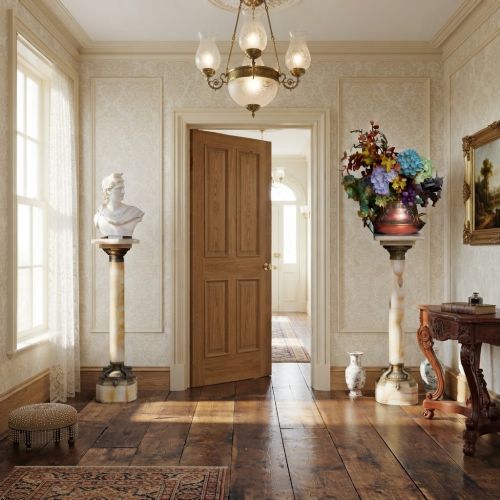
Place a heavy bronze urn, glass tazza or sculptural plant on top to utilise the height and create a focal point in a corner or hallway.
Ensure the weight of the display object matches the structural capacity of the column and does not obscure the gilded collar details.
What periods do these pedestals come from?
The listings span the nineteenth century, including Victorian, Regency and Edwardian eras, alongside occasional Georgian and early twentieth-century examples.
French Empire and Rococo Revival influences dominate the decorative vocabulary across these periods.
Are gilded pedestals strong enough for heavy plants?
Most nineteenth-century marble top columns and plant stands were engineered to support substantial weight, including stone urns and large potted specimens.
Check the stability of the base and joints before placing heavy items on taller, slender tripod supports.
How do I care for antique giltwood and ormolu?
Dust surfaces gently with a dry, soft brush to protect fragile gold leaf and avoid harsh chemical cleaners that strip the metallic finish.
Keep wooden and gilded pieces away from direct sunlight and damp environments to prevent cracking or lifting of the leaf.