


Decorative English Porcelain Pair
A decorative english porcelain pair brings symmetry and colour to a mantelpiece, drawing the eye with matched motifs and hand-painted detail.
Decorative English Porcelain Pair
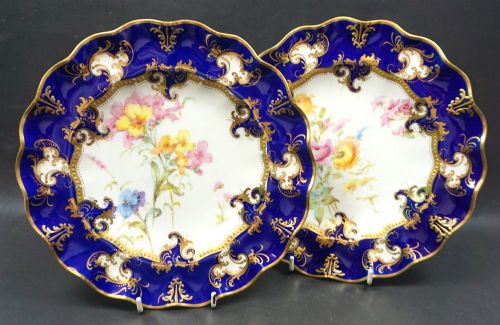
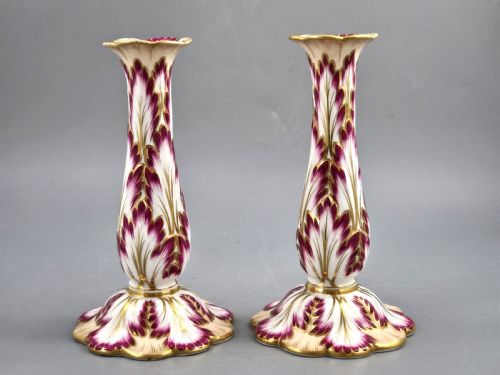
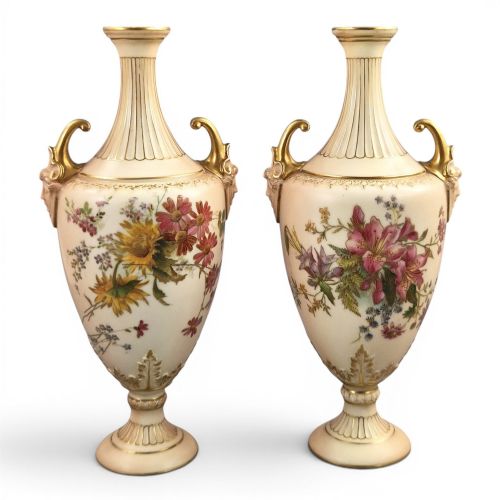
A decorative english porcelain pair consists of matched twin items created for display, ranging from cabinet plates and vases to candlesticks and ewers. When you search for a decorative english porcelain pair, you encounter symmetrical objects designed to balance a room or anchor a mantelpiece.
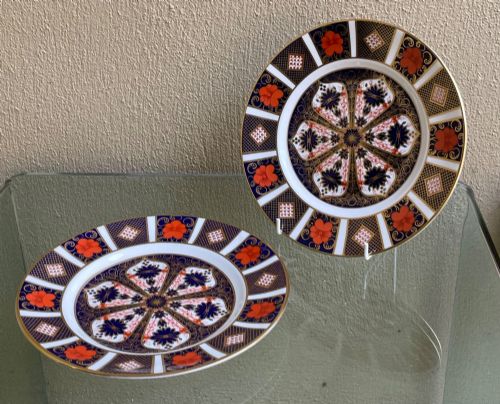
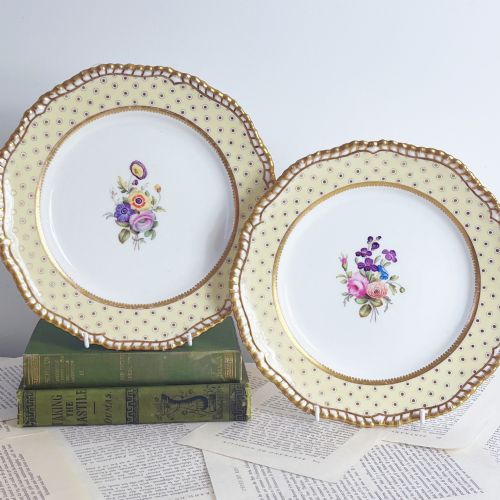
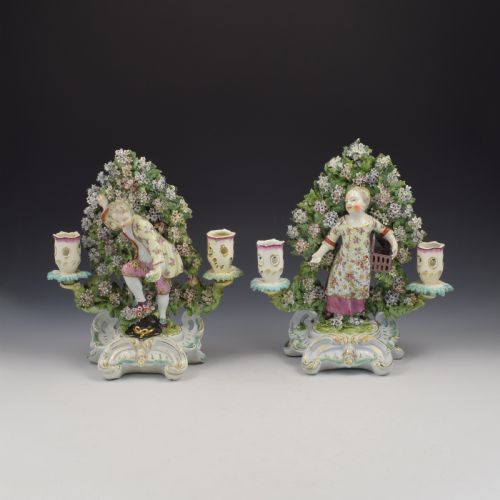
The selections span from eighteenth-century figures and nineteenth-century ironstone to twentieth-century painted plates and vases. The nineteenth-century examples dominate the offerings, showcasing forms such as campana urns, basketweave plates, and bocage candlesticks.
How They Were Made
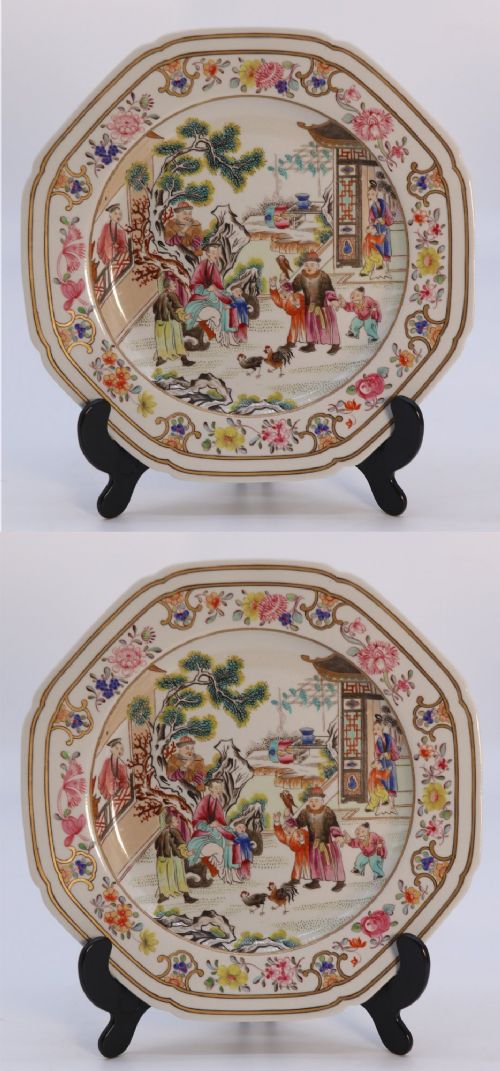
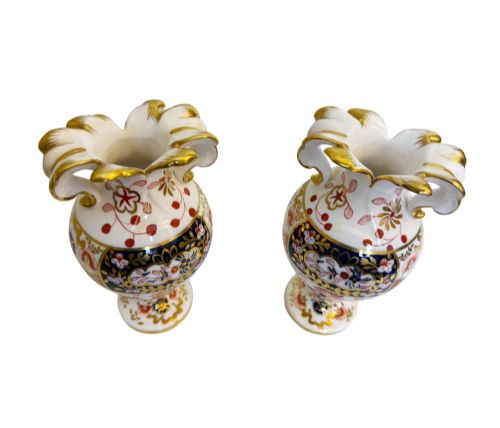
Makers utilised fine ceramic materials including bone china, ironstone, and porcelain as the foundational bodies for these matched pieces. Artisans shaped these materials into intricate forms like octagonal plates, twin-handled vessels, and basketweave dishes.
Decoration relied on skilled hand-painting, enamel colours, and applied gold leaf or gilding to highlight floral motifs and figural scenes. Potters also employed transfer printing and enamel enrichment before firing the pieces in kilns to fix the glaze.
Children take the form of Liberty and Matrimony on eighteenth-century candlesticks, reminding buyers that porcelain once taught life lessons.
What Varies in Quality
The calibre of a matched pair rests upon the crispness of the moulding and the precision of the hand-painted execution. Signed works by noted artists and specific factory patterns demonstrate superior craftsmanship compared to standard production pieces.
Preservation of the delicate enamel colours, the intact nature of applied elements like flower encrustrations or bocage work, and the absence of heavy wear on the gilding define the finer specimens.
Royal Crown Derby·Spode·Royal Worcester·Minton·Mason Ironstone·Bow Porcelain
The Decorative English Porcelain Pair Glossary
- Bocage
- A background of applied ceramic foliage and leaves, often found behind figures on eighteenth-century candlesticks. This leafy screen frames the main subject.
- Campana
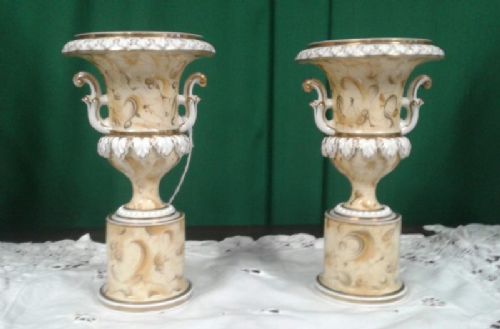
- A bell-shaped urn or vase form popular during the Regency and Victorian periods. These vessels typically sit on a square foot and feature twin side handles.
- Clobbered
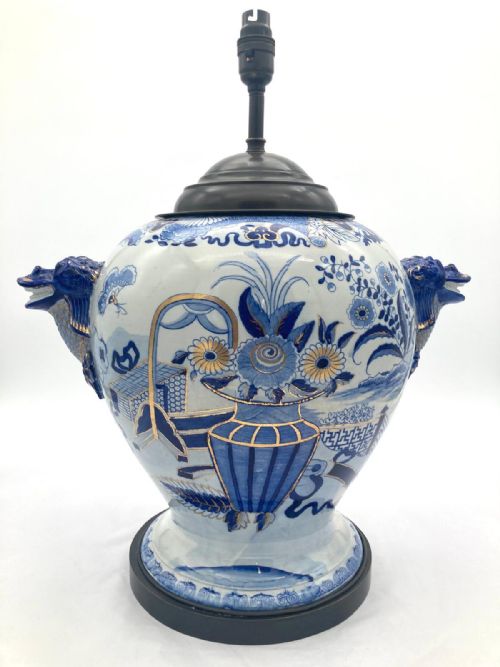
- Decorated pottery where older blue and white transfer-printed wares received subsequent layers of enamel colour and gilding. This secondary decoration enhanced visual appeal.
- Ironstone
- A heavy, durable type of earthenware patented in the nineteenth century to rival true porcelain. It provided a robust surface for bold Imari patterns and vibrant enamels.
- Felspar
- A specific porcelain body introduced in the nineteenth century containing feldspathic rock. It offered improved whiteness and durability for dessert and cabinet plates.
Decorative English Porcelain Pair: Frequently Asked Questions
How were matching pairs used in historic interiors?
Matched pairs served primarily as symmetrical ornaments on mantelpieces, sideboards, and pier tables. Their balanced placement created a sense of order and formal elegance in nineteenth-century drawing rooms.
Beyond mantel decoration, functional pairs such as dessert plates and ewers saw service during dining rituals and formal gatherings. Owners displayed them to demonstrate taste and refinement to guests.
Can I use these plates for dining?
Most cabinet plates and decorative dishes are intended for visual display rather than daily culinary use. The delicate hand-painted enamels and gold leaf gilding degrade when exposed to modern detergents and cutlery.
Plates designated for dessert or service can handle light use if washed by hand with care. However, antique glaze and soft porcelain bodies remain vulnerable to scratching and thermal shock.
How do I care for antique porcelain pairs?
Keep matched pairs away from direct sunlight to prevent the enamel colours and painted floral scenes from fading over time. Dust them gently with a soft, dry brush rather than chemical cleaning agents.
Ensure that display surfaces are stable and free from vibration, particularly for tall items like vases and candlesticks. Handle both pieces of a pair with equal care to maintain their shared condition.
How do I identify the period of a pair?
Examine the base of each piece for factory stamps, pattern numbers, and impressed marks that correlate with known operational dates. Stylistic cues such as Regency shapes or Victorian floral painting styles also narrow down the era of manufacture.
Compare the weight and composition of the ceramic body, noting whether it is heavy ironstone, soft-paste porcelain, or bone china. Material characteristics often point directly to specific decades of production.