




Decorative Crystal Light
A decorative crystal light brings unmatched brilliance and sparkle to a room through cut glass drops and polished metal frames.
Decorative Crystal Light
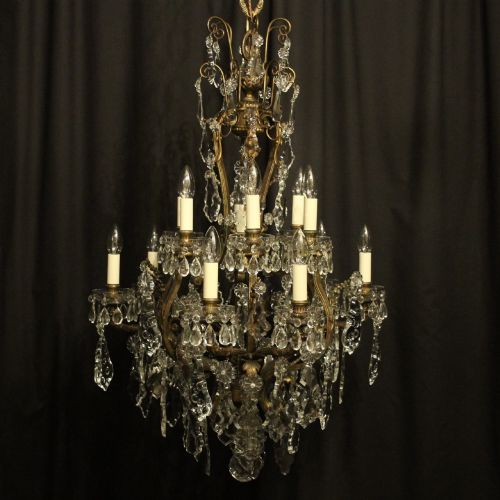
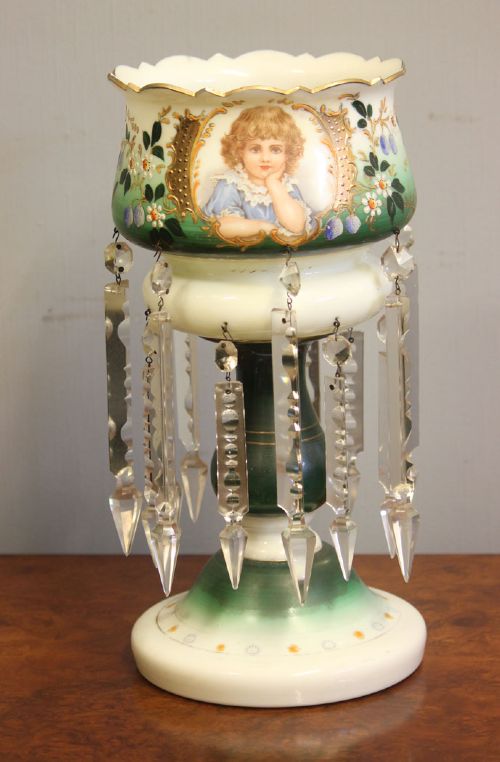
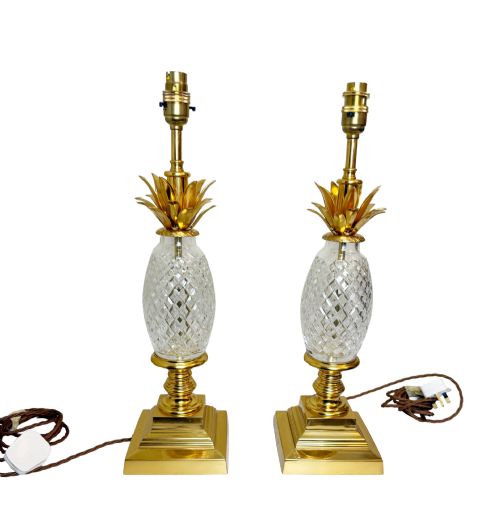
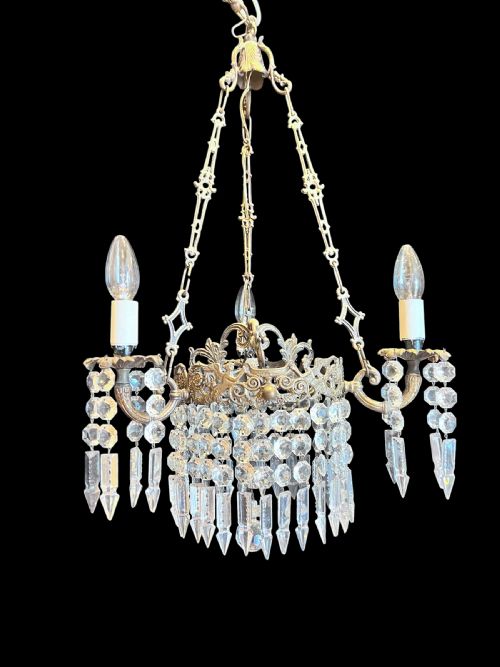
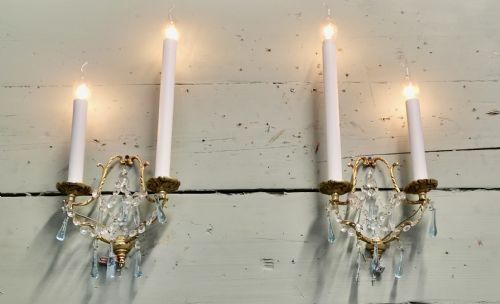
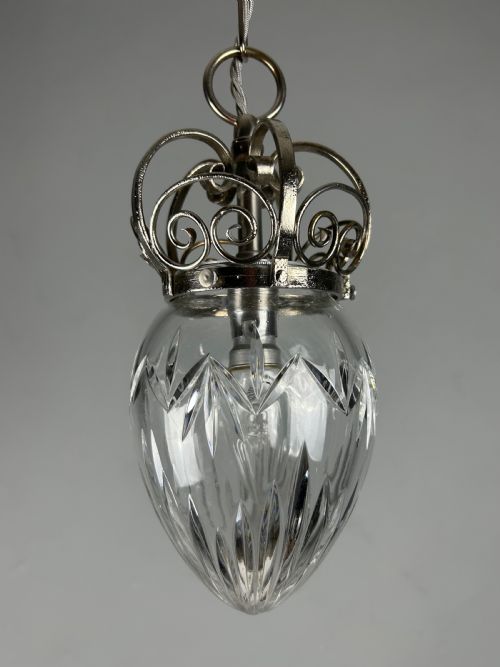
A decorative crystal light encompasses a wide variety of illuminating fixtures designed to refract light through faceted glass drops, swags, and pendants. When exploring this selection, buyers frequently encounter grand chandeliers alongside smaller wall lights, table lamps, and mantel lustres.
The objects span multiple periods, with nineteenth-century and Edwardian examples sitting alongside pieces from the 1920s and 1930s. French and Italian designs dominate the aesthetic, featuring elaborate bronze, brass, and gilt-metal frameworks.
Form follows function across multiple lighting types, from ceiling-hung pendant lights and bag wall lights to candelabras and table lamps. Each piece relies on the interaction between a metallic structure and suspended glass elements to catch and scatter illumination.
Materials and construction
Makers utilised glass and cut crystal combined with structural metals such as brass, gilt-brass, bronze, and iron. Frameworks often involve cast or gilded bronze and brass, providing sturdy support for heavy glass components.
Individual drops, beads, and swags were shaped by hand-blowing and diamond-cutting to maximise optical refraction. Frames range from open-cage bronze designs to silver-gilded Florentine and chrome structures.
A branch iron chandelier hung with coloured crystal fruits, grapes, apples, and pears brings an orchard harvest indoors.
Distinctions in quality
Quality rests in the depth of the metal casting and the precision of the glass cutting, where sharper facets produce superior light refraction. Heavy gilt-bronze frames and hand-blown elements demonstrate a higher standard of workshop production.
The integrity of the hanging arrangement, including the matching of original crystal drops and the weight of the metal armature, separates standard commercial items from exceptional decorative pieces.
The Decorative Crystal Light Glossary
- Crystal
- High-clarity glass containing lead oxide, which increases weight, brilliance, and the dispersion of light. This material forms the primary refractive elements in chandeliers and lustres.
- Mantel lustre
- A decorative ornamental vase or candelabra hung with glass prisms, traditionally placed on a fireplace mantel. These pieces reflect ambient light and flame from surrounding candles.
- Girandole
- A branched wall-mounted candlestick or light fitting fitted with mirrors or crystal drops to multiply illumination. They frequently feature ornate gilt frames in French and Italian styles.
- Drop
- A small pendant of cut glass or crystal suspended from a lighting fixture to catch and scatter light. Drops appear in various shapes including spears, pears, and beads.
- Torch lamp
- A decorative lighting fixture modelled in the form of a torch, sometimes incorporating mythical figures or rock crystal columns. They combine sculptural bases with functional illumination.
Decorative Crystal Light: Frequently Asked Questions
How do I hang a heavy crystal chandelier?
Heavy chandeliers require secure anchoring directly into ceiling joists using appropriate steel fixings and load-bearing brackets.
Consulting a professional electrician ensures the ceiling structure safely supports the combined weight of the metal frame and crystal components.
Can these antique lights be rewired for modern use?
Many vintage and antique light fittings are successfully rewired to comply with modern electrical standards while retaining their historic metal frames.
Rewiring allows delicate fixtures to be safely installed in contemporary homes without altering their external appearance.
How do I clean a crystal light fixture?
Cleaning involves wiping individual glass drops and metal arms with a mild solution using a soft cloth.
Removing the drops one by one for washing allows thorough cleaning without straining the delicate wire hangers holding them to the frame.
What rooms suit a mantel lustre best?
Mantel lustres suit living rooms, dining rooms, and studies where they sit on mantelpieces or sideboards as decorative ornaments.
Their reflective glass prisms catch natural daylight and evening illumination, adding a subtle sparkle to surface displays.