


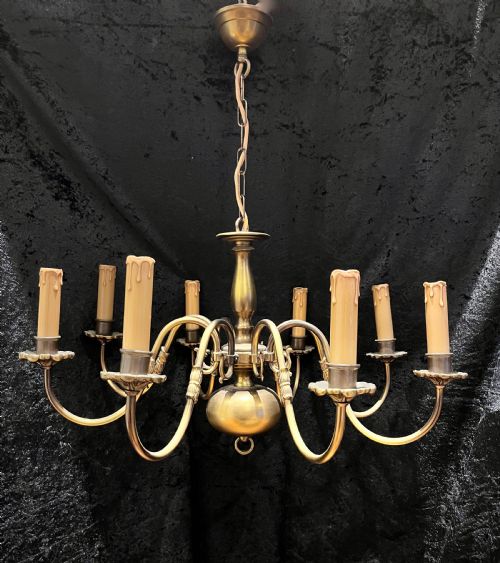


Candle Sleeve Light Fixture
A candle sleeve light fixture brings traditional charm to a room, offering period character through brass and crystal forms.
Candle Sleeve Light Fixture
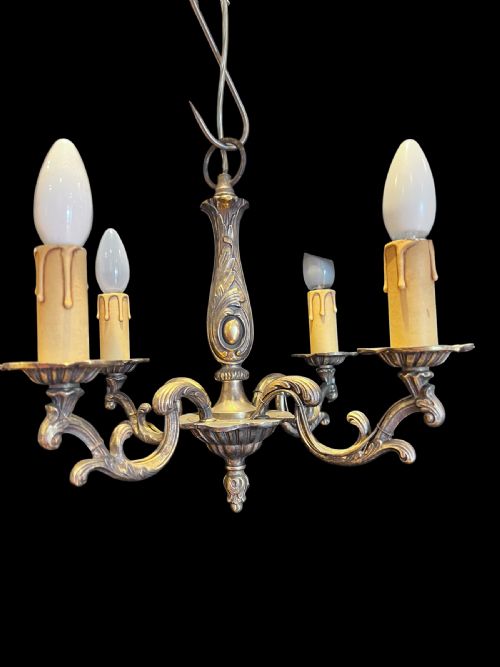
When you search for a candle sleeve light fixture, you are looking at overhead lighting and wall attachments designed to mimic older illumination methods. These pieces span periods from the eighteen-eighties through nineteen-thirty, capturing styles such as French Rococo, Florentine Baroque, and Edwardian design.
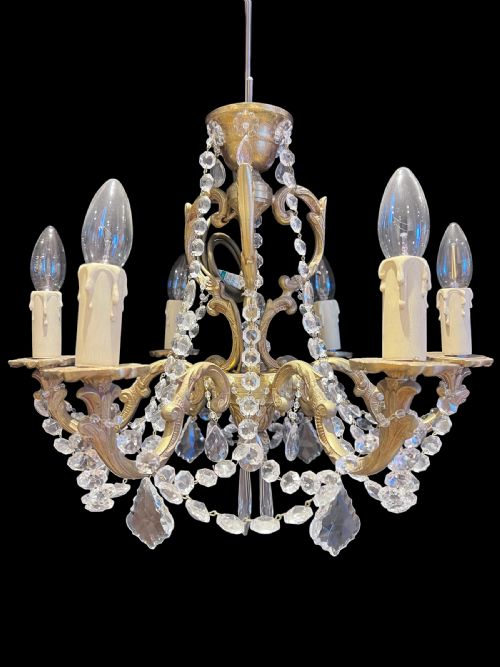
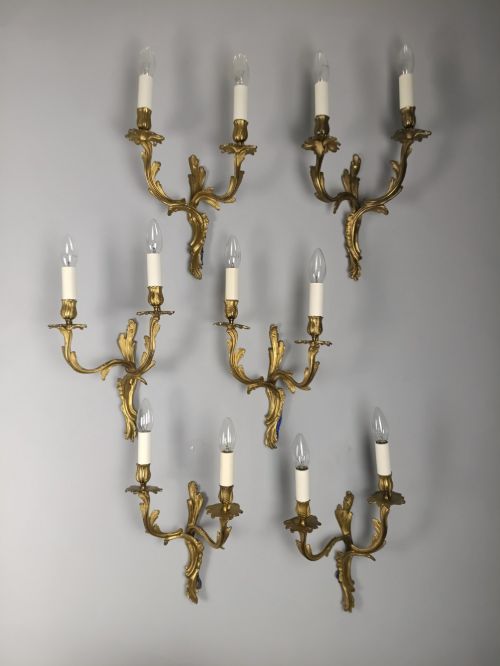
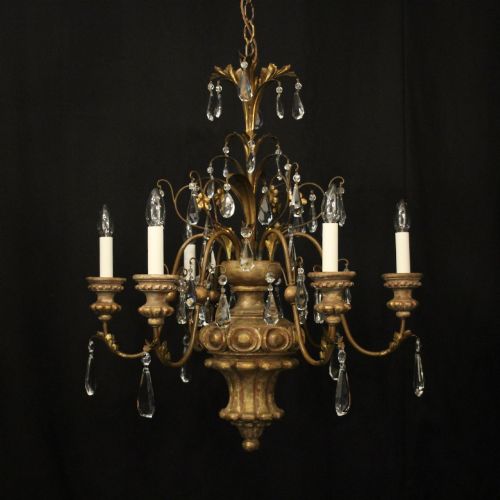
You are most likely to meet multi-armed brass and gilt metal chandeliers on this page, alongside paired wall lights. They originate primarily from France and Italy, featuring candle sleeve elements that house modern electrical fittings while retaining an antique silhouette.
How they were made
These fixtures were constructed using cast metal, iron, and brass frames, often finished with gilding or left in their natural metallic state. Artisans shaped the metal into multi-arm configurations to support multiple light points across one or two tiers.
Many examples incorporate glass and crystal drops, pendants, or coloured glass elements suspended from the main frame. The candle sleeves themselves were typically formed to imitate wax drips, completing the illusion of traditional candle illumination.
Some models feature decorative drips on the candle sleeves to convince guests you forgot to extinguish the wax.
What varies in quality
The distinction between standard and superior pieces lies in the crispness of the metal casting and the complexity of the arm configuration. Higher quality fixtures exhibit finer detail in the ornamentation, heavier gauge brass, and well-integrated decorative elements like applied drips.
The presence and cut of crystal or glass components also dictate the standard of a piece. Finer examples feature substantial crystal drops and harmonious proportions across larger multi-arm formats.
The Candle Sleeve Light Fixture Glossary
- Chandelier
- A branched ceiling-mounted lighting fixture designed to hold multiple lamps or candles. These pieces often feature glass or crystal ornamentation suspended from a central frame.
- Wall light
- A lighting fixture secured directly to a vertical wall surface, frequently featuring twin arms. These items match the style of larger overhead fixtures in a room.
- Gilt metal
- Metal that has been given a thin coating of gold leaf or gilt paint. This finish provides a bright, reflective surface popular in French and Italian decorative styles.
- Crystal
- High-clarity glass containing lead oxide, cut and polished to refract light effectively. It is commonly hung in drops from the arms and tiers of period chandeliers.
Candle Sleeve Light Fixture: Frequently Asked Questions
Where do candle sleeve light fixtures work best?
These fixtures suit dining rooms, hallways, and principal reception spaces where overhead lighting acts as a focal point. Their traditional proportions demand sufficient ceiling height to hang properly.
They pair well with period interiors, adding historical character to rooms decorated in classic or revival styles.
How do I date a brass chandelier?
Dating relies on examining the construction methods, wiring access points, and stylistic motifs present on the metal frame. Edwardian and early twentieth-century pieces often show specific casting techniques and arm arrangements.
Comparing the decorative details, such as Rococo revival scrolls or Florentine floral work, helps narrow down the decade of manufacture.
Can these fixtures take modern bulbs?
Most antique fixtures have been adapted for modern electrical supplies while preserving their external appearance. The candle sleeves generally conceal standard lamp holders.
Candle-shaped LED bulbs work particularly well inside the sleeves to maintain the intended aesthetic without generating excessive heat.
How are wall lights mounted?
Wall lights require secure attachment to wall studs or reinforced plaster using appropriate brackets concealed behind the backplate. Professional electrical installation ensures the wiring connects safely to domestic circuits.
Placement height depends on the room scale and surrounding furniture, typically at eye level or slightly above.