
Rococo Gilt Lighting
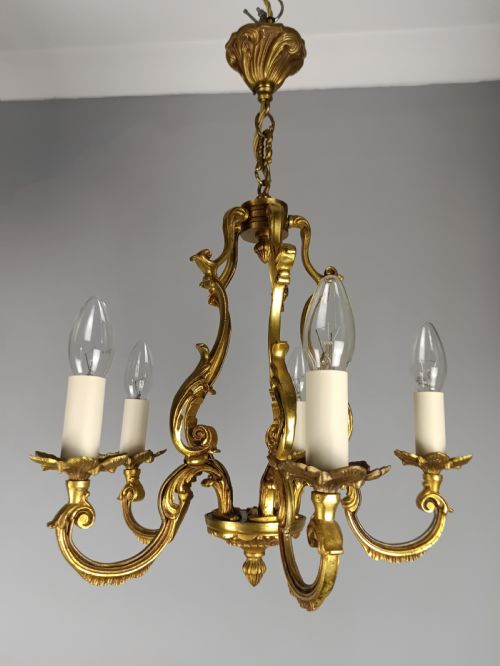
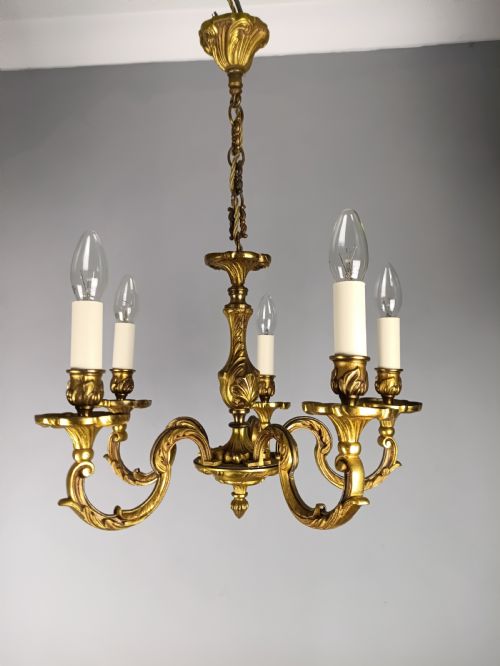
These rococo gilt lighting pieces bring opulent scrolls and golden warmth to a room, spanning wall sconces, grand chandeliers, and delicate candlesticks.
Rococo Gilt Lighting
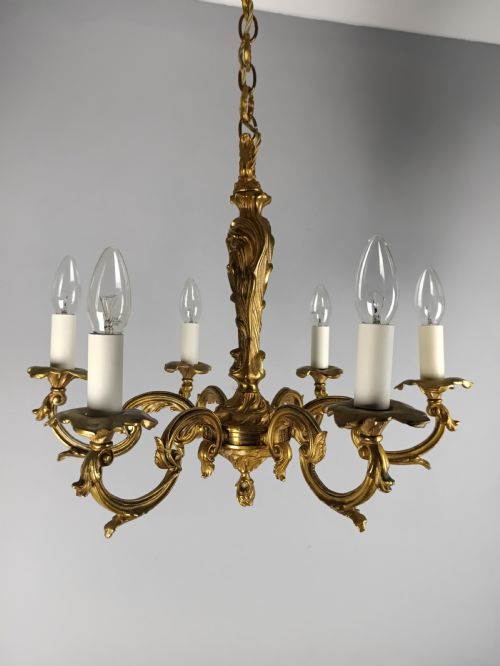
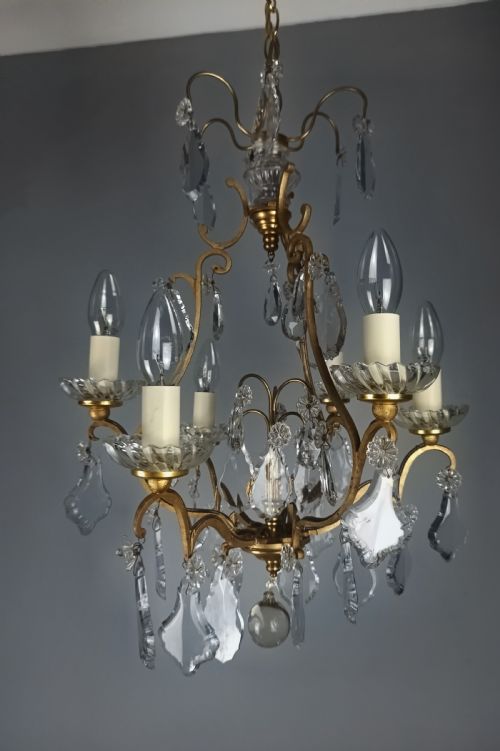
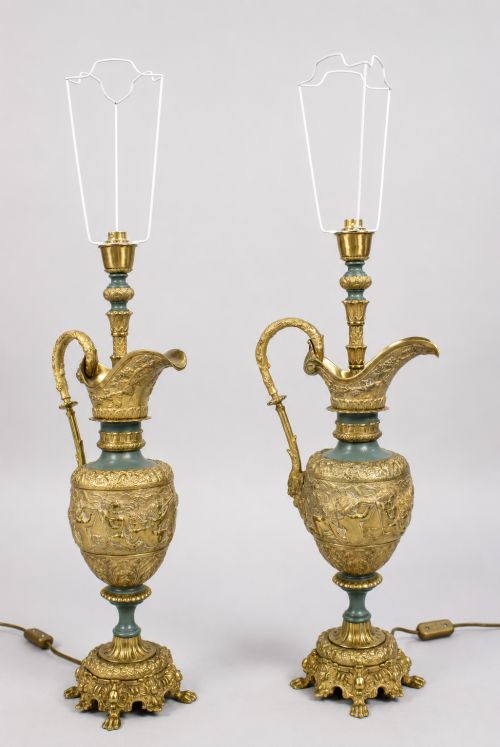
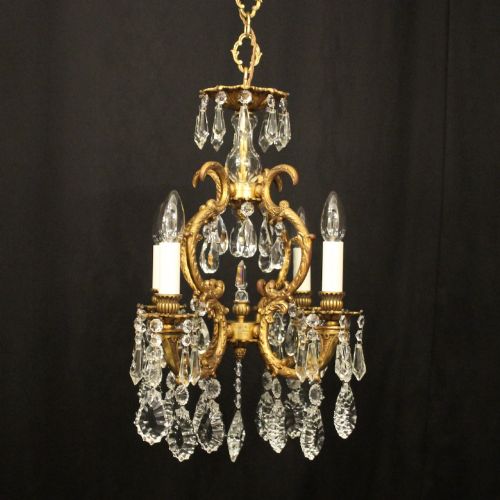
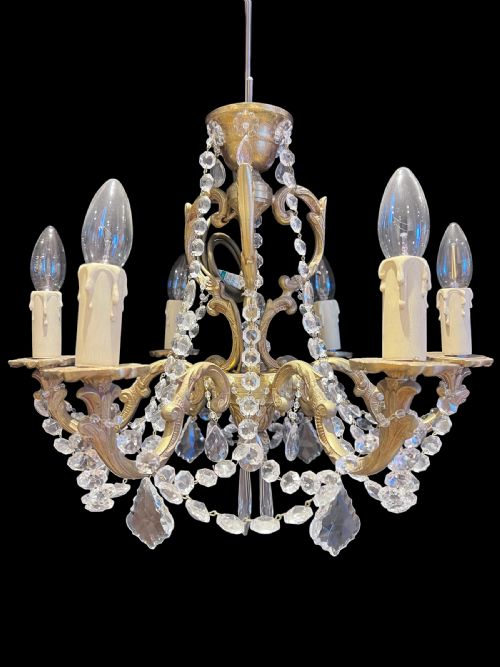
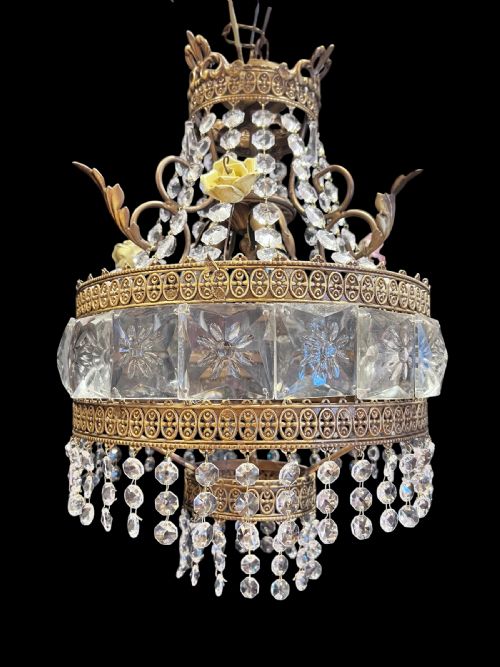
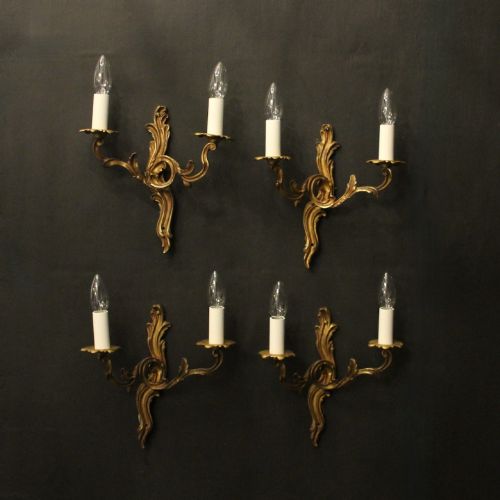
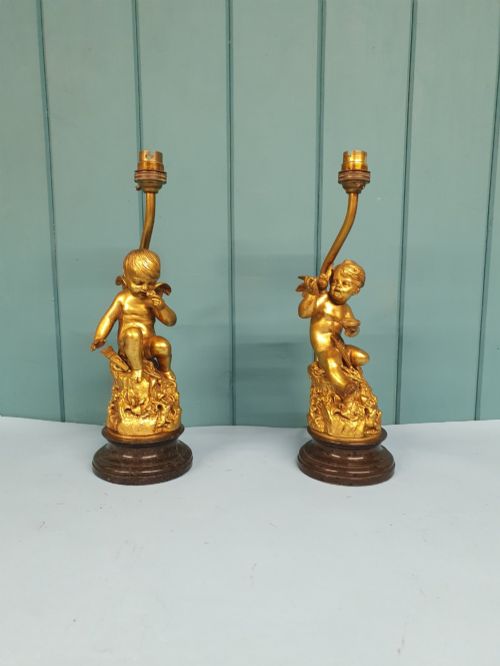
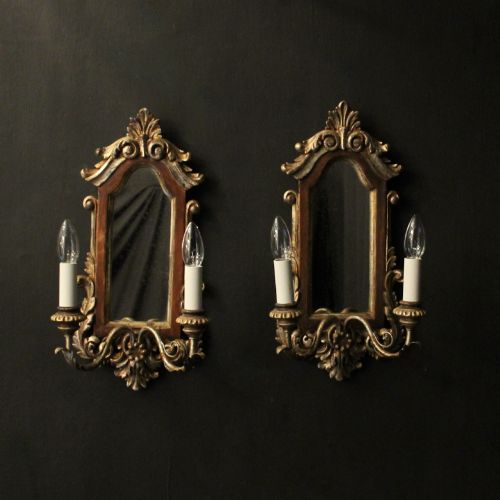
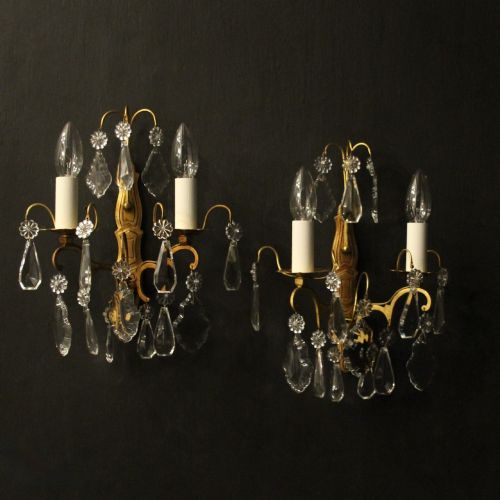
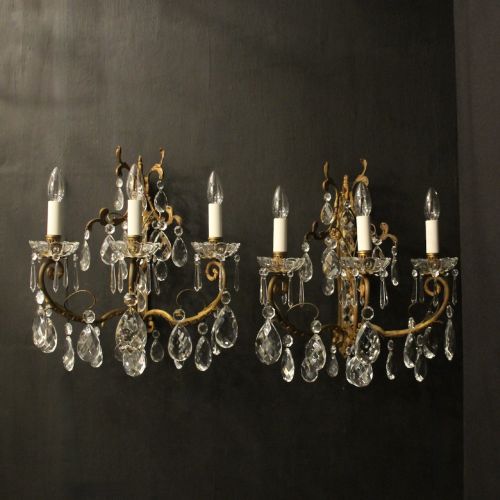
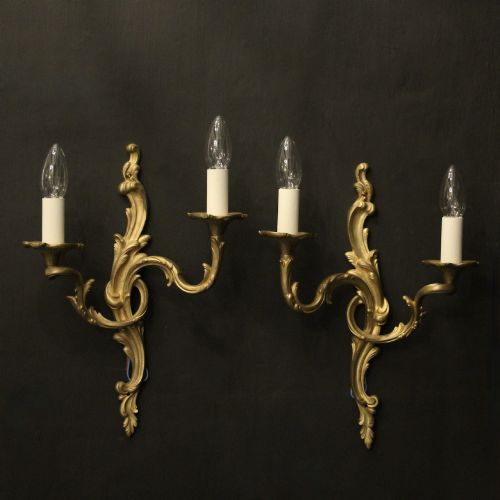
When you search for rococo gilt lighting, you encounter an array of ornate fixtures designed to illuminate interiors with dramatic golden surfaces and flowing organic lines. The selection encompasses elaborate multi-arm chandeliers, pairs of twin-arm wall lights, girandoles, and decorative table lamps.
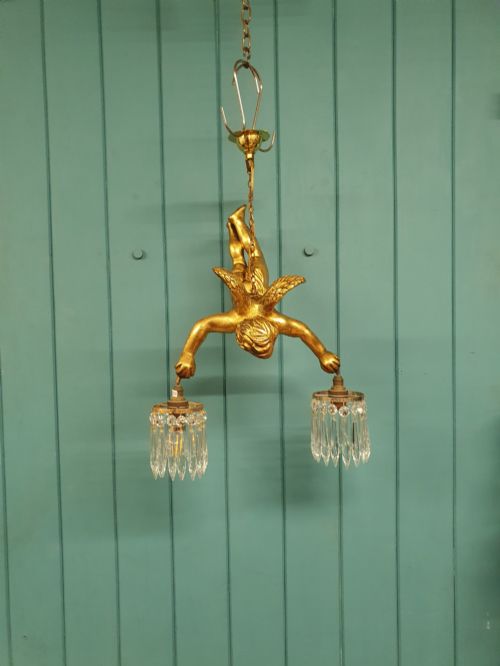
The objects originate predominantly from French and Italian workshops across the eighteenth, nineteenth, and early twentieth centuries. French rococo revival and Louis XV style pieces dominate the selection, often taking the form of gilded bronze, brass, or ormolu wall sconces adorned with cherubs and crystal drops.
Materials and Construction
These lighting fixtures rely on metal casting, hand-carving, and applied gilding techniques. Metalwork in brass, bronze, ormolu, and spelter forms the structural armatures and decorative mounts of the chandeliers and wall lights.
Giltwood elements appear in carved Italian girandoles, while cut glass crystals, porcelain flowers, and Murano glass components are integrated to catch and refract the light from multiple candle or lamp arms.
Several pieces feature winged cherubs perched above fragile crystal spikes, ready to illuminate the room.
Craftsmanship and Detail
The distinction between tiers of quality rests in the crispness of the chased detail on the bronze and ormolu mounts, as well as the depth and warmth of the original gilding. Finer pieces display deeply undercut botanical motifs and meticulously articulated figures.
Structural integrity also separates examples, seen in the solidity of the cast arms, the clarity of the cut glass crystal drops, and the precision of the hand-carved gesso on wooden girandoles.
The Rococo Gilt Lighting Glossary
- Ormolu
- A technique of applying finely ground high-carat gold to a bronze object, creating a rich golden surface that resists tarnish. This finish defines the finest French nineteenth-century decorative metalwork.
- Girandole
- An ornamental branched wall light or candelabrum, frequently incorporating a mirror to reflect the candlelight into the room. Giltwood examples from Italy are particularly characteristic.
- Spelter
- A zinc alloy used as a cost-effective alternative to bronze for casting decorative figures and bases. It is typically painted or electroplated to resemble bronze or gold.
- Applique
- A French term for a wall-mounted light fitting, often used interchangeably with wall sconce. These fixtures secure directly to wood panelling or plastered walls.
- Candelabra
- A branched candlestick holder designed to hold multiple tapers simultaneously. Antique examples often feature elaborate scrollwork and crystal pendeloques.
Rococo Gilt Lighting: Frequently Asked Questions
How do I wire antique wall lights?
Most antique wall lights and chandeliers were originally designed for candles and require careful rewiring for modern electricity. Professional electricians can thread modern wiring through the existing brass or bronze arms without damaging the historical structure.
It is advisable to consult a specialist who understands fragile components like cut glass crystals and porcelain flowers during the installation process.
How do I clean gilt bronze lighting?
Cleaning requires a gentle touch to preserve the delicate gold leaf or ormolu surface. Dusting with a soft dry brush is generally sufficient for regular maintenance.
Avoid chemical polishes, abrasive cloths, and water, as these can strip away the historical gilding and expose the base metal underneath.
Where should I hang a girandole?
Girandoles and wall sconces perform best when mounted at eye level in hallways, living rooms, or flanking a mantelpiece. The reflective surfaces and candles or bulbs amplify natural and artificial light within smaller spaces.
Ensure the wall structure can support the weight of heavier cast bronze or hand-carved giltwood fixtures before installation.
How do I date a gilt chandelier?
Dating relies on examining the casting methods, wiring channels, and stylistic cues of the period. Eighteenth-century pieces display hand-finished chasing, whereas twentieth-century revivals often utilise twentieth-century electrical fittings and standardised screw threads.
Comparing the specific floral motifs and symmetry against documented French and Italian design books helps narrow down the decade of production.