






Decorative Ceramic Pot Pourri
These decorative ceramic pot pourri pieces bring fine porcelain and classic pierced covers together to scent and style a room.

Decorative Ceramic Pot Pourri
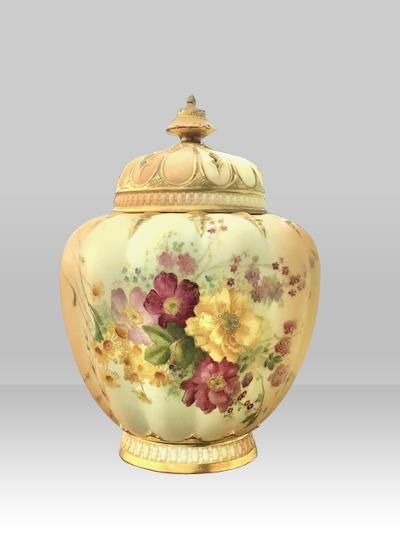
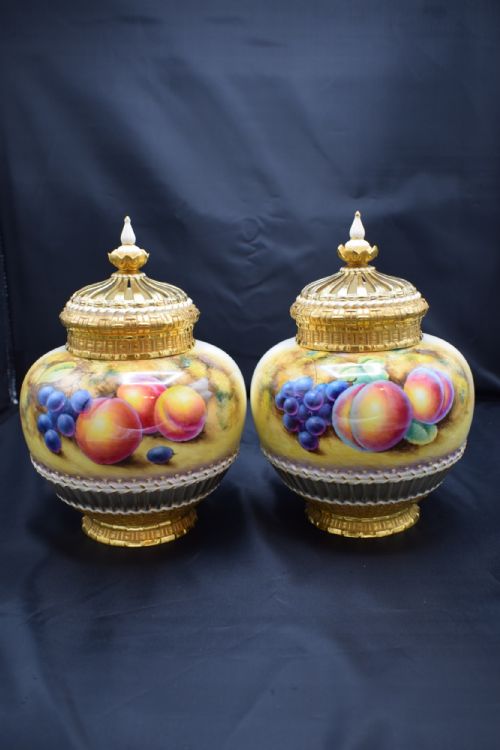
Most items you encounter here come from the twentieth century, particularly the nineteen-fifties and nineteen-sixties, alongside notable nineteenth-century examples. Forms range from compact blush ivory jars to large painted fruit vases and grand pairs with crown tops. Makers represented span traditional English potteries and French porcelain workshops.
What varies in quality
The standard of painting on the ceramic surface distinguishes simpler production wares from masterworks. Pieces featuring detailed, hand-painted fruit or delicate botanical scenes by known artists demonstrate a higher level of artistic execution than standard transfer-printed decoration.
The complexity of the ceramic form and the quality of the associated metalwork also define the grade of the piece. Fine pierced covers, crisp gilding, and substantial gilt bronze mounts indicate superior craftsmanship compared to plain or heavily worn examples.
Decorative Ceramic Pot Pourri Retail Price Guide 2026
Typical asking prices for decorative ceramic pot pourri among the pieces listed under this phrase on Sellingantiques today, from the lower quarter to the upper quarter. They describe what is for sale here now, not the wider market.
Materials recorded across these decorative ceramic vessels include porcelain, ironstone, gilt bronze, ormolu, enamel, and gold leaf.
Royal Worcester·Samuel Alcock·Masons Ironstone
The Decorative Ceramic Pot Pourri Glossary
- Pot pourri vase
- A ceramic vessel featuring a pierced lid or cover designed to hold and release the scent of dried aromatic plant materials. These objects combine functional ventilation with ornamental display.
- Blush ivory
- A soft, creamy-pink ceramic ground colour popular in late Victorian and Edwardian English porcelain production. This finish often serves as a subtle backdrop for hand-painted florals.
- Ormolu
- Cast brass or bronze that has been gilded with a finely ground gold mercury amalgam, producing a bright golden finish. It frequently appears as mounts on nineteenth-century porcelain vessels.
- Ironstone
- A heavy, durable type of earthenware patented in the nineteenth century to imitate Chinese porcelain. It provides a robust body for decorative jars and urns.
- Gilding
- The application of gold leaf or gold paint to ceramic surfaces, handles, or metal mounts. It accentuates architectural details and adds warmth to the design.
Decorative Ceramic Pot Pourri: Frequently Asked Questions
How do I use a pot pourri vase?
Place dried aromatic plant matter, such as petals and spices, directly inside the ceramic body and secure the pierced cover. The holes in the lid allow the natural fragrance to diffuse quietly into the room.
Keep the vessel away from direct sunlight and damp conditions to preserve both the dried contents and the painted ceramic surface over time.
How do I date an antique pot pourri vase?
Examine the factory marks on the underside of the ceramic base, which often change by decade or period. Style indicators, such as Victorian rococo revival curves or Edwardian blush ivory finishes, also help narrow down the production era.
Material choices like heavy gilt bronze mounts or specific ironstone bodies provide further clues to whether a piece originates from the nineteenth or twentieth century.
Where should I display decorative ceramic urns?
Position these vessels on stable surfaces such as mantelpieces, sideboards, or occasional tables where their painted details can be closely observed. Pairing matching urns symmetrically creates a formal arrangement on larger pieces of furniture.
Ensure they sit safely out of high-traffic pathways to protect delicate pierced covers and protruding handles from accidental knocks.
What is the difference between an urn and a jar?
Urns typically feature a raised body supported on a distinct pedestal or foot, often accompanied by decorative handles and a formal profile. Jars generally present a more rounded, ovoid body resting directly on a flat base.
Both forms utilise pierced covers, but urns lean toward classical architectural display while jars offer a softer, domestic presence.