



Decorative Ceramic Jar
A decorative ceramic jar brings centuries of kilncraft and global trade into a room, offering both sculptural presence and functional storage.
Decorative Ceramic Jar
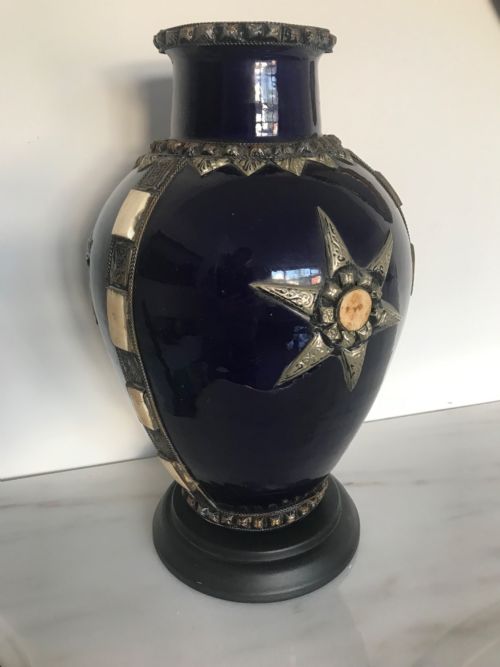
A decorative ceramic jar encompasses vessels formed from clay, porcelain, earthenware, and terracotta, often finished with lids, covers, or mounts. The pieces found on this page span the nineteenth century through the mid-twentieth century, originating from English potteries, European continental factories, and East Asian kilns.
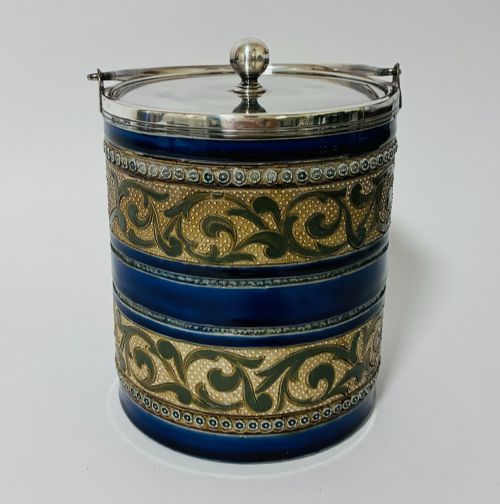
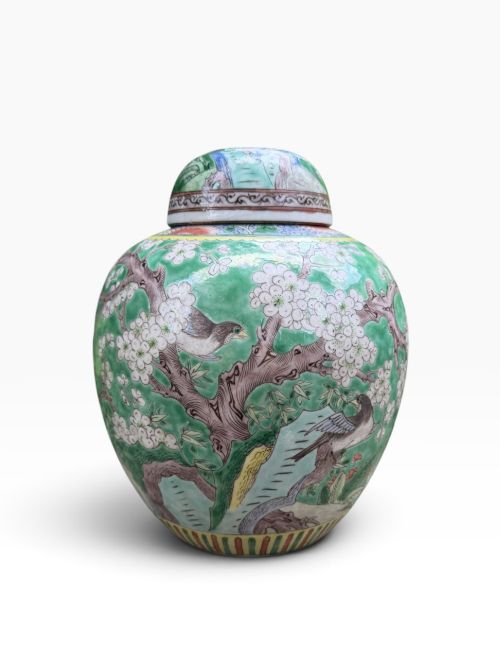
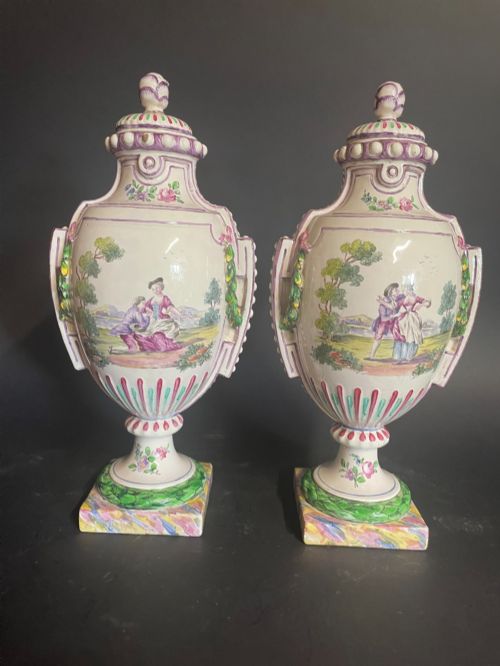
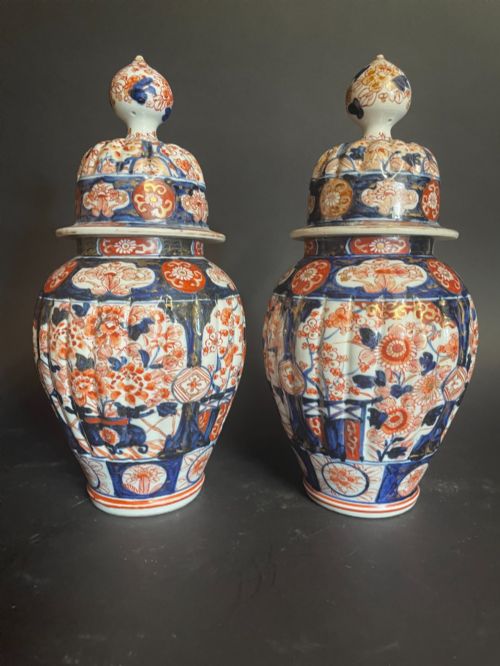
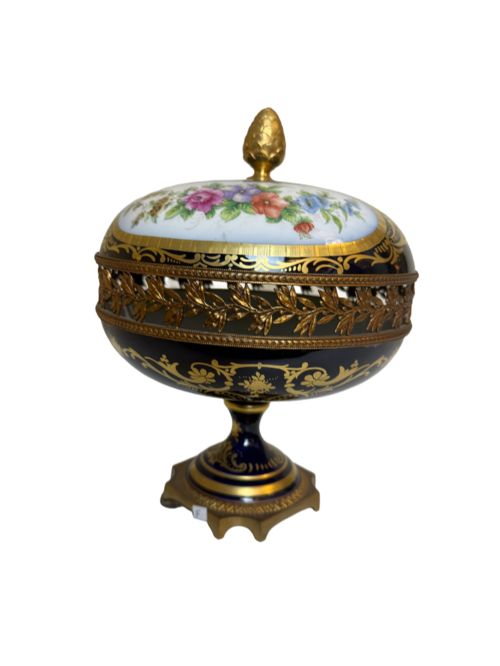
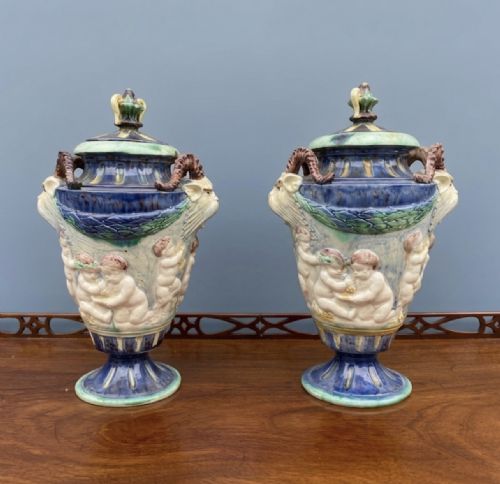
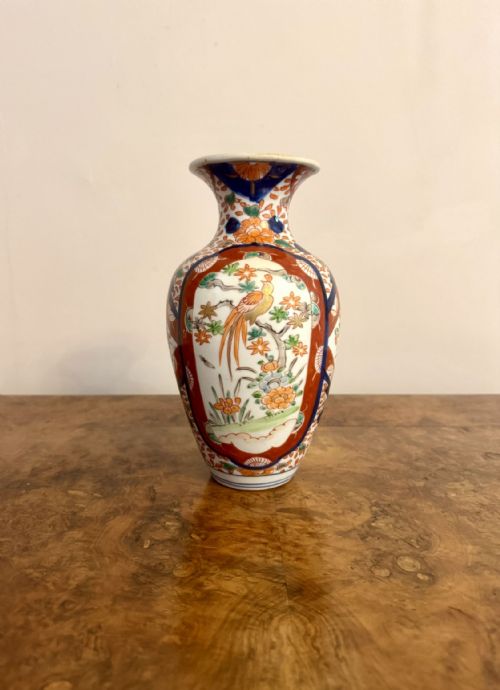
Buyers seeking a decorative ceramic jar most frequently encounter lidded ginger jars, ginger jar and cover sets, biscuit barrels, and potpourri urns. These forms range from utilitarian apothecary jars and kitchen jars to grand Imari palette vases and Chinoiserie mantel pieces.
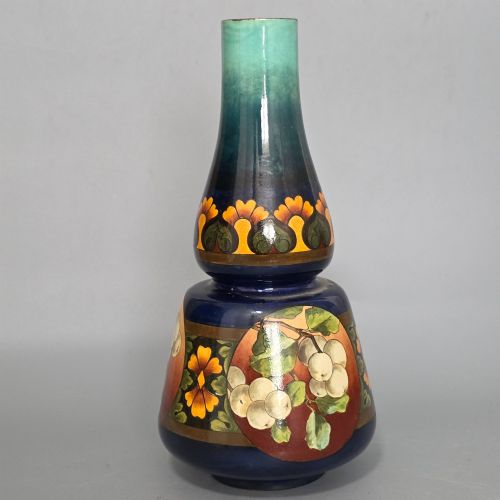
The aesthetic vocabulary bridges Victorian and Edwardian domestic interiors with Japanese Meiji period porcelain and Chinese Qing dynasty forms. Art Nouveau and Art Deco designs also appear, showing hand-painted pottery and glazed earthenware shaped for display.
How they were made
Makers shaped these jars utilising porcelain, earthenware, terracotta, and faience, frequently applying coloured glazes, enamel, and hand-painted motifs. Many examples incorporate metal elements, pairing ceramic bodies with silver plate, silver cabochons mounts, or gilt bronze.
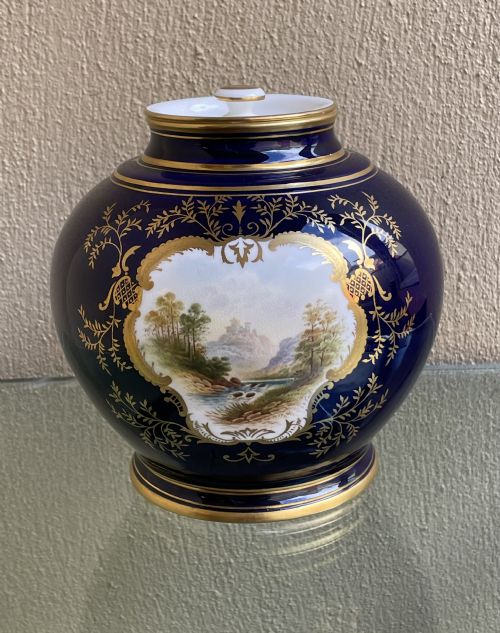
Decoration relied on skilled brushwork, cobalt blue pigments, and gilding with gold leaf, alongside specialised techniques such as Doulton Lambeth Intarsio faience and Japanese Satsuma craquelure. Firing took place in traditional kilns, fixing surface glazes and hand-painted details onto the clay body.
Materials recorded across the inventory include porcelain, earthenware, terracotta, enamel, gold leaf, silver plate, and gilt bronze.
What varies in quality
Quality rests upon the crispness of the ceramic form, the control of the glaze firing, and the precision of hand-painted brushwork. Superior pieces display finely detailed figures, vibrant cobalt or polychrome palettes, and intact gilding without blurring or surface clouding.
The integration of metal mounts, such as silver-plated hardware or cast bronze stands, distinguishes finer vessels from standard production. Signed works by documented artists or established potteries add distinction to the craftsmanship.
Doulton Lambeth·Royal Worcester·Coalport·Samuel Alcock and Co·Kinkozan
The Decorative Ceramic Jar Glossary
- Ginger jar
- A ceramic vessel originally made for storing spices in China, characterised by a broad shoulders and a domed lid. These containers later became staples of Western decorative display.
- Biscuit barrel
- A lidded container used in Victorian and Edwardian households to store dry biscuits or crackers, frequently fitted with a silver-plated rim, handle, and cover.
- Imari
- A style of Japanese porcelain featuring a distinct palette of underglaze cobalt blue, iron red, and gilt highlights. European factories frequently copied these patterns.
- Potpourri
- A vase or jar with a pierced or perforated cover designed to hold dried scented plant materials and release fragrance into a room.
- Faience
- A term for tin-glazed earthenware produced across Europe, known for its opaque white background and painted surface decoration.
Decorative Ceramic Jar: Frequently Asked Questions
What is a decorative ceramic jar?
A decorative ceramic jar is a covered or lidded vessel shaped from clay, porcelain, or earthenware for ornamental display and storage.
These pieces include ginger jars, biscuit barrels, and potpourri urns produced across European and Asian traditions.
How were these jars used historically?
Historically, these vessels served practical storage roles for dry goods, spices, or potpourri before evolving into purely decorative objects.
Many sat on sideboards, mantels, and plant stands within Victorian, Edwardian, and continental domestic interiors.
How do I identify a Japanese Imari jar?
Japanese Imari jars are recognised by their distinctive palette combining cobalt blue underglaze with iron red and gold leaf overglaze.
They frequently feature panel designs showing floral motifs or landscapes produced during the nineteenth century and the Meiji period.
How do I clean and live with antique ceramic jars?
Living with these jars involves placing them away from direct sunlight and accidental knocks to protect delicate hand-painted surfaces and gilt highlights.
Cleaning requires only a dry or barely damp soft cloth, avoiding harsh chemical cleaners that might damage the antique glaze or metal mounts.