

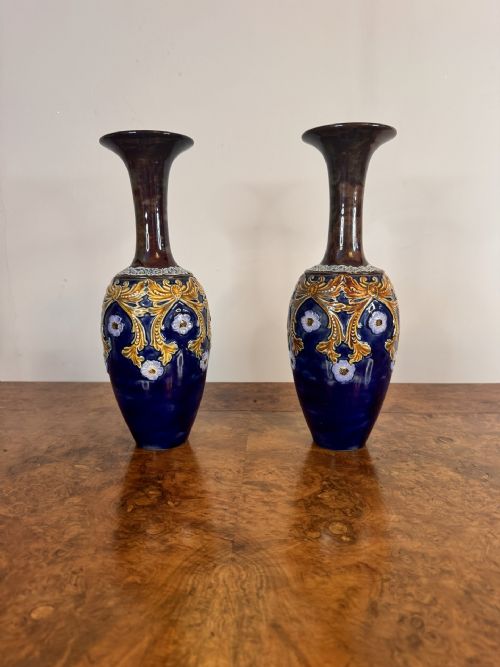
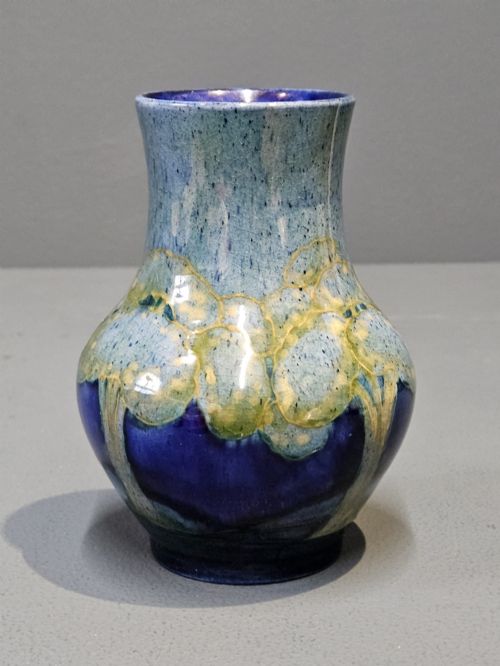

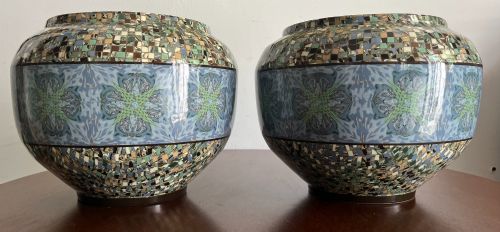
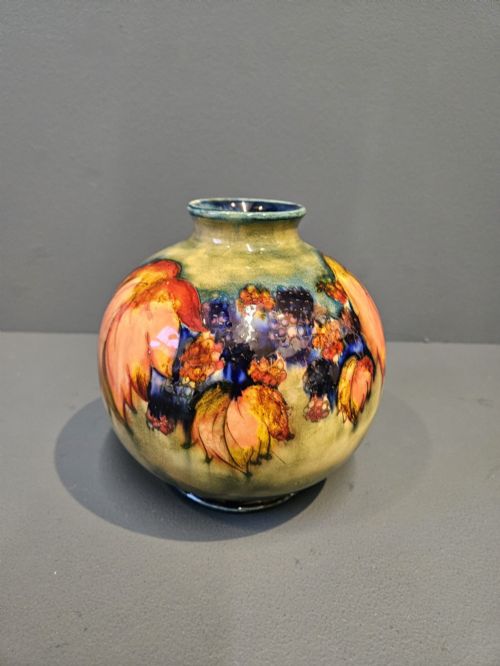
Decorative Ceramic Art
These pieces of decorative ceramic art bring colour and form from the nineteenth and twentieth centuries into rooms today.
Decorative Ceramic Art
Decorative ceramic art covers a varied range of functional and ornamental objects produced across the nineteenth and twentieth centuries, encompassing diverse stylistic movements. Pieces span from late Victorian and Edwardian items to pieces created during the Art Nouveau and Art Deco periods, drawing on British, European and Asian traditions.
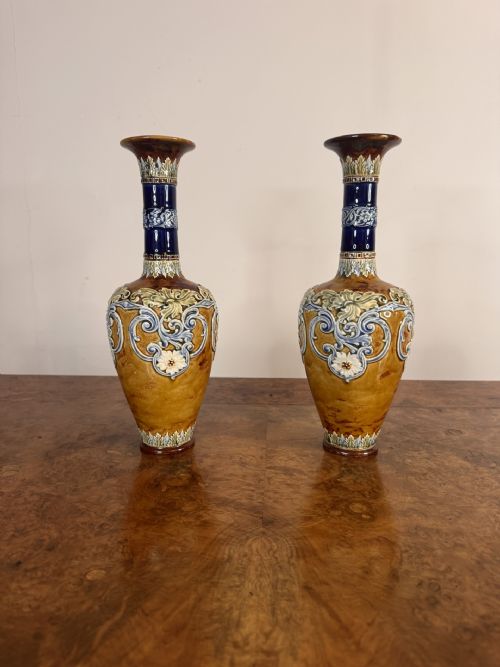
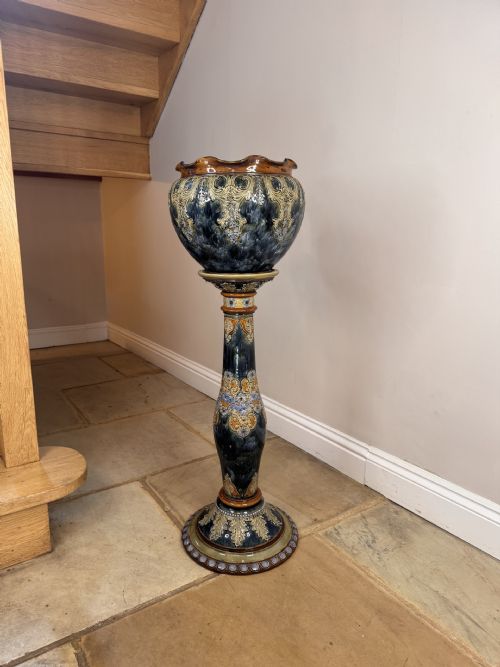
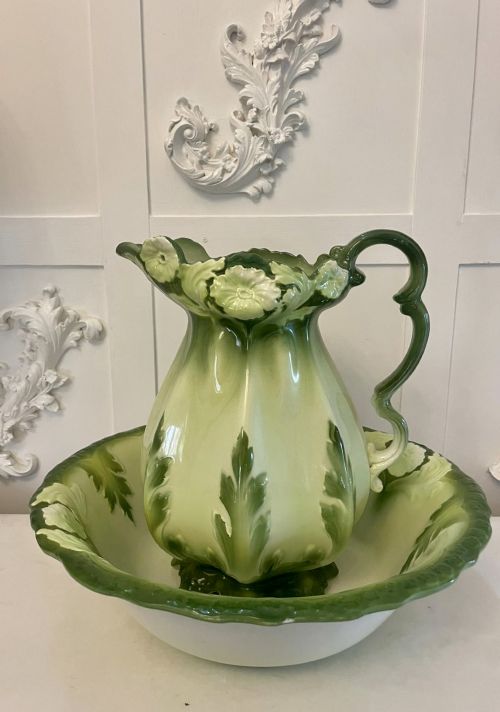
Vases, jardinieres, bowls, plaques and sculptural forms constitute the most frequent finds in this category. Makers ranging from large potteries like Royal Doulton and Wedgwood to specific studios produced these works using earthenware, stoneware, porcelain and terracotta.
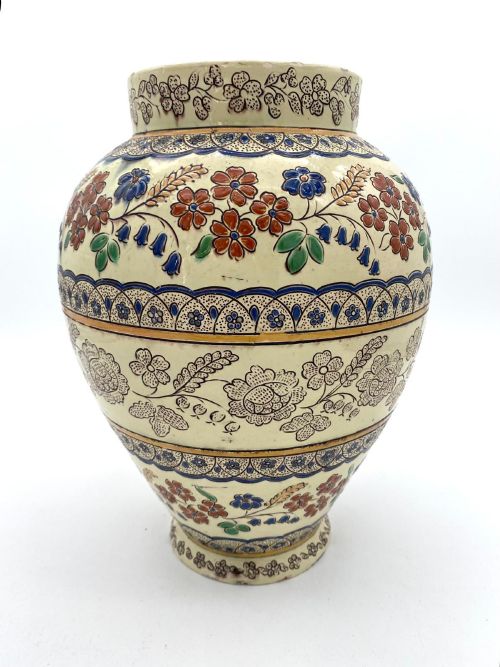
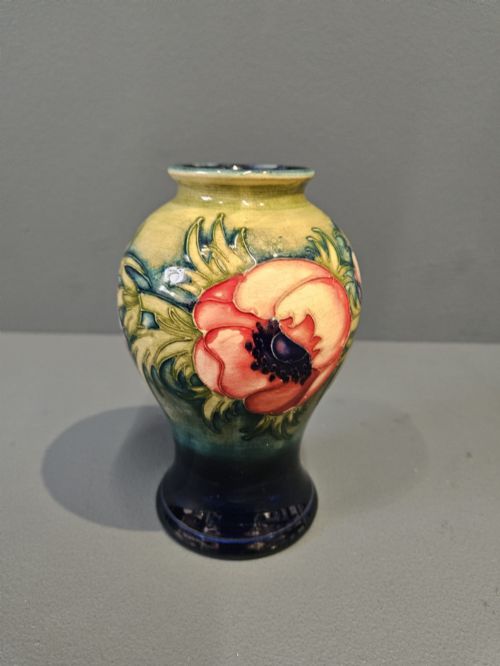
Buyers often encounter regional British art pottery alongside Japanese imari plates and French porcelain chargers. Each piece reflects the aesthetic priorities of its specific decade, from floral motifs to geometric patterns.
Materials and production methods
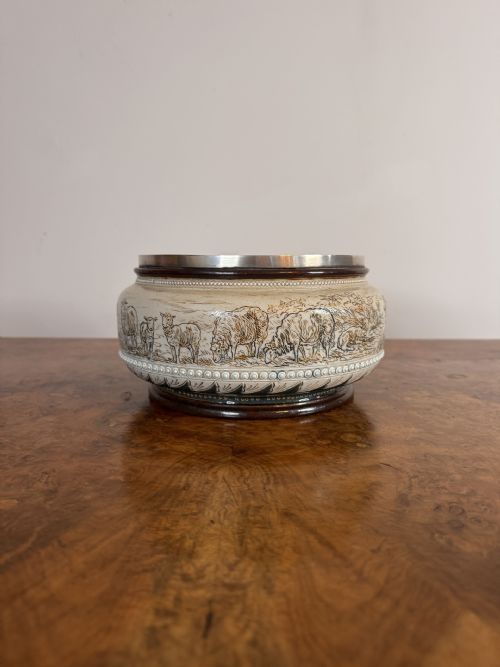
Makers utilised earthenware, stoneware and porcelain bodies, shaping them on the potter's wheel or casting them in moulds. Stoneware pieces often received incised decoration while leather-hard, whereas porcelain and earthenware provided smooth surfaces for painted enamel and glaze effects.
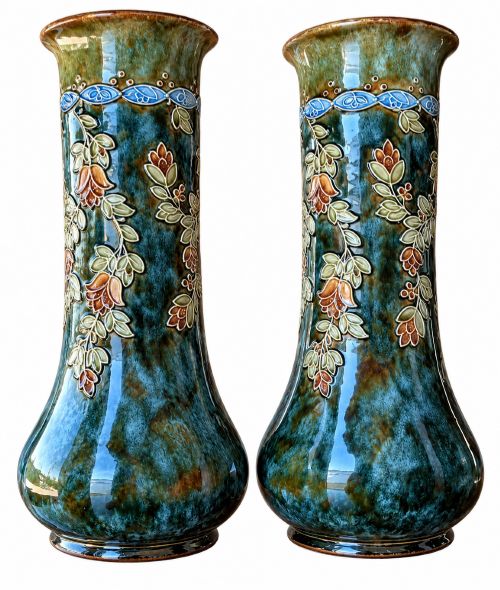
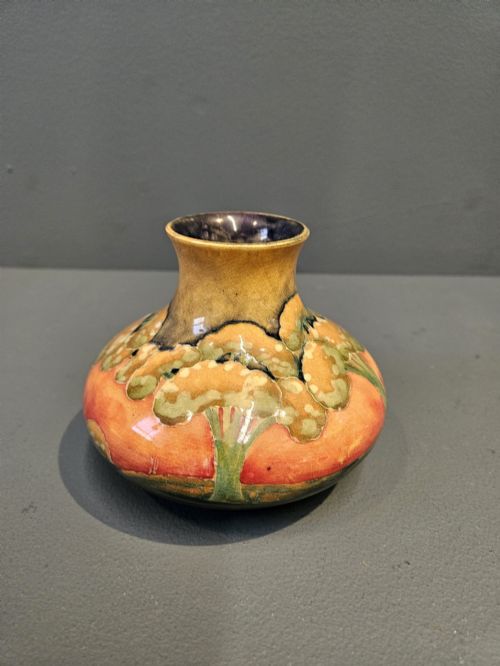
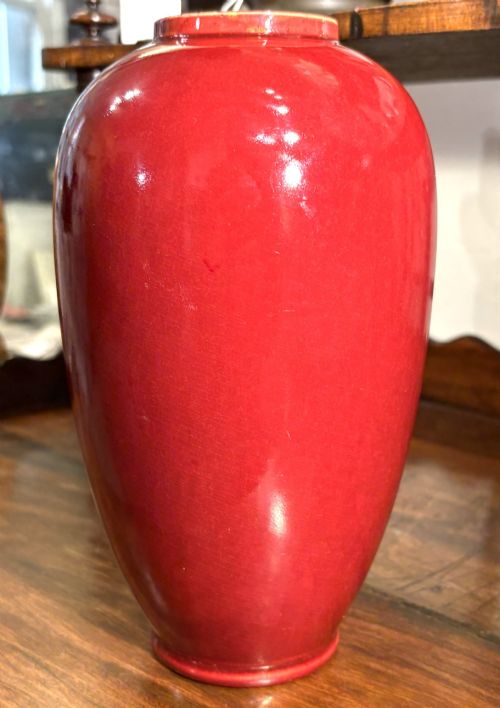
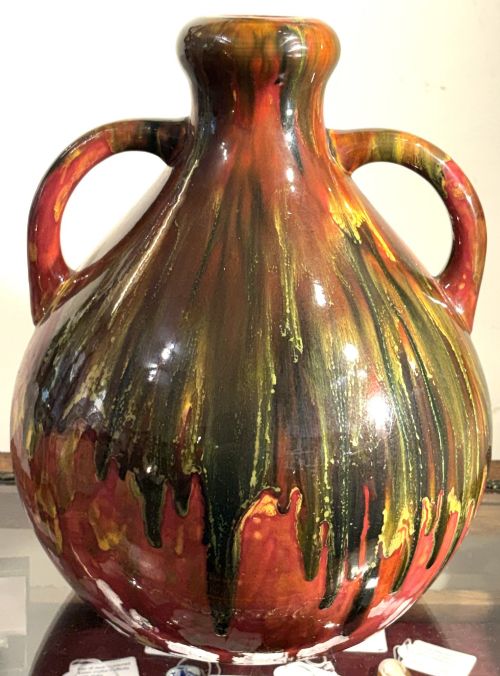
Glazing techniques defined the surface finish, incorporating lustre, gold leaf and hand-painted pigments. Kiln-fired glazes produced depth of colour, with specialist potteries developing signature chemical compositions for specific tones and textures.
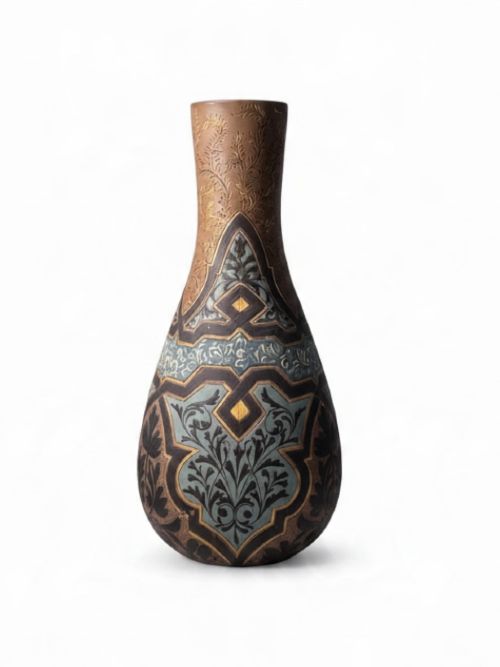
Surface ornamentation involved techniques such as intarsio faience, cloisonne enamel applications, and transfer printing combined with hand-finishing. Artists painted directly onto the ceramic body before a final glaze firing fixed the design.
Decorative Ceramic Art Retail Price Guide 2026
Typical asking prices for decorative ceramic art among the pieces listed under this phrase on Sellingantiques today, from the lower quarter to the upper quarter. They describe what is for sale here now, not the wider market.
Several pieces depict fairies, butterflies, and green dragons, revealing the era's fascination with mythical narratives and whimsical subjects.
Factors of quality and execution
Quality rests upon the crispness of the modelled form and the precision of the hand-painted or incised decoration. Finer examples display deliberate control over glaze reactions and meticulous hand-finishing by named artists or skilled studio hands.
The sophistication of the palette and the complexity of the decorative scheme distinguish superior pieces from standard production wares. Strong composition, balanced proportions, and well-executed surface textures indicate higher atelier standards.
Royal Doulton·Wedgwood·Moorcroft·Burmantofts Pottery·Doulton Lambeth
The Decorative Ceramic Art Glossary
- Earthenware
- Porous pottery fired at lower temperatures, typically covered with an opaque glaze.
- Stoneware
- Dense, impermeable pottery fired at high temperatures until the clay body vitrifies.
- Porcelain
- A hard, fine-grained, translucent ceramic made from kaolin and petuntse.
- Lustre
- A type of ceramic glaze that imparts a metallic sheen through the reduction of metal oxides during firing.
- Jardiniere
- A large ornamental pot or stand designed to hold a live plant or floral arrangement.
Decorative Ceramic Art: Frequently Asked Questions
How do I date these ceramics?
Dating relies on maker marks, impressed stamps, and stylistic indicators typical of periods such as Art Nouveau or Art Deco. Comparing glaze types and registration numbers provides further chronological context.
Specific signatures or painted monograms often point to individual artists working within established potteries during particular decades.
Where were these pieces made?
Production centres spanned British potteries in Staffordshire and London, alongside continental European factories in France and Germany. Asian imports from Japanese and Chinese kilns also contributed significantly to this decorative tradition.
Local clays and regional manufacturing techniques shaped the distinct characteristics of wares from each geographic origin.
How should I display them?
Placement depends on the scale and form of the object, with larger chargers and plaques suited to wall mounting or sturdy plate stands. Vases and bowls function effectively on tables, mantelpieces, or dedicated shelving where light highlights the glaze.
Stable surfaces away from high-traffic areas protect these fragile ceramic bodies from accidental impact.
What is art pottery?
Art pottery refers to ceramic pieces designed and produced primarily for aesthetic value rather than utilitarian function. These works emerged strongly in the late nineteenth century through studios focusing on artistic expression.
Makers experimented with novel glazes, hand-modelled details, and unique surface textures distinct from mass-produced commercial wares.