






Decorative Brass Trinket Box
A decorative brass trinket box holds small keepsakes, combining metalwork and storage in pieces spanning the eighteenth to early twentieth centuries.
Decorative Brass Trinket Box
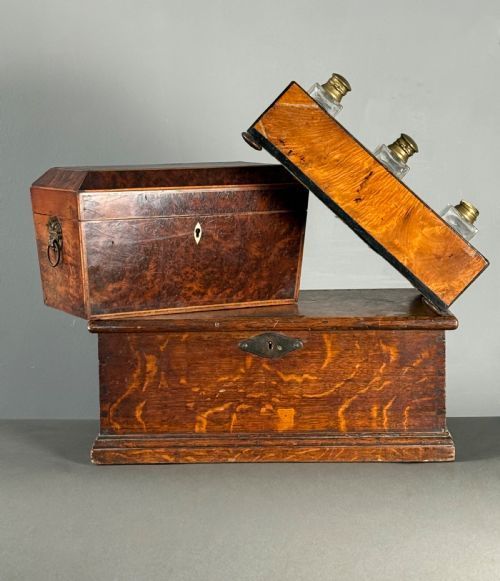
A decorative brass trinket box encompasses various containers designed to hold small personal items, spanning the eighteenth, nineteenth, and early twentieth centuries. These pieces appear in forms such as jewellery boxes, caskets, tea caddies, and snuff boxes.
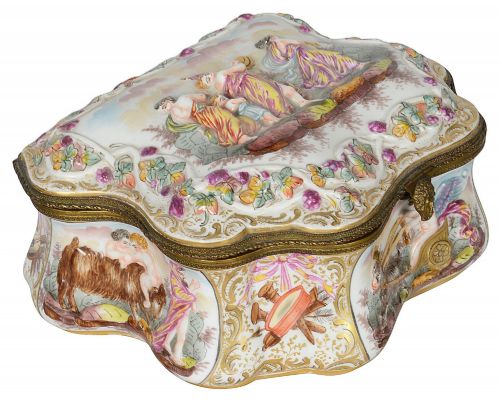
The selections on this page frequently originate from French, English, and Japanese makers, utilising materials like brass, wood, porcelain, and enamel. Styles range from Victorian and Regency to Arts and Crafts and Rococo Revival.
Buyers encounter domestic receptacles intended for dressing tables, desks, and parlours, often incorporating hinged lids, compartments, and decorative mounts. Each example reflects the period taste for ornamental storage.
Materials and construction methods
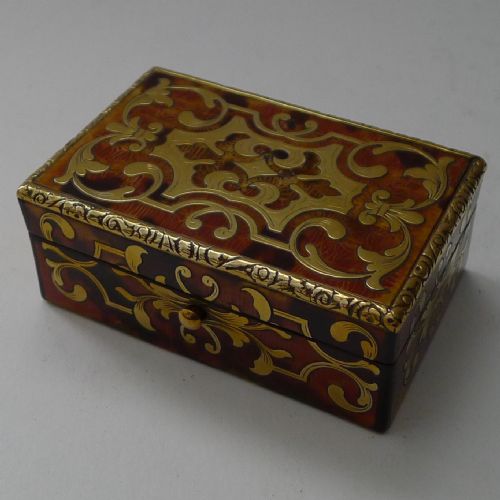
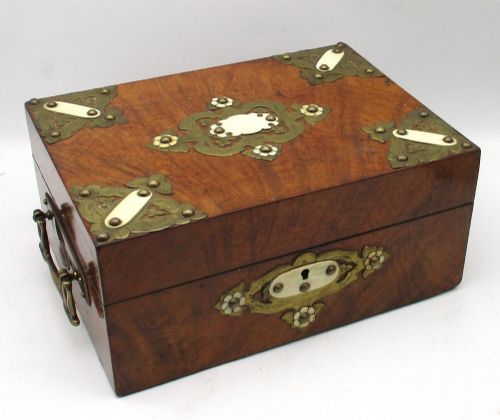
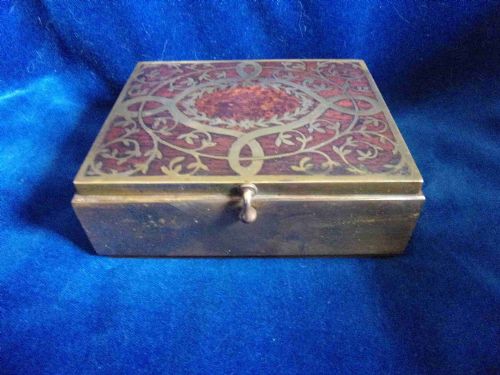
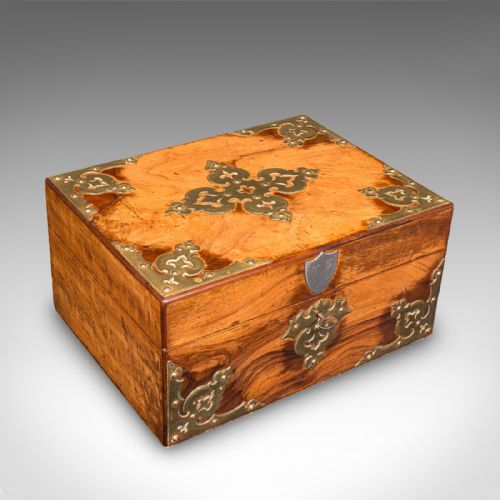
Construction relies heavily on combining robust timber or metal foundations with surface ornamentation, utilising brass for bindings, inlays, hinges, and cast mounts. Artisans applied these metal elements to woods such as walnut, rosewood, amboyna, and mahogany.
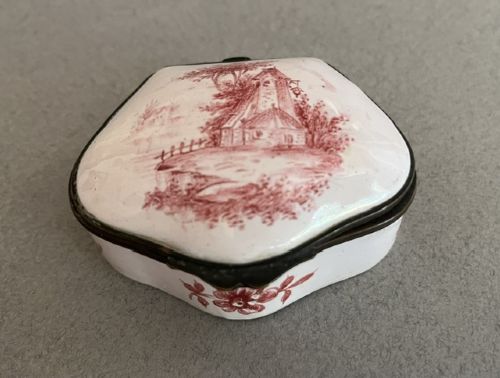
Techniques extend to cloisonné enamel, porcelain plaques, bone veneers, and meticulous hand chiselling or casting of the brass components. Cabinetmakers and metalworkers joined these materials to create durable, highly detailed small containers.
Assessing quality in decorative brass trinket boxes
Quality rests upon the precision of the metalwork, the depth of the chasing, and the integration of brass mounts with the primary material of the box. Superior examples demonstrate crisp casting, secure joints, and harmonious proportion between the metal fittings and the body.
The refinement of secondary materials, such as finely figured burr walnut, hand-painted porcelain panels, or intricate cloisonné enamel, elevates an item. Finer pieces maintain original interior linings, well-fitted hinges, and intact structural integrity.
Erhard and Sohne
The Decorative Brass Trinket Box Glossary
- Cloisonné
- An ancient metalworking technique where enamel is applied within compartments created by soldered flat metal wires. This method produces vibrant decorative patterns on lidded vessels and boxes.
- Tea Caddy
- A small storage container originally built for holding loose tea leaves. Many surviving examples incorporate fine wood veneers and brass mounts.
- Cabochon
- A gemstone or piece of glass shaped and polished brightly rather than faceted. These elements frequently appear mounted onto nineteenth-century desk sets and boxes.
- Marquetry
- The art of applying pieces of veneer to a structure to form decorative patterns. Craftsmen utilised various coloured woods to achieve pictorial designs on the surfaces.
- Boulle
- A style of ornate marquetry utilising brass and tortoiseshell inlay developed in France. This technique adorns luxury French caskets and furniture.
Decorative Brass Trinket Box: Frequently Asked Questions
What were decorative brass trinket boxes used for?
These containers held precious personal items such as rings, pins, coins, and small keepsakes on dressing tables or writing desks.
Wealthier households also utilised specialised versions for storing tea, tobacco, and stamps away from moisture and dust.
How do I identify a Victorian box?
Victorian pieces frequently feature robust timber foundations like burr walnut or rosewood paired with heavy cast brass mounts and vibrant interior linings.
Stylistic cues often point towards Gothic Revival, Arts and Crafts, or Rococo Revival motifs popular during the nineteenth century.
Are these boxes suitable for daily use?
Most antique containers remain fully functional for holding modern jewellery, cufflinks, and small desk accessories.
Careful handling of vintage hinges and delicate enamel or porcelain panels ensures these items survive for everyday enjoyment.
What materials are common in these boxes?
Brass forms the primary metal component, appearing alongside timber bodies constructed from mahogany, walnut, rosewood, and amboyna.
Surfaces occasionally incorporate porcelain plaques, cloisonné enamel, bone veneers, and mother of pearl details.