







Decorative Brass Jar
These decorative brass jar pieces bring distinct texture and weight to a room, offering genuine historical craft for your home.
Decorative Brass Jar
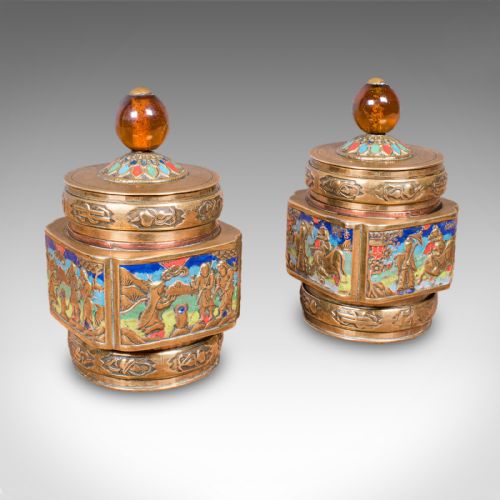
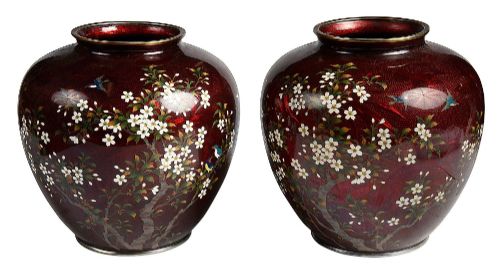
Forms range from lidded ginger jars and tea caddies to ceremonial pots and boxes. Many of these objects integrate Asian antique styles, including Japanese Meiji period cloisonne and Chinoiserie aesthetics.
While the literal search specifies brass, the broader selection includes related metalwork, ceramic vases, glass bell jars, and lacquered wood boxes. Buyers frequently select these items to anchor a mantelpiece or sideboard with period character.
How they were made
The material palette centres heavily on brass, copper, and bronze, often paired with cloisonne enamel work using soldered metal wires to create intricate surface patterns. Other examples employ hand-blown crystal glass, Paris porcelain, and carved red lacquer.
Techniques range from precise chisselling and chiselled metal surface detailing to diamond cutting on crystal lanterns. Artisans also utilised gilt finishes and applied enamel pigments fired within wire compartments to achieve rich colour depth.
Decorative Brass Jar Retail Price Guide 2026
Typical asking prices for decorative brass jar among the pieces listed under this phrase on Sellingantiques today, from the lower quarter to the upper quarter. They describe what is for sale here now, not the wider market.
Listings incorporate 19th-century and Edwardian pieces alongside earlier 18th-century examples, using brass, copper, porcelain, glass, and lacquered wood.
What varies in quality
Quality rests primarily on the crispness of the surface detail and the execution of the decorative technique, whether through finely chisselled metalwork or the exactness of cloisonne wirework. Superior pieces display harmonious proportions and intact enamel fields free from distortion.
The integrity of the materials also dictates the standing of a piece, distinguishing standard utility items from elaborate decorative containers created by skilled workshops.
The Decorative Brass Jar Glossary
- Cloisonne
- A decorative metalwork technique where thin metal strips are soldered to a metal base to form compartments filled with enamel paste and fired.
- Champleve
- An enamelling process where troughs or cells are scooped out of the metal surface and filled with enamel before firing.
- Ginger jar
- A wide-mouthed storage vessel originally designed for spices, typically featuring a rounded body and a matching lid.
- Tea caddy
- A small container built specifically for storing loose tea leaves, often fitted with a secure lid to preserve aroma.
Decorative Brass Jar: Frequently Asked Questions
How were decorative jars used historically?
These vessels primarily served practical storage functions in domestic and mercantile settings, holding dry goods, spices, and tea leaves. Over time, their aesthetic qualities led to prominent display in formal rooms and reception spaces.
Craftsmen designed them not only to protect contents from air and moisture but also to signal the wealth and global reach of the household through exotic materials and ornamentation.
Where should I place a brass jar?
These items suit placement on heavy wooden sideboards, mantelpieces, or dedicated display tables where their metallic sheen catches ambient light. Pairing them with contrasting textures like wood or porcelain enhances their visual presence.
Ensure they sit on stable surfaces away from high-traffic edges, as their weight and metallic construction require secure positioning to prevent accidental tipping.
How do I identify the period of a piece?
Dating relies on observing manufacturing techniques, material composition, and stylistic markers associated with specific eras like the Meiji period or Edwardian decades. Examination of tool marks and wire gauges often reveals the working methods of the era.
Comparing the decorative motifs against documented historical examples helps narrow down the origin and likely production decade of the container.
Are these jars suitable for holding liquids?
Most of these containers were made for dry storage or pure decoration rather than holding water. Using them for fresh flowers or liquids can damage internal seals, linings, or organic elements like lacquer and wood.
If utilised as a vase, inserting a separate glass liner protects the interior historical surfaces from moisture and mineral deposits.