
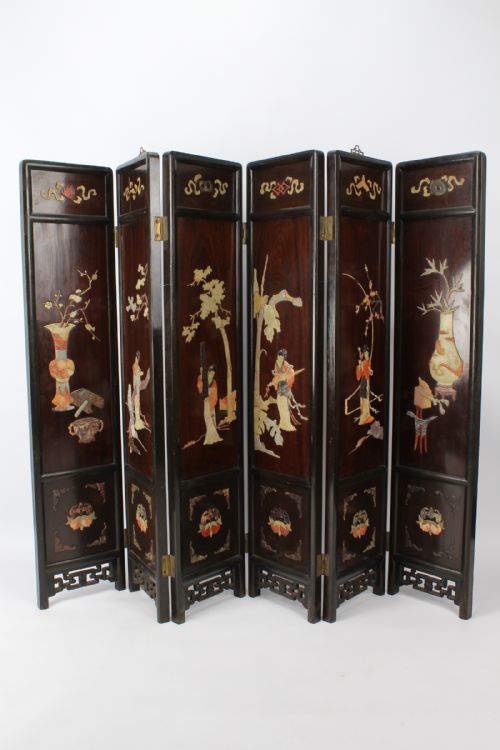


Decorative Asian Screen
A decorative asian screen brings depth and texture to a room, offering striking panels of lacquer, wood, and inlay for domestic spaces.
Decorative Asian Screen
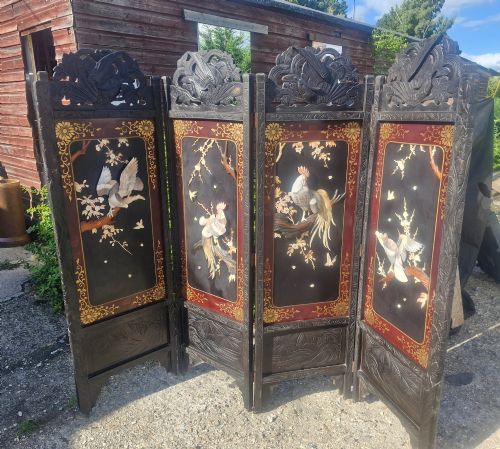
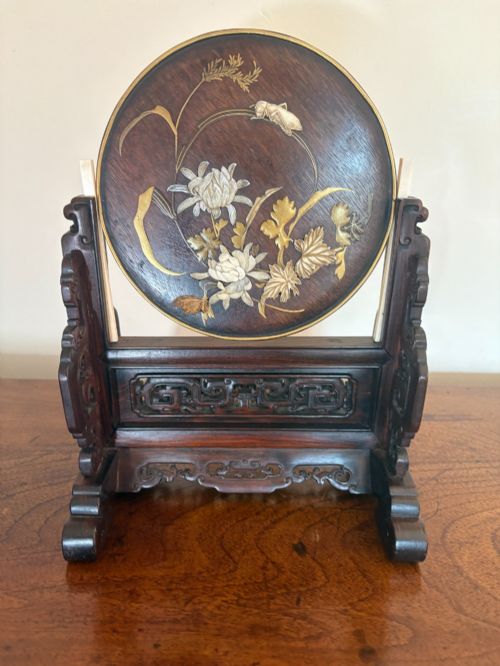
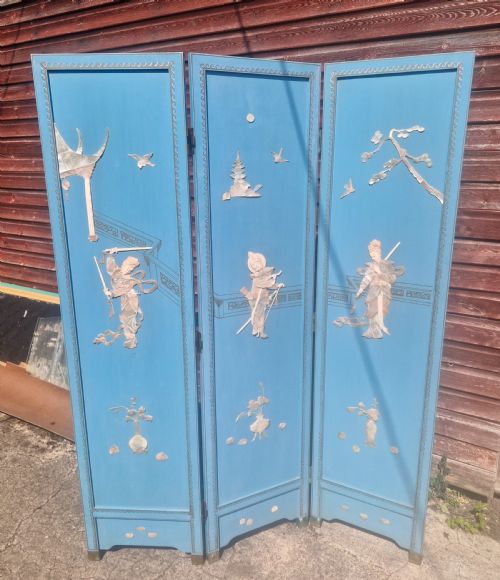
When searching for a decorative asian screen, you encounter a variety of forms ranging from multi-panel folding room dividers to smaller table screens and wall plaques. The evidence shows folding screens dominate the selection, often featuring three or four folds and constructed for interior use.
The pieces span several periods from the Victorian era and the nineteenth century through the early decades of the twentieth century up to mid-century examples. Origin styles include Chinese Qing style and Chinoiserie alongside Japanese Meiji period works and Burmese craftsmanship.
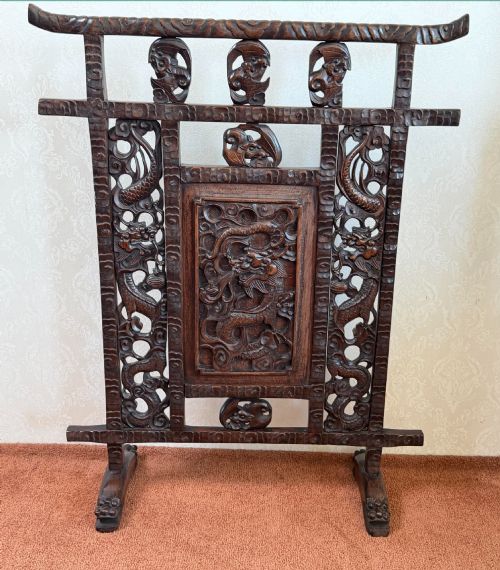
Object types also include fire screens, photographic prop screens, and carved wooden panels, showing how these items served both practical domestic purposes and pure decorative display in past homes.
How they were made
Maker workshops utilised traditional timbers such as hardwood and general wood alongside dark lacquer finishes to form the primary structure of these panels. Surface decoration relied heavily on intricate inlay work using bone, mother-of-pearl, abalone, and hardstone.
Textile elements incorporating silk and cotton appear in textile and photographic prop screens, whilst specific pieces display deep carving in wood and bone alongside foilage details.
Materials recorded across the inventory include lacquer, hardwood, brass, bone, silk, and mother-of-pearl.
What varies in quality
Quality rests in the depth and precision of the carving, the complexity of the inlay materials, and the condition of the lacquer surfaces. Pieces featuring meticulous bone or hardstone application show a higher level of artisan skill than simpler painted variants.
The architectural integrity of the frame and the retention of delicate silk panels or detailed stands separate standard room dividers from finer cabinetmaker pieces.
The Decorative Asian Screen Glossary
- Lacquer
- A durable resin finish applied to wood surfaces in multiple layers to create a smooth, protective, and decorative sheen. It forms the dark background common on many Asian panels.
- Shibayama
- A technique involving the inlay of precious materials such as ivory, bone, and mother-of-pearl into a wood or lacquer base. This method creates slightly raised, highly detailed pictorial scenes.
- Hardstone
- Naturally occurring semi-precious stones cut and polished for use in decorative inlays. They add colourful relief to black lacquer screens.
- Chinoiserie
- European artistic style reflecting Chinese motifs and decorative techniques. It appears frequently in later interpretations of Asian screen designs.
- Meiji Period
- Japanese historical era spanning from 1868 to 1912 noted for exceptional metalwork, lacquer, and ivory carving. Pieces from this time often exhibit intricate natural subjects.
Decorative Asian Screen: Frequently Asked Questions
How are folding screens used today?
Folding screens serve primarily as decorative room dividers or backdrop panels within modern interiors. They break up large floor plans and introduce texture.
Smaller versions like table screens sit on surfaces to add visual interest to a room. Their portability allows you to shift them easily as domestic needs change.
What materials make up these screens?
The primary structure typically consists of hardwood or lacquered wood frames. Surfaces incorporate inlay materials such as bone, mother-of-pearl, abalone, and hardstone.
Some examples also utilise silk and cotton fabrics for softer panel inserts. Brass fixtures often provide the hinges connecting folding panels together.
How do I date an Asian screen?
Dating relies on stylistic markers, construction methods, and materials associated with specific eras like the Meiji period or Qing style. Nineteenth-century examples often feature deep hand-carving and traditional lacquer work.
Mid-century pieces from the 1950s tend to display simpler constructions and different regional finishes. Examining the hardware and timber ageing helps confirm the period.
How do I care for lacquer furniture?
Keep lacquer panels away from direct sunlight to prevent fading and cracking of the delicate surface finish. Dust gently with a soft, dry cloth without applying harsh chemical polishes.
Maintain stable room humidity to protect both the wooden frames and any embedded bone or hardstone inlay work.