


Decorative Art Pair
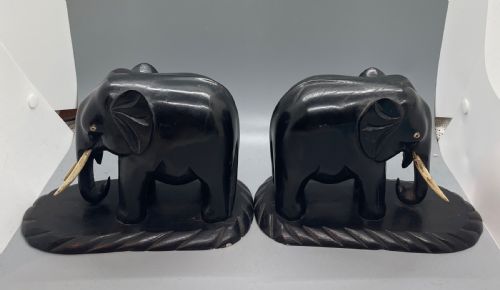
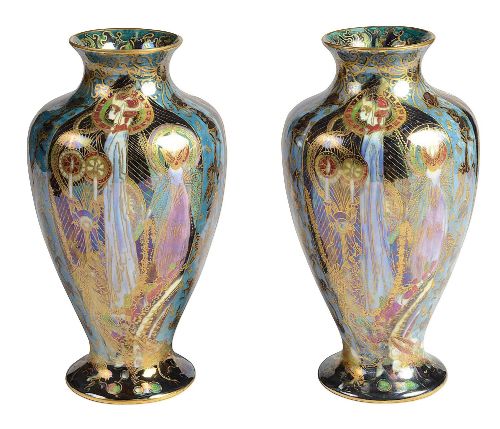
A decorative art pair offers symmetry and balance, bringing matching forms from the nineteenth and twentieth centuries together in brass, ceramic, and carved wood.
Decorative Art Pair
A decorative art pair comprises matched objects designed to be displayed together, bringing visual harmony to a mantelpiece, wall, or tabletop. Collectors seek them for their balanced composition and the unified aesthetic they bring to an interior scheme.
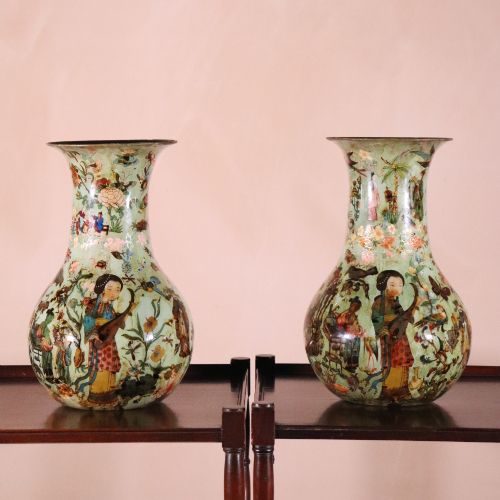
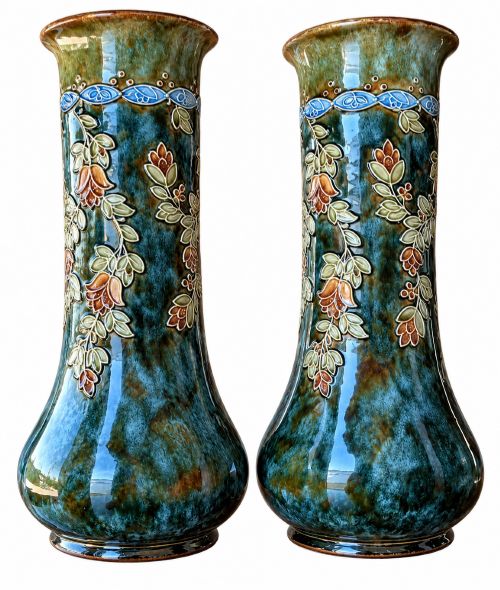
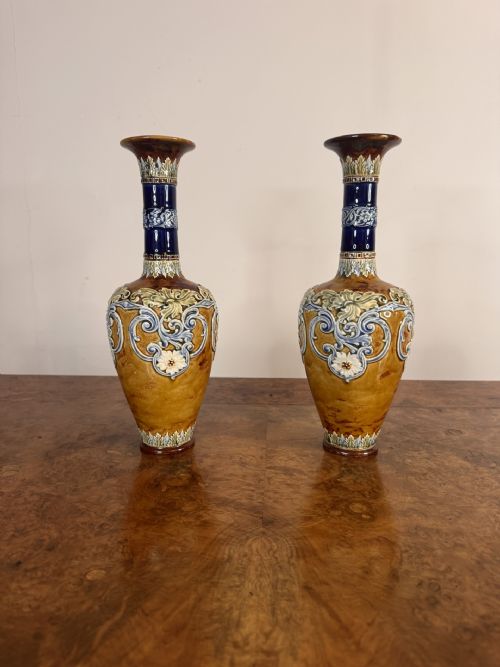
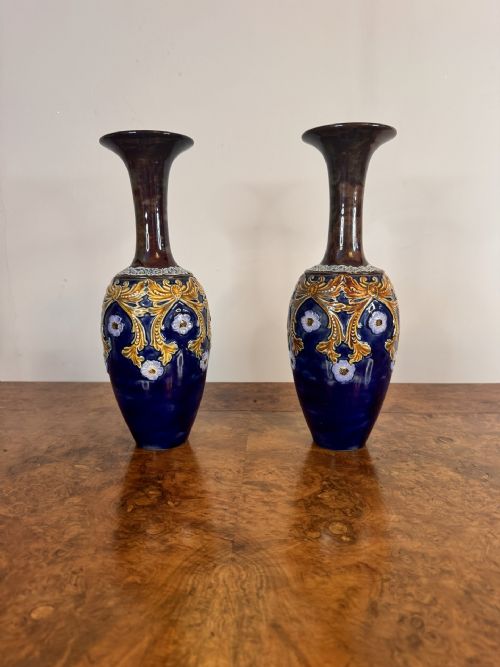
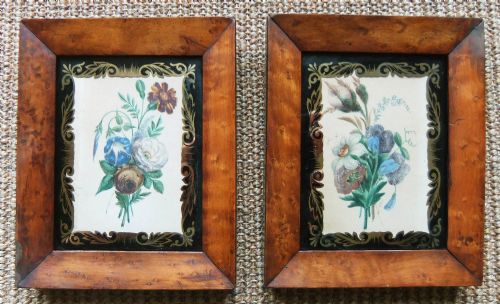
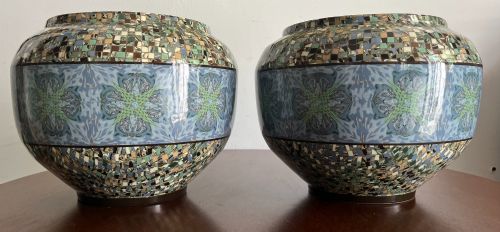
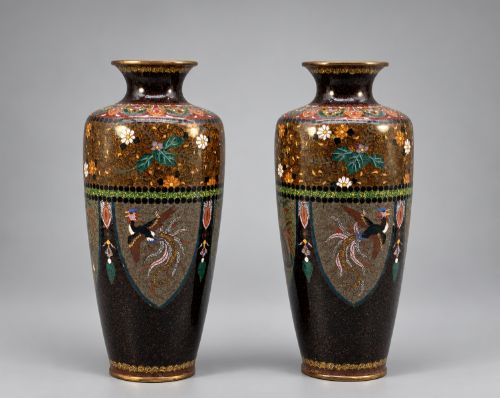
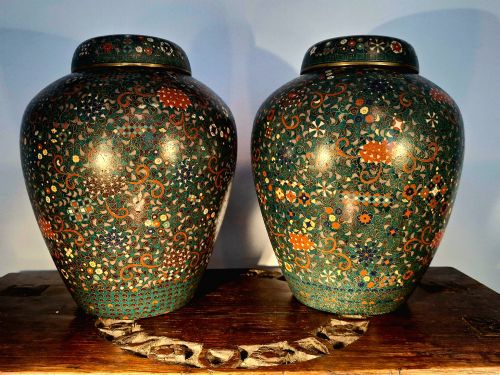
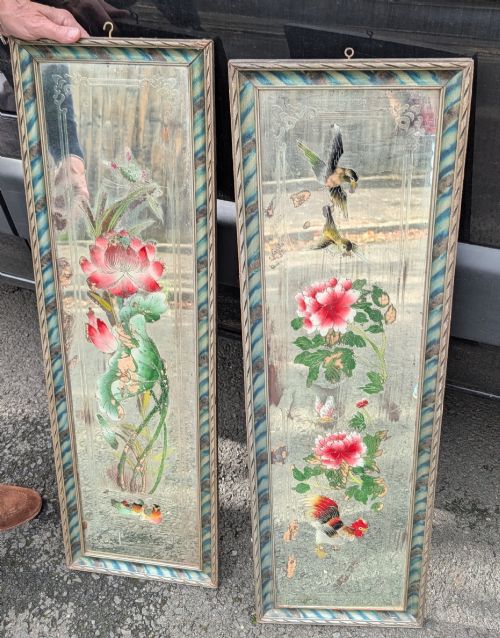
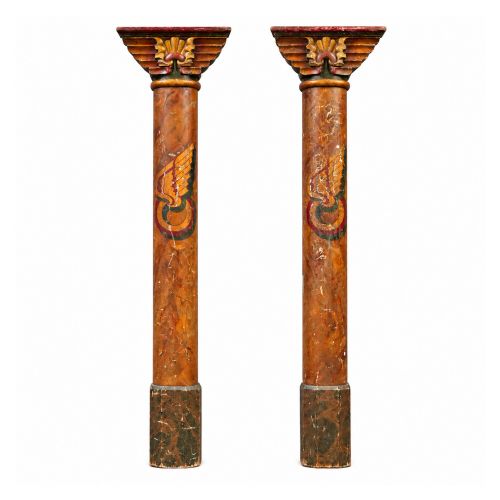
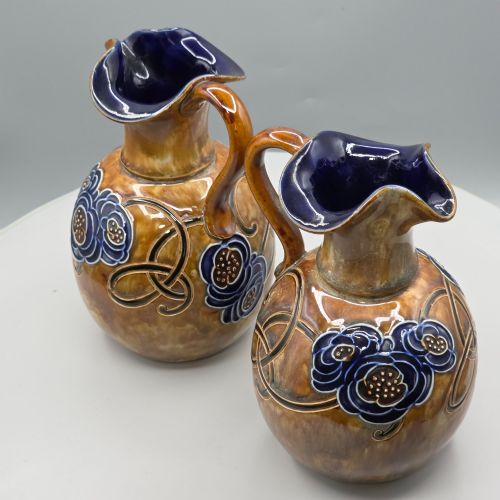
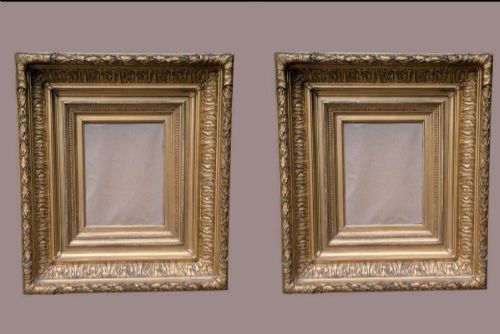
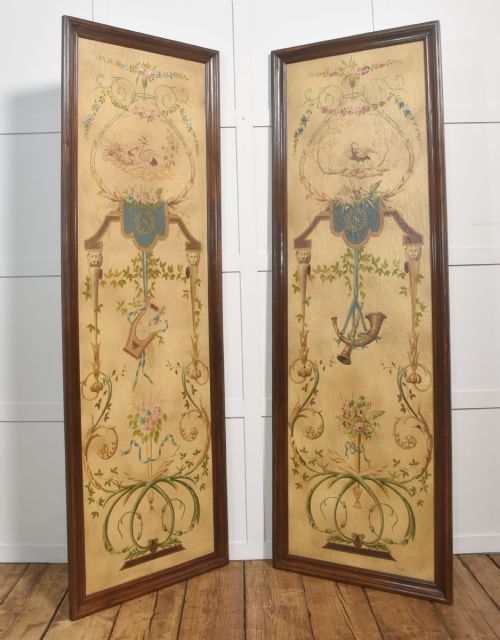
The selection ranges from Victorian gilt frames and carved wooden panels to Art Deco bookends and Japanese cloisonné enamel vases. Ceramic vessels from makers such as Royal Doulton and Mettlach feature alongside European oil paintings and carved marble objects.
Vases and wall plaques dominate the offerings, spanning periods from the late nineteenth century through the Art Nouveau and Art Deco eras. Buyers frequently encounter matched sets originating from English, French, German, and Japanese workshops.
How they were made
Ceramic pieces involve thrown or moulded stoneware and earthenware finished with intricate glazes, lustres, or applied enamel details. Metal items utilise cast brass, bronze, and copper, often enriched with hand-chasing or gilding.
Carved wooden panels and frames rely on traditional hand-woodworking techniques, sometimes incorporating mother-of-pearl or abalone inlay. Cloisonné works feature fine metal wire soldered to a base and filled with coloured enamel before firing and polishing.
Decorative Art Pair Retail Price Guide 2026
Typical asking prices for decorative art pair among the pieces listed under this phrase on Sellingantiques today, from the lower quarter to the upper quarter. They describe what is for sale here now, not the wider market.
Materials span enamel, brass, stoneware, ceramic, glaze, wood, gold leaf, and bronze across multiple eras.
What varies in quality
The refinement of the modelling or carving separates standard production items from superior studio examples. Crisp execution in moulded ceramics, sharp detailing in cast metals, and precise symmetry in cloisonné wirework denote higher workshop standards.
Hand-painting and glaze depth dictate distinction, particularly in ceramic lustre work and oil paintings where brushwork displays individual artistry. The completeness of a matching set and the preservation of original surface finishes significantly influence the standing of each piece.
Royal Doulton·Mettlach·Boch Freres·Fabergé·Wedgwood
The Decorative Art Pair Glossary
- Cloisonné
- Enamelwork created by soldering metal wires to a base to form compartments filled with paste and fired. This technique produces intricate patterns defined by thin metal lines.
- Stoneware
- A robust, vitrified ceramic fired at high temperatures until impervious to liquid. It accepts dense salt or coloured glazes commonly seen in Arts and Crafts pottery.
- Gilt
- A thin layer of gold leaf or gold paint applied to the surface of wood, metal, or gesso. It imparts a reflective metallic sheen to frames and decorative panels.
- Imari
- Japanese porcelain decorated in underglaze blue and overglaze red, gold, and black. These export wares display rich pictorial designs.
- Pietra dura
- An artistic technique using cut and fitted polished coloured stones to create geometric or figural images. It appears on decorative marble objects and table tops.
Decorative Art Pair: Frequently Asked Questions
What defines a decorative art pair?
A decorative art pair consists of two matching or complementary objects created as a set for balanced display. They share materials, stylistic motifs, and dimensions.
Such objects include vases, bookends, wall panels, and candlesticks originating from various European and Asian traditions.
How were ceramic vases decorated?
Ceramic vases received decoration through hand-painted glazes, applied slip patterns, lustres, and incised stoneware designs. Workshops employed specialised artists to paint floral, figurative, or abstract motifs.
Fired finishes range from high-gloss transparent glazes to matte salt-glazed stoneware surfaces.
How do I display matching panels?
Matching panels look best mounted symmetrically on either side of a central architectural feature, fireplace, or large mirror. This arrangement accentuates their balanced proportions and detailed carving or inlay.
Wall placement should ensure both pieces hang at identical eye-level heights for visual symmetry.
How do I date an antique pair?
Dating relies on stylistic markers such as Art Nouveau floral curves, Art Deco geometric lines, or Victorian ornamentation. Maker marks, factory stamps, and base signatures provide specific chronological reference points.
Material composition and construction techniques further help narrow the period of manufacture.