


Decorative Table Box
These decorative antique table box examples combine craftsmanship and storage, offering a sophisticated way to keep small treasures on display.
Decorative Table Box
A decorative antique table box serves as a receptacle for trinkets, letters, or snuff, taking forms that range from small desk cabinets to lidded caskets. These pieces emerge across the Victorian and Regency eras, alongside seventeenth-century iterations and early twentieth-century examples.
The materials span solid silver, lacquered wood, porcelain, and tortoiseshell, reflecting diverse European and Asian origins. Buyers frequently encounter nineteenth-century silver items and wooden keepsakes featuring elaborate hinges and fitted compartments.
Makers utilised various regional styles, incorporating Rococo motifs, Neoclassical symmetry, and Japanese lacquer techniques into everyday desktop accessories.
Materials and Technique
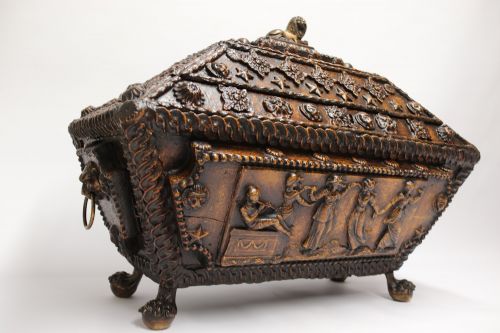
Construction relies heavily on timbers such as walnut, oak, satinwood, and ebony, often enhanced by marquetry, penwork, or japanning. Cabinetmakers joined these woods with precision to house delicate contents securely.
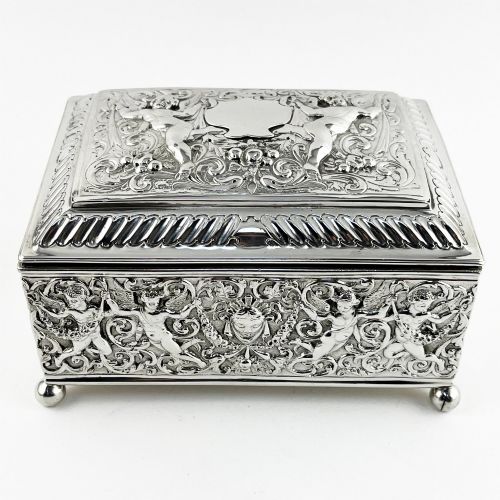
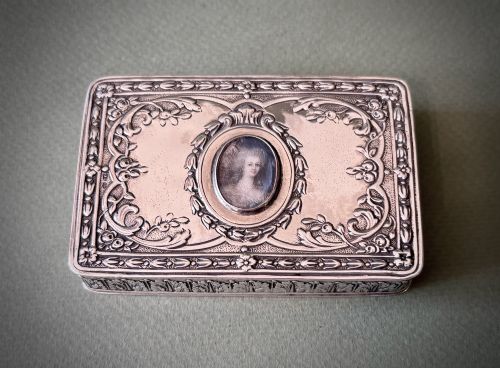
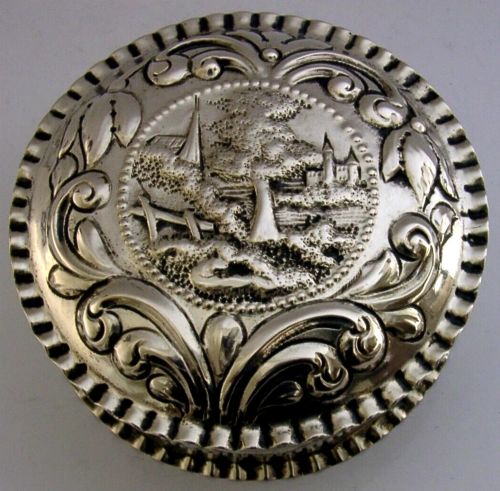
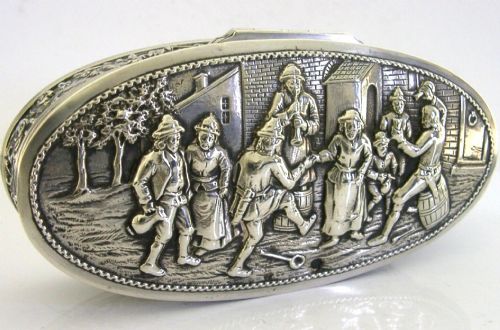
Metal elements involve cast or repoussé silver, bronze, and brass, frequently paired with enamel appliques, cameos, or porcelain panels. Artisans chased and engraved these metallic surfaces to create intricate relief scenes.
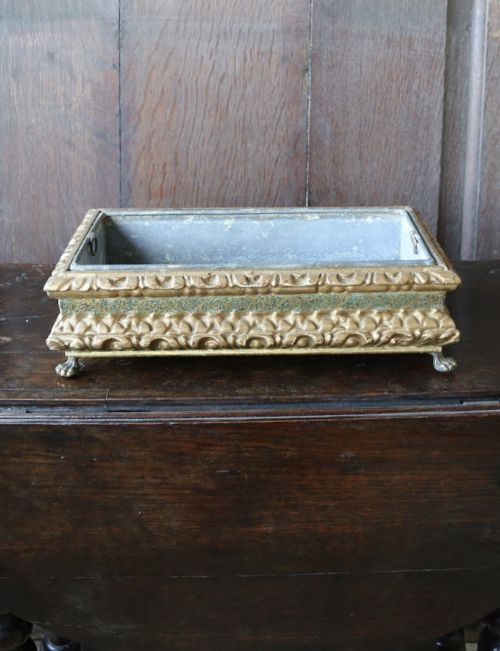
Lacquer work and gesso decoration require successive layers of pigment and varnish, polished by hand to achieve a deep, durable sheen on Asian and European caskets.
Listings feature wood, silver, and porcelain materials across Victorian, Regency, and seventeenth-century periods.
Assessing Quality
Superior examples distinguish themselves through the crispness of hand-carved details and the integration of decorative elements like enamel or inlaid boxwood. Lesser items rely on stamped metal or superficial surface painting.
The integrity of the internal fittings, such as velvet linings and original lock mechanisms, indicates the level of care invested during manufacture. Heavygauge silver and dense hardwoods signify robust construction that outlasts lighter alternatives.
Gill and Reigate·Rene Lalique
The Decorative Table Box Glossary
- Japanning
- A type of European finish that emulates Asian lacquer work by applying resinous layers and baking them. It frequently appears on workboxes and desktop cabinets from the nineteenth century.
- Repoussé
- A metalworking technique where the artisan hammers the metal from the reverse side to form a raised design in relief. This method defines the ornamentation on many antique silver boxes.
- Marquetry
- The art of applying thin slices of wood veneers to a structural carcass to form geometric or pictorial patterns. Master craftsmen used contrasting timbers like boxwood and walnut to achieve striking visual depth.
- Champlevé
- An enamel technique where troughs are hollowed out of a metal surface and filled with vitreous paste before firing. It appears frequently on nineteenth-century bronze and brass table pieces.
- Gesso
- A plaster-like mixture applied to a wooden base to provide a smooth surface for painting or gilding. This preparation underpins ornate seventeenth-century and Regency caskets.
Decorative Table Box: Frequently Asked Questions
How were table boxes used historically?
Historically, owners placed these boxes in parlours and studies to store personal valuables, writing implements, or tobacco.
They served both a functional storage purpose and a decorative role as indicators of refined taste.
How do I care for wooden and silver boxes?
Preserve wooden boxes by keeping them away from direct sunlight and maintaining stable room humidity. Silver components require gentle cleaning with a soft cloth to prevent abrasion to chased details.
Avoid harsh chemical polishes that can strip original gilding or damage delicate enamel inlays.
How can I tell different periods apart?
Stylistic clues such as Rococo scrolls, Neoclassical symmetry, or Japanese lacquer motifs help identify the era of manufacture. Examining construction methods, hinge types, and material composition also points toward specific decades like the Victorian or Regency periods.