





Decorative Keys
These decorative antique keys and associated lock hardware span nineteenth-century brass, steel, and gilt finishes, offering tactile historical character for collectors.
Decorative Keys
When you search for decorative antique keys, you find functional security hardware adapted into ornamental objects or surviving alongside period boxes and caskets. These pieces primarily originate from the nineteenth century, encompassing Victorian and French stylistic influences.
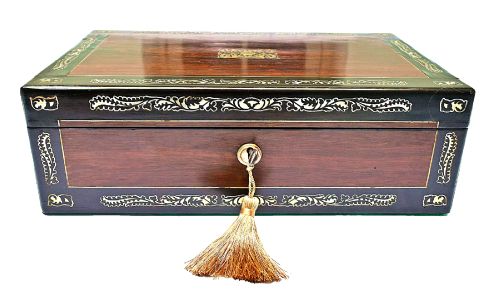
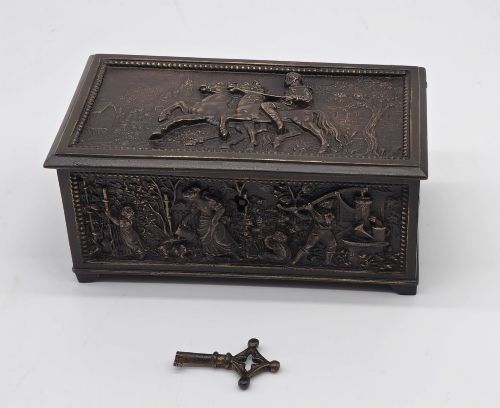
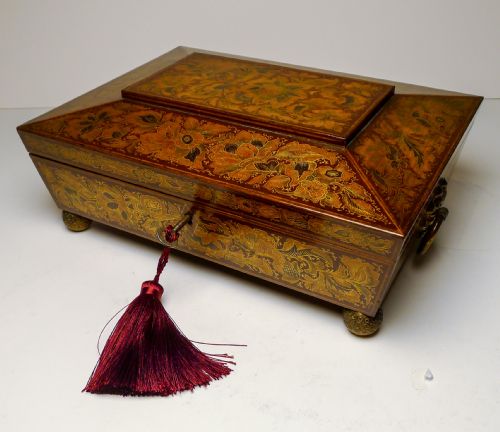
The items on this page most frequently appear as brass and polished steel locks with their original keys, alongside related items such as tea caddies, jewellery caskets, and games boxes that retain their locking mechanisms. They represent an era when everyday hardware received meticulous artisanal attention.
How they were made
Makers utilised durable metals including brass, bronze, and polished steel to cast and forge these functional security pieces. Surface enrichment often involved gilding to enhance the visual appeal of the metalwork.
Associated containment pieces combine robust timbers like walnut with delicate decorative elements such as enamel, porcelain, and tortoiseshell veneer. Construction methods relied on traditional joinery and metalfitting techniques characteristic of nineteenth-century workshops.
Decorative Keys Retail Price Guide 2026
Typical asking prices for decorative keys among the pieces listed under this phrase on Sellingantiques today, from the lower quarter to the upper quarter. They describe what is for sale here now, not the wider market.
Current listings feature materials including brass, bronze, walnut, steel, porcelain, fabric, gilt brass, and enamel.
What varies in quality
The standard of these pieces depends upon the crispness of the cast metalwork and the precision of the fit between key and lock mechanism. Superior examples display clean filing and finishing on the steel and brass components without excessive wear.
In associated boxes and caskets, quality rests on the integrity of the primary materials, whether walnut, tortoiseshell, or gilt bronze, and the retention of complete interior fittings like inner cannisters and functional keys.
The Decorative Keys Glossary
- Gilt Brass
- Brass treated with a thin layer of gold or gold-coloured finish to simulate solid gold metalwork. This technique provided ornamental brilliance to locks and hardware.
- Polished Steel
- Iron alloy treated to achieve a bright, reflective surface finish. It appears frequently on nineteenth-century lock plates and associated mechanisms for striking visual contrast.
- Tea Caddy
- A container designed to store tea securely, often featuring a lock and key. These boxes frequently included internal compartments and mixing dishes.
- Parquetry
- Woodworking technique of fitting small geometric wood veneers together to form decorative patterns. It decorates the exterior surfaces of nineteenth-century keepsake boxes.
Decorative Keys: Frequently Asked Questions
What are decorative antique keys used for today?
These items serve primarily as historical collectables, desk ornaments, or replacement hardware for period furniture and boxes.
Collectors often display them mounted on boards or use them to complete nineteenth-century writing desks, tea caddies, and jewellery caskets.
How do I identify a Victorian lock?
Victorian locks typically utilise brass and polished steel construction, often marked with period specific manufacturing traits from the nineteenth century.
They frequently accompany decorative boxes or survive as standalone security hardware with matching functional keys.
Are these keys made of solid brass?
Many of the listed security items utilise solid brass or gilt brass construction for durability and appearance.
Makers favoured brass for its resistance to corrosion and its suitability for detailed casting work on nineteenth-century hardware.
What periods do these pieces come from?
The available selection dates predominantly from the nineteenth century, including specific Victorian examples and items from the eighteen-eighties.
Stylistic influences range from French Neoclassical and Empire to English Regency designs.