

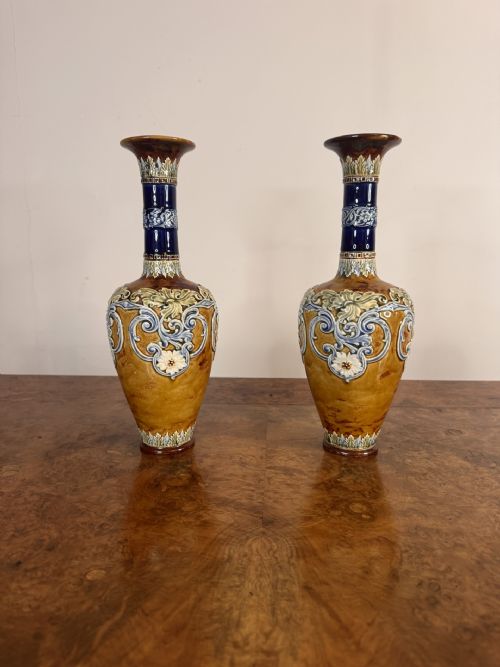

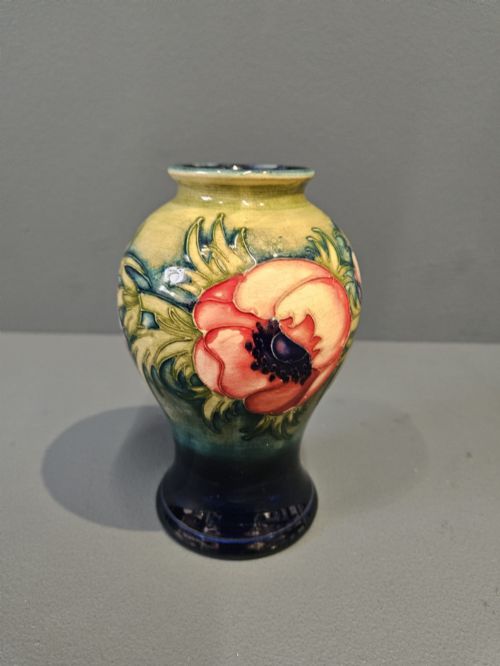
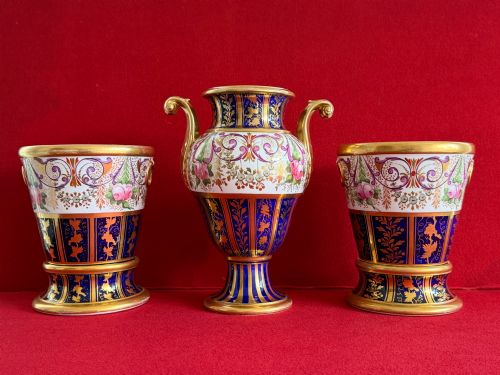

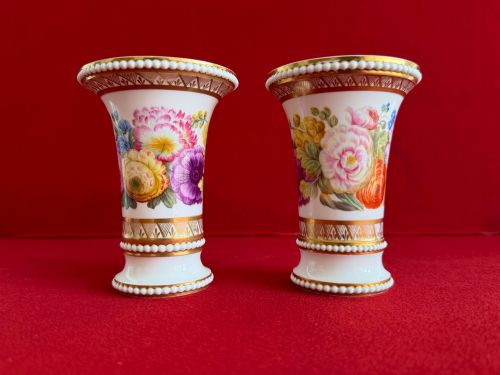
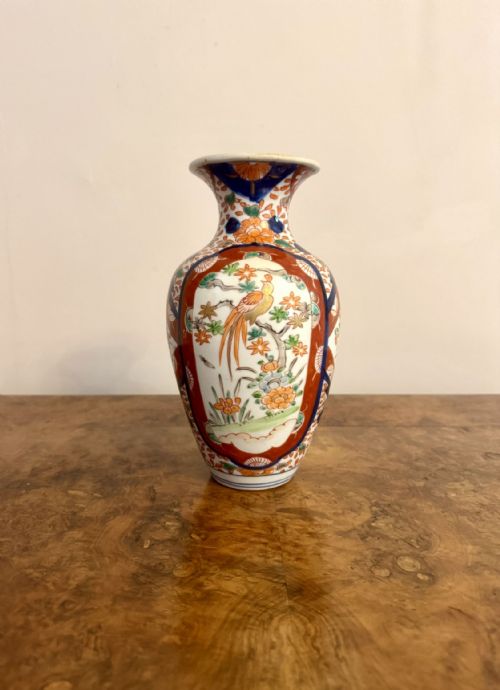

Decorated Ceramic Vase
A decorated ceramic vase brings colour and hand-painted artistry into a room, spanning delicate Georgian porcelain to bold Japanese Satsuma earthenware.
Decorated Ceramic Vase
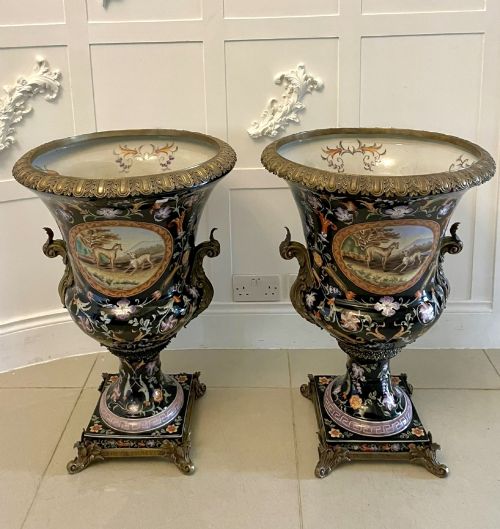
When searching for a decorated ceramic vase, a buyer encounters a diverse array of forms, including classical urns, spill vases, jardinières, and baluster shapes. The examples on this page span from late eighteenth-century Delft and early nineteenth-century English porcelain down through Victorian, Arts and Crafts, and Art Deco periods.
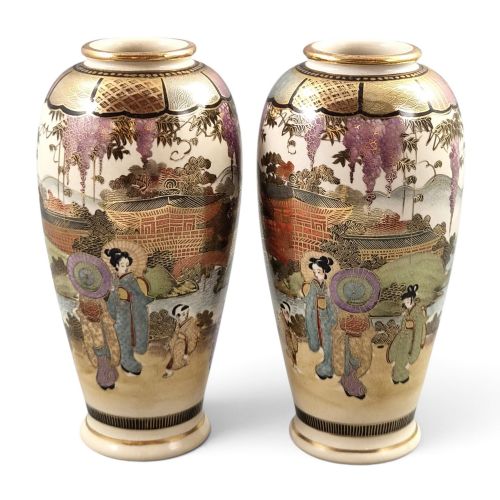
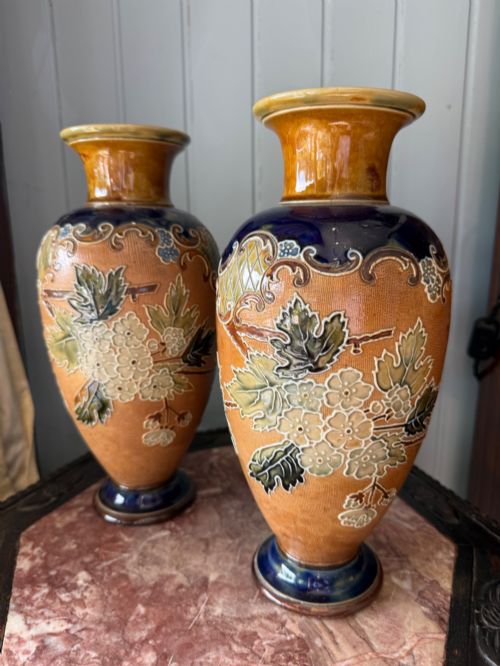
Most frequently, one meets nineteenth-century production alongside Japanese Meiji period ceramics, including Satsuma and Imari wares. European factories such as Minton, Spode, Royal Worcester, and Doulton are well represented alongside Asian works and continental potteries.
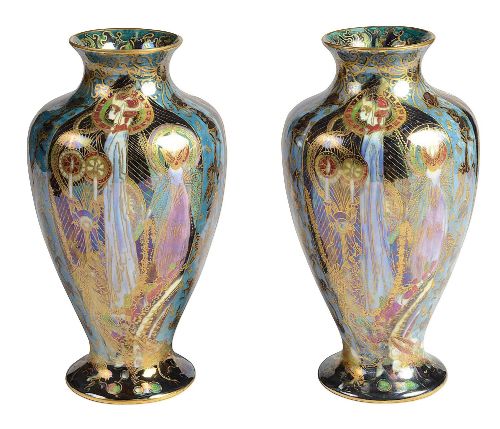
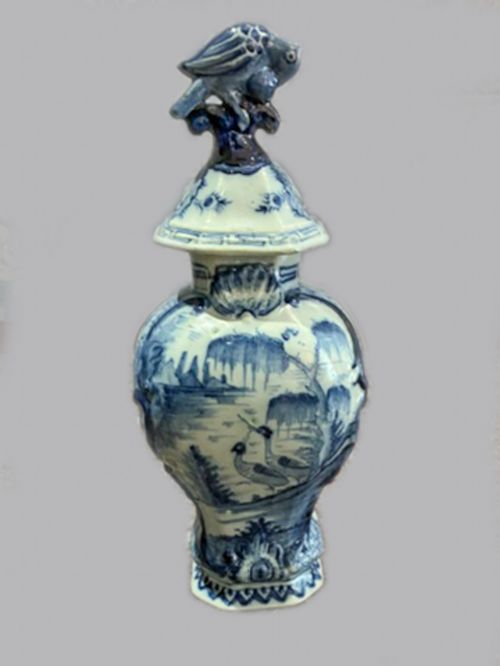
These vessels range from diminutive miniature tripods to monumental exhibition pieces, utilising varied bodies like earthenware, stoneware, and fine porcelain. Their surfaces carry hand-painted birds, figures, botanical studies, and complex geometric or gilt patterns.
How they were made
Makers utilised ceramic bodies including earthenware, stoneware, and porcelain, shaping them on the wheel or casting them in moulds to form baluster vases, jugs, and urns. Artisans then applied intricate glazes, enamel colours, and metallic highlights such as gold leaf and gilt.
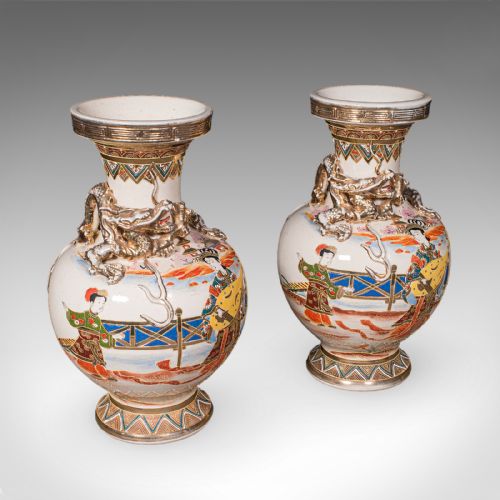
Decoration relied heavily on skilled hand-painting, with notable artists applying detailed bird studies, portraits, and figures directly onto the ceramic surface before or after firing. Techniques like moriage built up raised enamel designs, while salt glazing and specialised lustre treatments created distinctive textured or iridescent finishes on stoneware and porcelain.
Decorated Ceramic Vase Retail Price Guide 2026
Typical asking prices for decorated ceramic vase among the pieces listed under this phrase on Sellingantiques today, from the lower quarter to the upper quarter. They describe what is for sale here now, not the wider market.
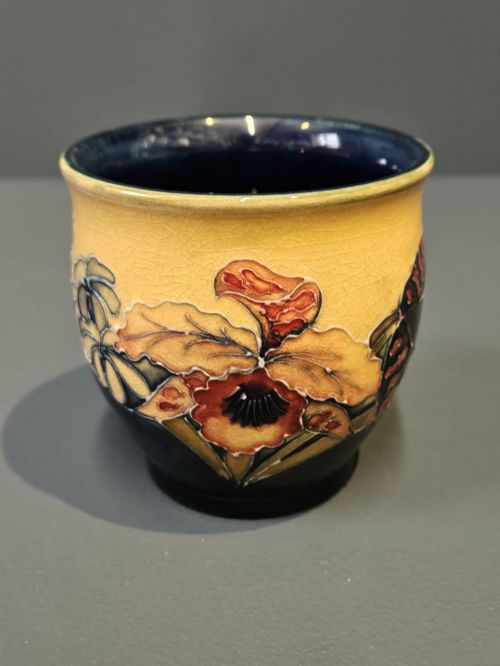
A striking yellow top orchid vase sits alongside whimsical three-dolphin bases, proving that historic ceramicists possessed a wonderfully playful imagination.
What varies in quality
Quality rests significantly upon the skill of the artist and the prestige of the maker or studio behind the piece. Hand-painted works by named decorators exhibit a finer execution of detail than standard factory output.
The sophistication of the glaze, the crispness of moulded or applied details like moriage and brass mounts, and the preservation of delicate gold leaf and enamel determine the standing of an individual vessel.
Thomas Steel·Shozan Satsuma·Makuzu Kozan II·Christopher Dresser·Emma Shute·Sir Edmund Harry Elton·James Stinton·Choshuzan·Jissei·Yoshisada·Kinkozan·Doulton Slater·Emily Stormer·Ernst Wahliss·Bernhard Bloch·Thomas Allen·C Baldwyn·Daisy Makeig Jones
The Decorated Ceramic Vase Glossary
- Satsuma
- A type of Japanese earthenware featuring a characteristic ivory-coloured, crackle-glazed body typically decorated with polychrome enamels and gilt. It gained immense popularity during the Meiji period.
- Garniture
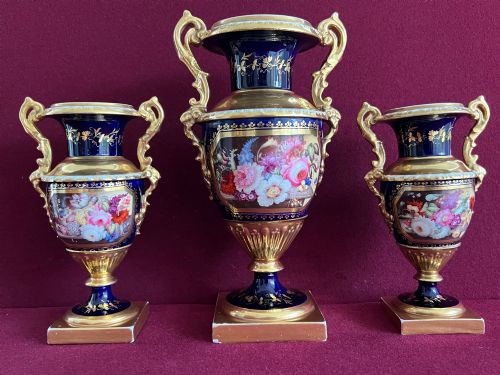
- A set of three or more matching vases or urns designed to be displayed together on a mantelpiece or sideboard. These sets often feature a central taller vase flanked by matching pairs.
- Moriage
- A Japanese ceramic technique where slip is piped onto the surface of a vessel to create raised, three-dimensional decorative patterns before painting and gilding. This method adds rich texture to Satsuma wares.
- Imari
- A traditional style of Japanese porcelain decorated in underglaze blue and overglaze red, green, and gold. European factories frequently copied these vibrant palettes during the eighteenth and nineteenth centuries.
- Spill vase
- A slender, upright vessel historically used to hold wooden spills for lighting candles or fires. These practical items developed into highly decorative ceramic ornaments on nineteenth-century mantelpieces.
Decorated Ceramic Vase: Frequently Asked Questions
How were antique vases used?
Historically, these vessels fulfilled varied roles in the home, functioning as table lamps, jardinières for indoor plants, or decorative mantel garnitures. Spill vases specifically held thin wooden tapers used to transfer flames from a hearth to candles.
Many larger examples were strictly ornamental, intended to showcase the wealth, taste, and artistic refinements of the owner through elaborate hand-painted scenes.
How do I live with antique ceramics?
Living with these pieces involves placing them securely away from high-traffic areas where accidental knocks might occur. Displaying them on stable surfaces allows their glazes and hand-painted details to catch natural light effectively.
Regular, gentle dusting with a soft brush keeps the surfaces clean without risking abrasion to delicate enamels, gold leaf, or raised moriage work.
How do I tell periods apart?
Distinguishing periods relies on observing stylistic markers, body compositions, and factory marks stamped or painted on the base. Regency and Georgian pieces often feature neoclassical forms and refined porcelain bodies, while Victorian and Arts and Crafts examples introduce bolder experimentations in glaze and texture.
Meiji period Japanese pieces display distinct cultural motifs, characteristic crackle glazes, and specific artist signatures that ground them within late nineteenth and early twentieth-century production.