










Deco Sculpture Figurine
These deco sculpture figurine works capture the dynamic energy and sleek stylisation of the interwar period, offering collectors striking centrepieces for the home.
Deco Sculpture Figurine
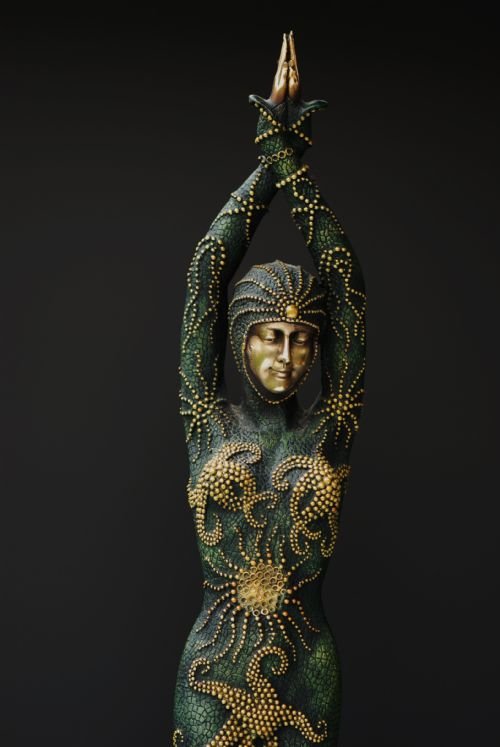
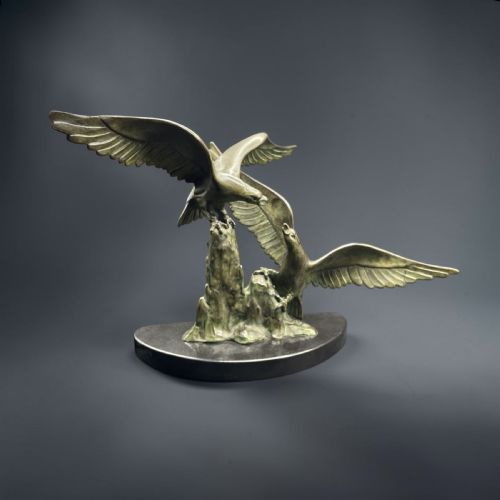
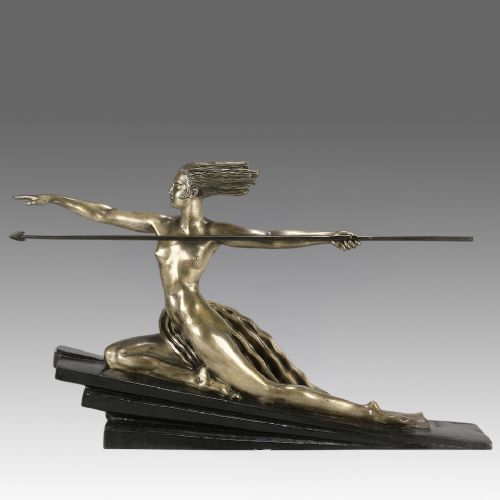
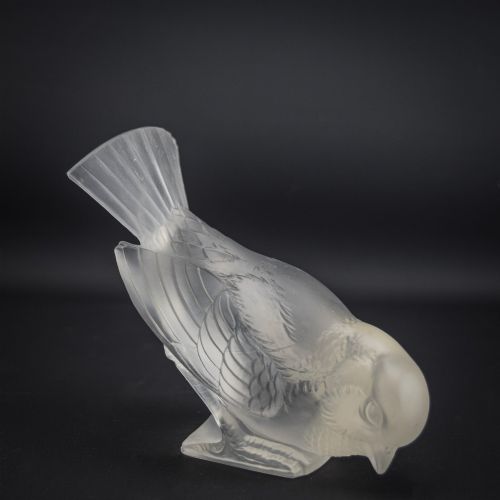
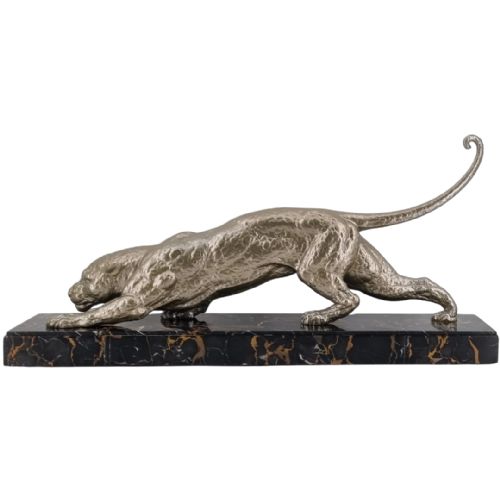
A deco sculpture figurine encompasses figurative and animalier works produced predominantly during the 1920s, 1930s, and 1940s, alongside select Edwardian precursors. Buyers searching this phrase most frequently encounter depictions of dancers, athletic figures, and animals such as whippets, panthers, and birds.
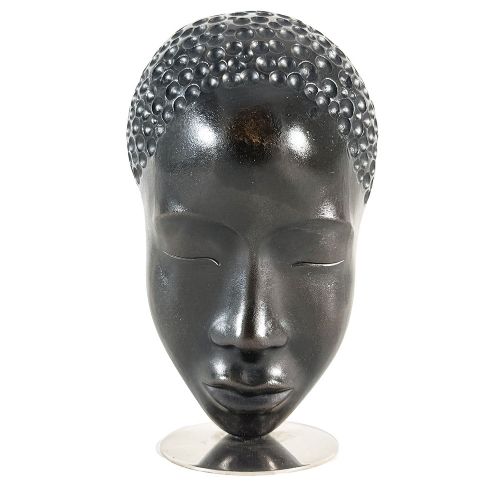
The objects span diverse forms including table lamps, paperweights, and portrait busts. Dancers and performers inspired by the ballets russes appear regularly, often mounted on contrasting stone bases.
Representations of wildlife reflect a fascination with speed and power, translating the forms of panthers, pheasants, and hounds into stylised silhouettes. These pieces embody the characteristic aesthetic of the art deco style.
Materials and Construction
Makers utilised bronze, spelter, and patinated metal for cast figures, frequently applying cold-painted polychrome finishes or silvering to enhance surface detail. Precious metals and gilt treatments highlight the garments and ornaments of dancers.
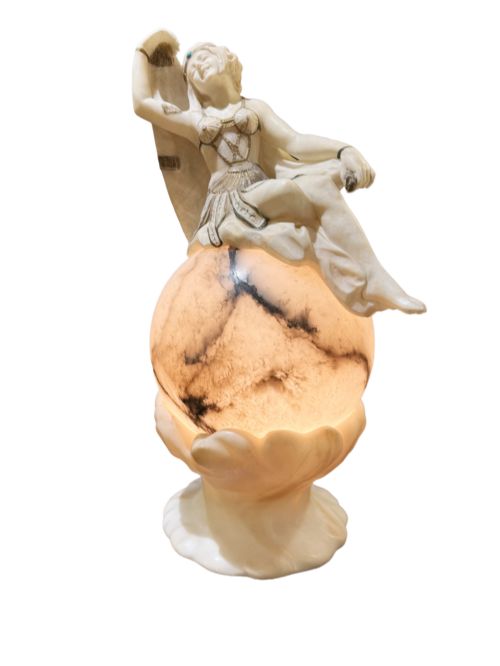
Foundations and pedestals rely heavily on heavy stones such as marble, onyx, and alabaster, providing structural stability and visual contrast to the metalwork. Glass and crystal production involved moulding and frosting techniques to achieve translucent textures.
Ceramic and pottery pieces utilise terracotta, earthenware, and stoneware bodies finished with glazes, capturing the organic textures of animal and human subjects during the art deco period.
Deco Sculpture Figurine Retail Price Guide 2026
Typical asking prices for deco sculpture figurine among the pieces listed under this phrase on Sellingantiques today, from the lower quarter to the upper quarter. They describe what is for sale here now, not the wider market.
Three cold-painted budgerigars sit perpetually perched on their leafy branch, refusing to fly away no matter how many art deco dancers pirouette nearby.
Distinctions in Quality
The refinement of the casting and the crispness of the chiselling separate standard production pieces from masterworks. Superior bronze and spelter casts retain intricate facial expressions and textile patterns without blurring.
The choice and integration of the base material indicate standard of manufacture. Fine pieces pair patinated or silvered metals with dense, polished marble or onyx plinths that complement the proportions of the sculpture.
Artistic attribution and signature placement heavily influence standing within the genre. Works bearing documented signatures from prominent sculptors demonstrate the pinnacle of period craftsmanship.
Ouillon Carrere·Lalique·Georges Gori·Lavroff·D. H. Chiparus·Jean de Roncourt·Hagenauer·Maurice Giraud-Rivière·Bruno Zach·Pierre Collinet·Josef Lorenzl·Alexandre Ouline·Aurore Onu·Charles Vyse·C J R Colinet·Berthe Savigny
The Deco Sculpture Figurine Glossary
- Spelter
- A zinc alloy commonly utilised as an economical alternative to bronze during the period. It accepts patination well but possesses a lighter weight and softer structure.
- Cold-painted
- A technique where paint is applied to metal sculptures without subsequent firing or heat treatment. This method allows for delicate polychrome details on garments and plumage.
- Alabaster
- A fine-grained mineral stone carved into smooth, translucent forms. It was frequently utilised for sculptural figures and lighting components due to its soft luminosity.
- Patinated metal
- Metal treated with chemical solutions to produce a coloured surface film. This process protects the underlying material while defining contours and shadows.
- Animalier
- A genre of fine art dedicated to the realistic or stylised representation of animals. These works capture creatures in motion, from hunting panthers to resting birds.
Deco Sculpture Figurine: Frequently Asked Questions
Where should I display these?
Place figures on stable, level surfaces away from direct sunlight and excessive moisture. Heavy marble bases require robust sideboards or mantelpieces to support their weight safely.
Ensure adequate clearance around dynamic compositions featuring outstretched limbs or extended wings to protect delicate extremities.
How are spelter and bronze told apart?
Bronze possesses a heavier density and a warmer resonance when lightly tapped, whereas spelter feels lighter and more brittle. Examining the underside often reveals the paler grey metal beneath a worn patina.
Spelter castings also tend to show softer edge definition in fine details compared to crisply chased bronze.
What periods do these pieces span?
The selection covers works primarily from the 1920s and 1930s, capturing the height of the art deco movement. Occasional Edwardian pieces and 1940s examples also appear within the genre.
Stylistic shifts reflect the transition from ornate early-century forms to streamlined modernist designs.