





Deco Bronze Ornament
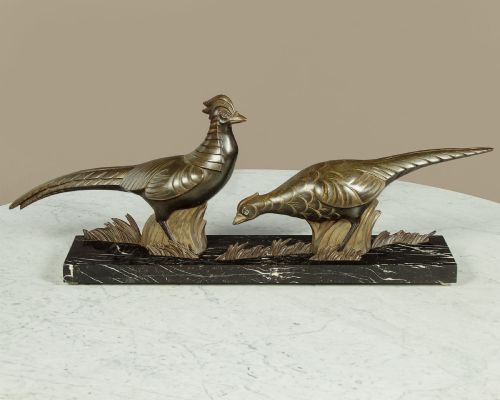
These pieces of deco bronze ornament bring movement and animal form into a room.
Deco Bronze Ornament
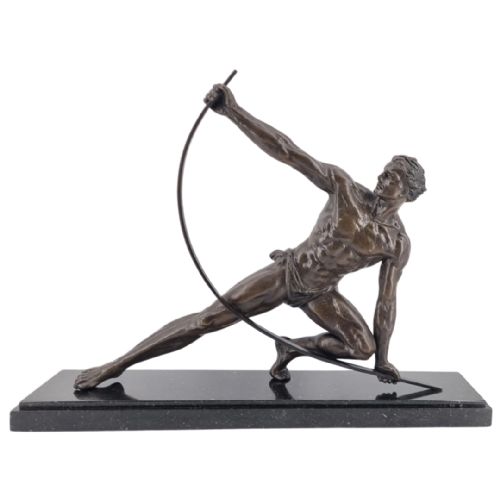
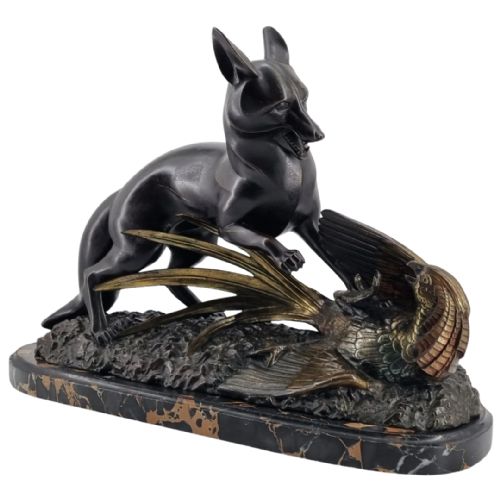
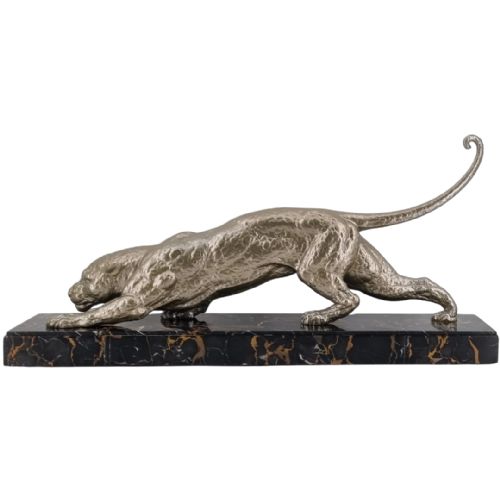
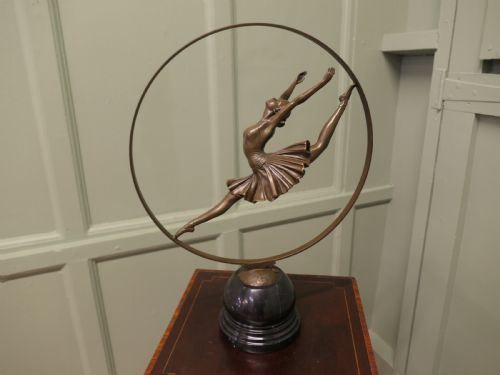
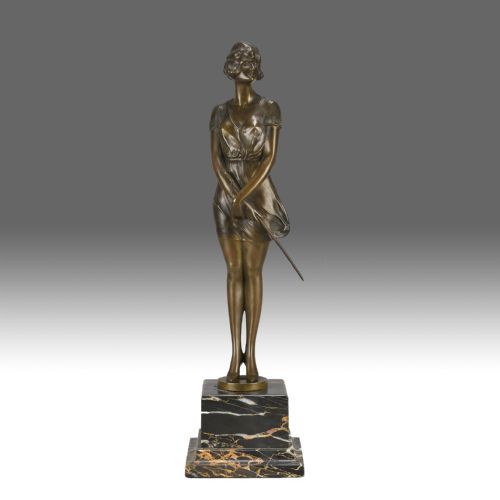
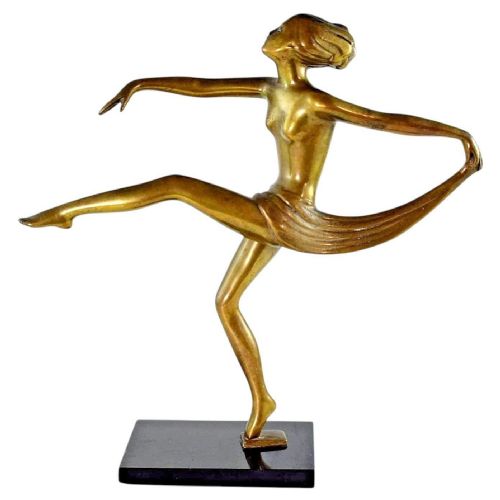
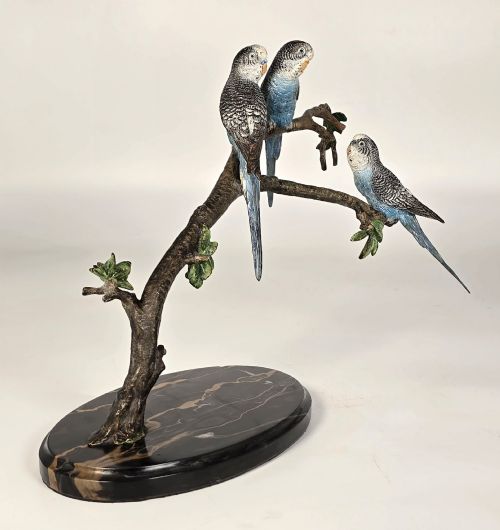
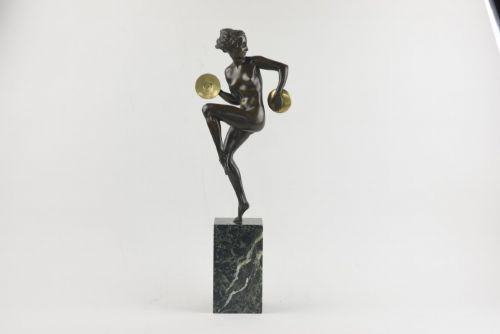
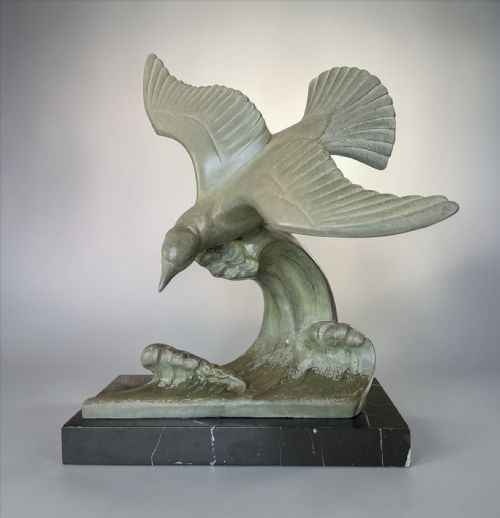
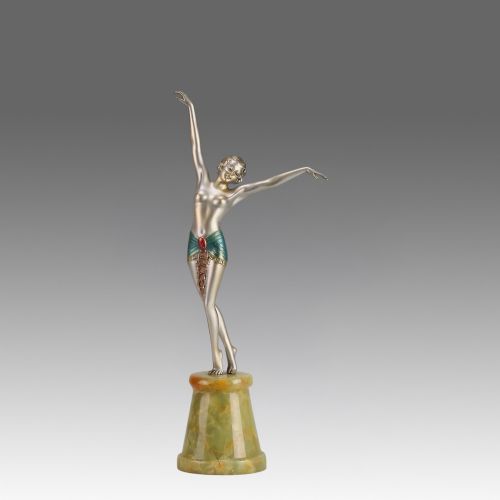
When you search for deco bronze ornament, you encounter figures of dancers, athletes, animals and birds from the early decades of the twentieth century. These objects capture motion, speed and agility through the lens of the interwar aesthetic.
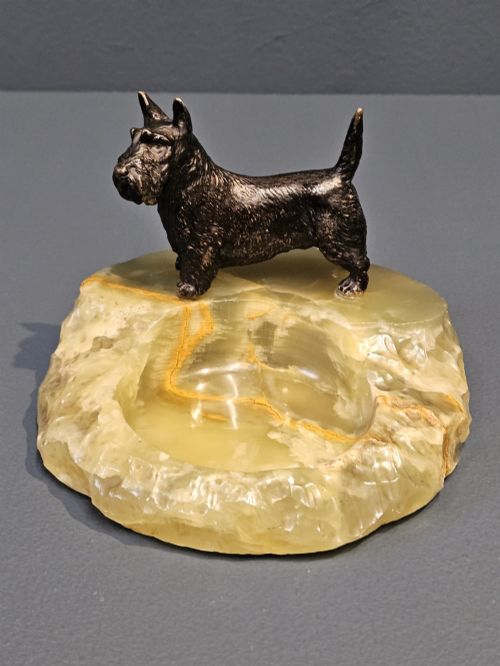
The most common examples on this page are human figures, particularly female dancers, alongside desk accessories and animal studies. Many of these sculptures combine metalwork with heavy stone bases.
Dating primarily from the 1920s and 1930s, these pieces reflect the stylistic shifts of the period towards sleek lines and stylised anatomy.
Materials and casting methods
Foundries produced these works using hot cast bronze, silvered bronze, cold-painted bronze and spelter. Spelter served as an economical alternative to bronze, while cold-painted surfaces introduced colour to the finished metal.
Sculptors mounted their figures upon bases of black marble or onyx to provide stability and visual contrast. These stone plinths formed an integral part of the overall design.
Makers applied patination techniques to alter the surface colour of the metal, creating tones ranging from deep brown to metallic highlights.
Deco Bronze Ornament Retail Price Guide 2026
Typical asking prices for deco bronze ornament among the pieces listed under this phrase on Sellingantiques today, from the lower quarter to the upper quarter. They describe what is for sale here now, not the wider market.
Materials recorded across the inventory include bronze, silvered bronze, spelter, patinated metal, marble and onyx.
Factors of distinction
The fidelity of the cold-painted or patinated surface influences the character of the piece. Surviving original pigment without touch-ups retains the intended visual balance of the maker.
The integration between the metal figure and its marble or onyx base distinguishes works by named artists from anonymous foundry output.
Lavroff·D. H. Chiparus·Jean de Roncourt·Pierre Collinet·Bruno Zach·Josef Lorenzl·Aurore Onu·Frederique Cederlund-Ozanne·P. Sega·Pierre Le Faguays
The Deco Bronze Ornament Glossary
- Spelter
- A zinc alloy frequently utilised as a substitute for bronze in interwar figures. It is lighter and softer than true bronze.
- Cold-painted bronze
- A technique where paint is applied to a cold metal surface rather than fired in a kiln. This finish requires careful handling to prevent flaking.
- Animalier
- A genre dedicated to the realistic or stylised representation of animals. These sculptures focus on creatures in motion.
- Patinated metal
- Metal treated with chemicals to produce a specific surface colour or aged effect. This process protects the underlying material while defining contours.
- Chryselephantine
- A term describing sculptures combining bronze with carved ivory. These works demand specific environmental conditions to preserve the organic material.
Deco Bronze Ornament: Frequently Asked Questions
How do I clean a bronze dancer?
Dust the surface gently with a soft, dry brush to remove particles without disturbing the patina. Avoid water, polish or chemical cleaners which can strip the finish.
For stone bases, wipe the marble or onyx with a damp cloth and dry immediately. Keep the piece away from direct heat sources and moisture.
What is the difference between bronze and spelter?
Bronze is an alloy of copper and tin that offers durability and takes a fine cast. Spelter is a zinc-based metal that is softer and lighter.
Spelter figures often show greater wear to the surface paint and lack the resonant weight of bronze.
Are these pieces signed?
Many examples bear the signature or foundry mark of the artist cast directly into the metal or inscribed on the base. Signatures typically appear near the feet of the figure or along the edge of the plinth.
Unsigned pieces remain common and were produced by anonymous workshops during the same period.
How were desk tidies used?
Desk tidies functioned as ornamental desktop accessories designed to hold pens, stamps or small stationery items. They combined a sculptural figure with a functional tray or dish.
Owners placed them in studies and offices as decorative items that served a practical purpose.